


Self-proclaimed civil rights attorney demands accountability from institutions while running from scrutiny of his own conduct.
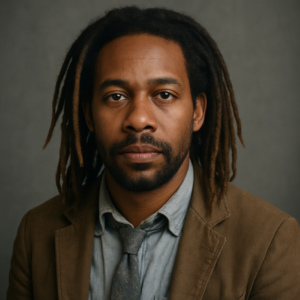

By Rick La Rivière and Richard Luthmann
(NEW YORK, NEW YORK) – Eric Sanders says he’s built a brand around one word: ethics. He presents himself as the righteous lawyer, the civil-rights crusader, the man who arrives with cameras rolling and accusations flying.
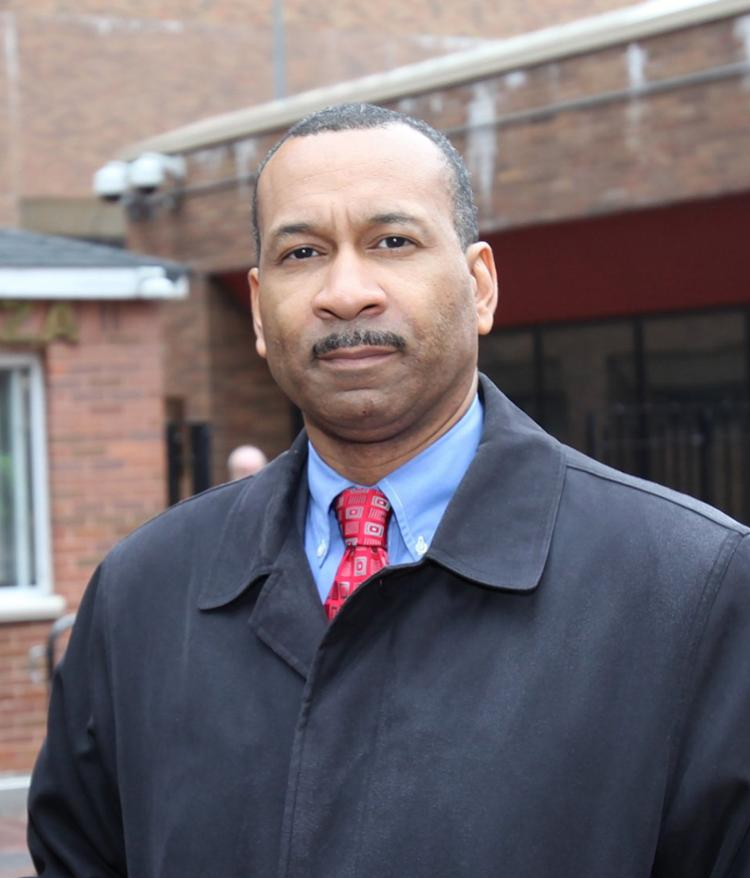
He regularly appears on The Sal Greco Show, lecturing institutions about misconduct, retaliation and abuse.
Then the record shows up.
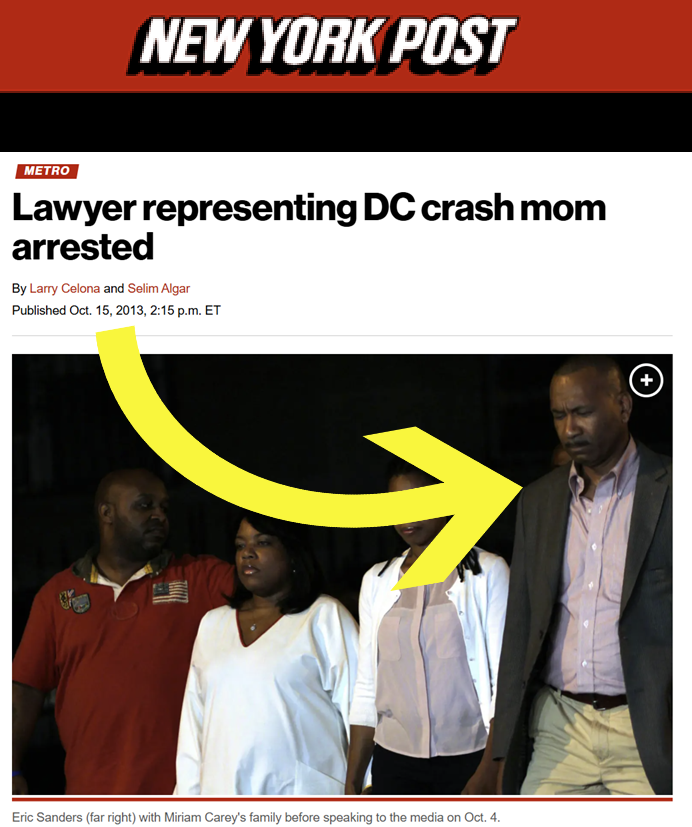
Published reporting has documented Sanders’ own history of disciplinary trouble, bankruptcy litigation, civil contempt and a pregnancy-discrimination and retaliation judgment involving a former employee. A federal judge reportedly ordered him jailed after repeated noncompliance in proceedings tied to collection of that award.
Sanders objects to calling that an arrest.
Of course he does. He calls everything he dislikes a smear.
Lawyers love word games when the facts become inconvenient. “Taken into custody.” “Committed.” “Civil confinement.” Pick the euphemism. Federal authorities took him from his home and put him in jail.
The public does not need a law-school seminar to understand what happened.
Sanders’ repeated insistence that he was never “arrested,” despite reports that federal authorities took him into custody and jailed him pursuant to a civil-contempt order, raises a serious Rule 8.4 question.
New York Rule of Professional Conduct 8.4(c) prohibits lawyers from engaging in conduct involving “dishonesty, fraud, deceit or misrepresentation,” while Rule 8.4(h) reaches conduct that adversely reflects on a lawyer’s fitness.
If Sanders knowingly presents a materially false version of his arrest and confinement to reporters or the public—not merely a defensible technical distinction—his wordplay could look less like advocacy and more like professional misrepresentation.
Whether discipline is warranted belongs to the appropriate grievance authority, but an attorney who sells ethics while publicly distorting a documented custodial episode is inviting scrutiny under the very rules he expects others to obey.

Sanders also rejects the label “ambulance chaser.” That denial has all the credibility of a siren insisting it is merely background music.
No lawyer advertises himself as an ambulance chaser. The label comes from the pattern: scandal breaks, cameras gather, lawsuits loom, and suddenly Eric Sanders is standing at the microphone selling himself as the conscience of New York.
That is why the satire jingle works. The sirens are not decoration. They are the point.
They follow the lawyer who calls himself ethical while ducking his own record. They follow the lawyer who wants every accusation against others treated as sacred truth, while every documented fact about him becomes an unfair attack.
Sanders is free to represent controversial clients. He is free to dispute reporting. He is free to deny every label thrown at him.
He is not entitled to a scrubbed biography.
A lawyer who weaponizes ethics must expect his own conduct to be examined. A civil-rights attorney with a discrimination judgment in his past does not get to order the press to look away. A public figure who makes morality part of his sales pitch does not get immunity from scrutiny.
That is not harassment.
That is journalism.
About The Author
