


Epps Lawyer In Maddrey Witch-Hunt Has His Own Troubled File
LUTHMANN NOTE: Eric Sanders wants the public to see him as the civil-rights hammer in Jeffrey Maddrey’s grand scandal. But the hammer looks bent, and after eighteen-plus months the scandal looks stale. Sanders is trying to sell Quathisha Epps as the clean victim in a case already drowning in overtime questions, payroll smoke, and credibility problems. Meanwhile, Sanders’ own file reads like an opposition researcher’s starter kit: NYPD discipline, reported arrest, bankruptcy, contempt, and a pregnancy-discrimination and retaliation award involving a former employee. That is not legal strength. That is weakness in a suit. Sanders looks less like a feared advocate and more like an ineffective damage-control ambulance chaser trying to roll his own baggage past the jury box before anyone notices. This piece is “Maddrey Accuser’s Lawyer Exposed.”



By Rick LaRivière and M. Thomas Nast with Richard Luthmann
The Lawyer For The Troubled Accuser Comes With Baggage
(NEW YORK, NEW YORK) – The Jeffrey Maddrey story has been sold to the public as a clean NYPD morality play. Powerful chief. Helpless subordinate. Sex-for-overtime scandal. Federal raid. Forced resignation. Cue the media orchestra.

But the case was never that clean. And after over eighteen months of a very public federal investigation into Maddrey, no charges have been laid.
At the center of the controversy stands former NYPD Lt. Quathisha Epps, the administrative officer in Maddrey’s office who became the highest-paid employee in the department while sitting inside the orbit of the chief of department.
Around her sits a massive overtime cloud.

Beside her stands attorney Eric Sanders, a former NYPD officer turned civil-rights lawyer who now presents Epps as the victim of sexual coercion, retaliation, and institutional abuse.
That is the public pitch. The record is messier.
Sanders is not just a courtroom technician quietly filing papers. He is part of the public narrative. He speaks for Epps. He frames the overtime scandal as retaliation. He attacks the NYPD machine. He asks the public to trust his client’s claims and to view the payroll issue as a distraction from the real misconduct.
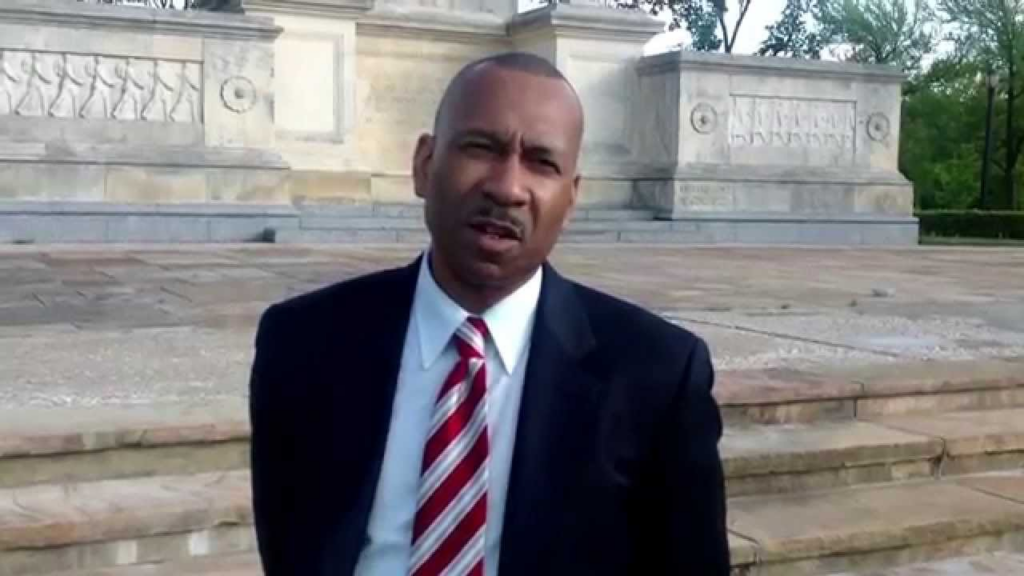
That makes Sanders’ own record fair game. And his record has problems.
Sanders has a confirmed history of NYPD disciplinary action. According to the New York Post, he was arrested in 2013 and jailed on civil contempt. Bankruptcy records and the Post’s reporting place him in a bankruptcy fight while a former employee was trying to collect a discrimination award against him. That former employee’s case was not some ordinary fee dispute or business disagreement. It was a pregnancy-discrimination and retaliation matter.
That silence matters. Because when a lawyer helps drive a public takedown of a former NYPD chief, his own credibility does not get immunity.
Maddrey Accuser’s Lawyer Exposed: Quathisha Epps Was Never A Normal Whistleblower
Before Quathisha Epps became the face of the Maddrey scandal, she was already the face of another scandal: astronomical overtime inside the NYPD.
Epps was not working dangerous midnight tours in East New York. She was not chasing guns in the Bronx. She was not grinding in a violent precinct with endless mandatory tours. She held an administrative role inside Maddrey’s office.

Yet public reporting placed her total fiscal-year compensation above $400,000, including more than $200,000 in overtime. That made her the highest-paid employee in the entire NYPD.
That fact alone should have triggered hard questions. The highest-paid employee in America’s largest police department was not the commissioner, not the chief of department, not a detective commander, not a street-crime boss, and not a precinct commander drowning in chaos. It was Lt. Quathisha Epps, working inside headquarters.
Then came the Internal Affairs scrutiny. Reports said investigators were looking into whether Epps’ overtime was legitimate, whether she worked the hours claimed, whether slips were backdated, whether approvals were rubber-stamped, whether she signed off on her own time, and whether she arrived late, left early, or failed to appear while collecting overtime.
Epps then claimed the overtime scrutiny was retaliation tied to her allegations against Maddrey. That may be her position. It does not erase the payroll problem. It makes the timeline central.
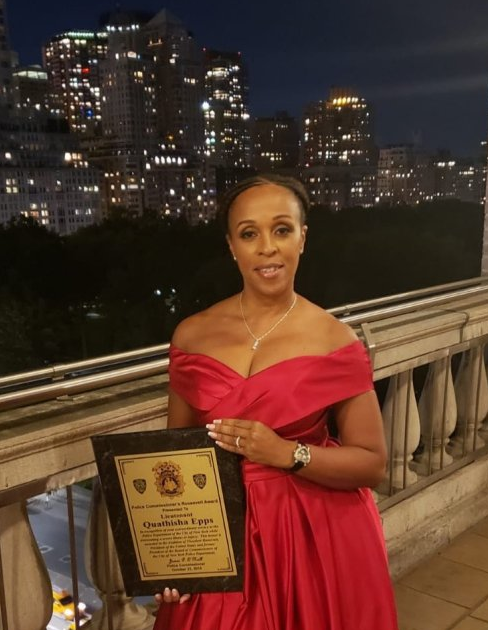
A person can be a real victim and still have credibility problems. A person can make serious allegations and still be under legitimate scrutiny. A person can accuse a powerful boss and still have to answer for public money.
The media’s mistake has been treating Epps as a one-dimensional whistleblower rather than a complicated figure in a complicated scandal. The public deserves the full picture, not the press-release version.
Maddrey Accuser’s Lawyer Exposed: The Overtime Cloud Is The Heart Of The Case
The overtime issue is not a side plot. It is the heart of the Maddrey-Epps fight. Epps alleges Maddrey used power, sex, overtime, and retaliation as tools of control. Her allegations are explosive. If true, they describe predatory command abuse at the top of the NYPD and a culture willing to turn payroll into private currency. Those claims deserve investigation.
But Maddrey has denied coercion and sexual misconduct. Through counsel, he has reportedly characterized the relationship with Epps as consensual and rejected the sex-for-overtime narrative. His side argues that Epps’ allegations emerged as her own overtime exposure intensified. That is not a minor factual dispute. That is the collision point of the case.
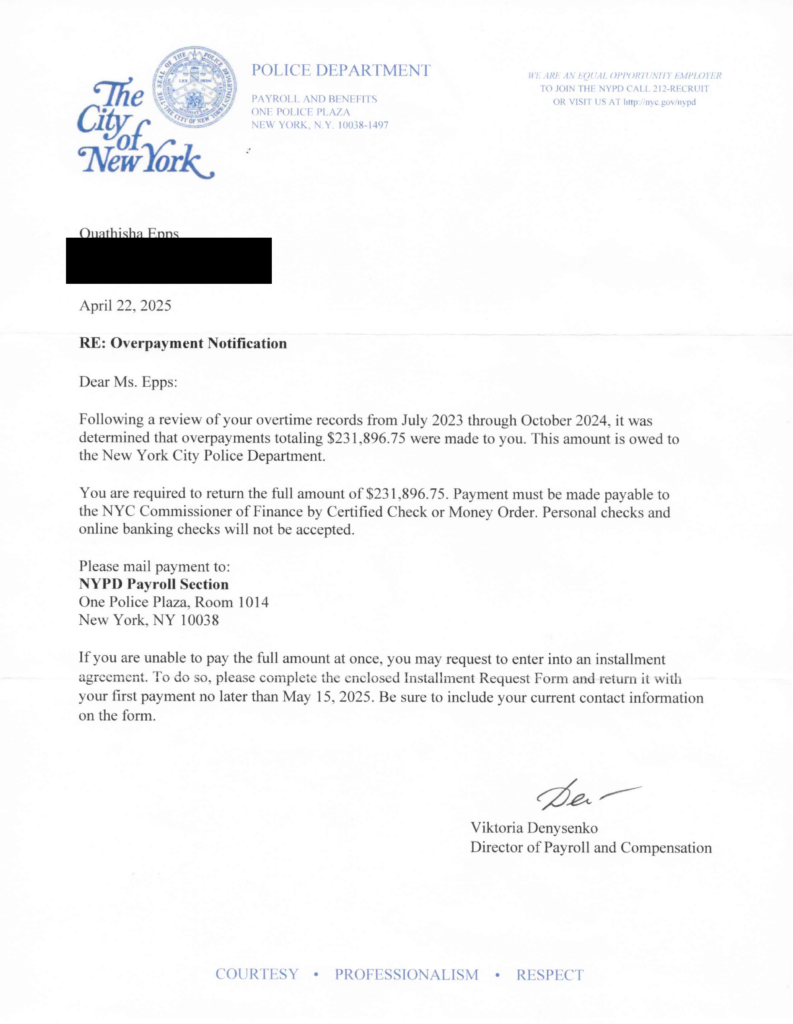
The NYPD moved to claw back more than $231,000 in overtime from Epps. Epps and Sanders call the move retaliatory. The department’s side treats the money as compensation for work not performed.
Those two stories cannot be reconciled by slogans. Somebody is selling the public a distorted version. The press should not pretend otherwise.
If Maddrey coerced Epps, it would be a major scandal. If Epps collected overtime she did not earn, that is also a major scandal. If Maddrey enabled or approved inflated overtime as part of a personal relationship, that is an even bigger scandal. If Epps used sex-harassment claims to reframe payroll exposure, that would be a scandal too.
And if pieces of all of it are true, then One Police Plaza has a rot problem deeper than any single headline.
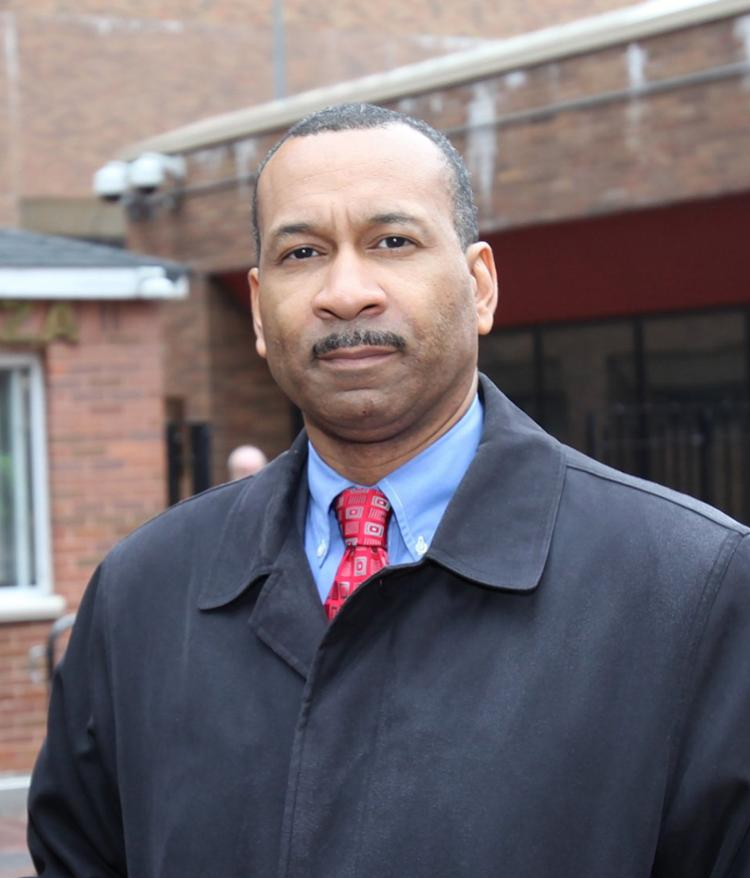
That is why Sanders’ role matters. He is not merely defending a client in private. He is helping frame the public’s understanding of the case.
And the public has a right to know whether the man selling the morality play has his own credibility baggage.
Maddrey Accuser’s Lawyer Exposed: Sanders’ Civil-Rights Brand Meets The Mary Rocco Problem
Eric Sanders’ professional brand is built for this kind of fight. He markets himself as a civil-rights and employment lawyer, a former police officer, and an advocate against discrimination, retaliation, sexual harassment, and institutional misconduct. On paper, that makes him the perfect lawyer for Quathisha Epps.
But the Mary Rocco matter cuts directly against that brand.

According to a 2013 New York Post report by Larry Celona and Selim Algar, Sanders was arrested at his Melville, Long Island home after a federal bankruptcy judge had enough of missed court dates and failure to make required payments. The Post reported that Sanders had been found liable for retaliating against and firing former employee Mary Rocco because she was pregnant.
Read that twice.
The civil-rights lawyer. The discrimination lawyer. The workplace-retaliation lawyer. The lawyer now publicly advancing claims of workplace coercion and retaliation against Jeffrey Maddrey. According to the Post, he was himself found liable in a pregnancy-discrimination and retaliation matter brought by his own former employee.
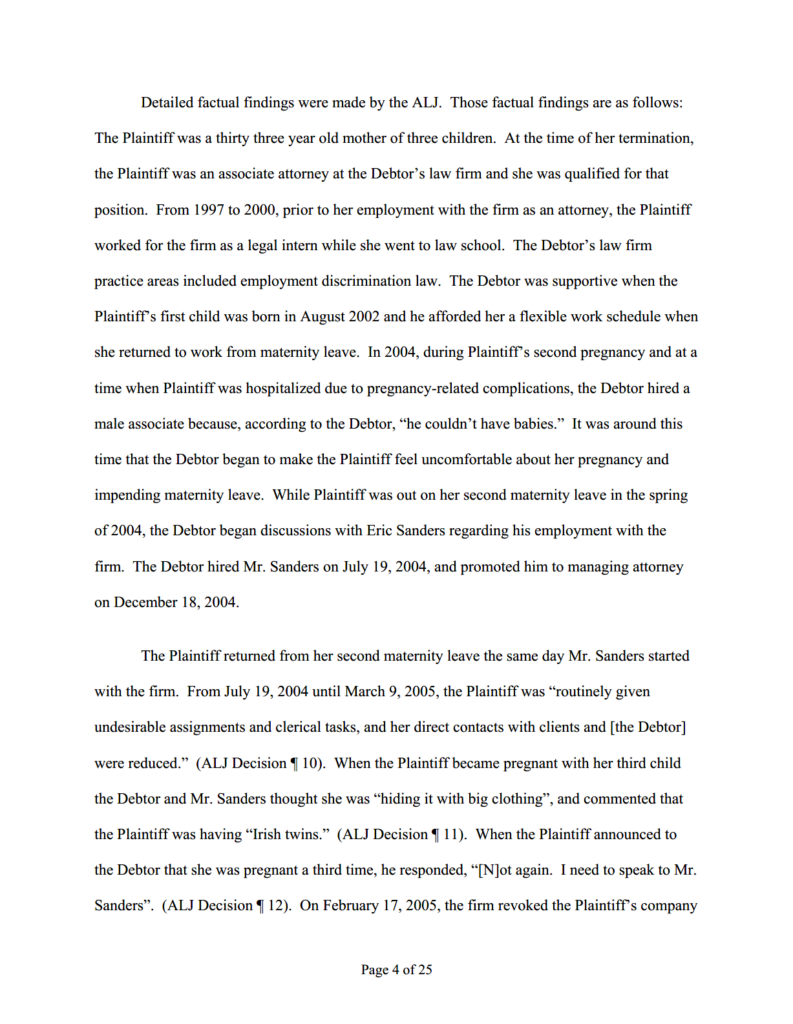
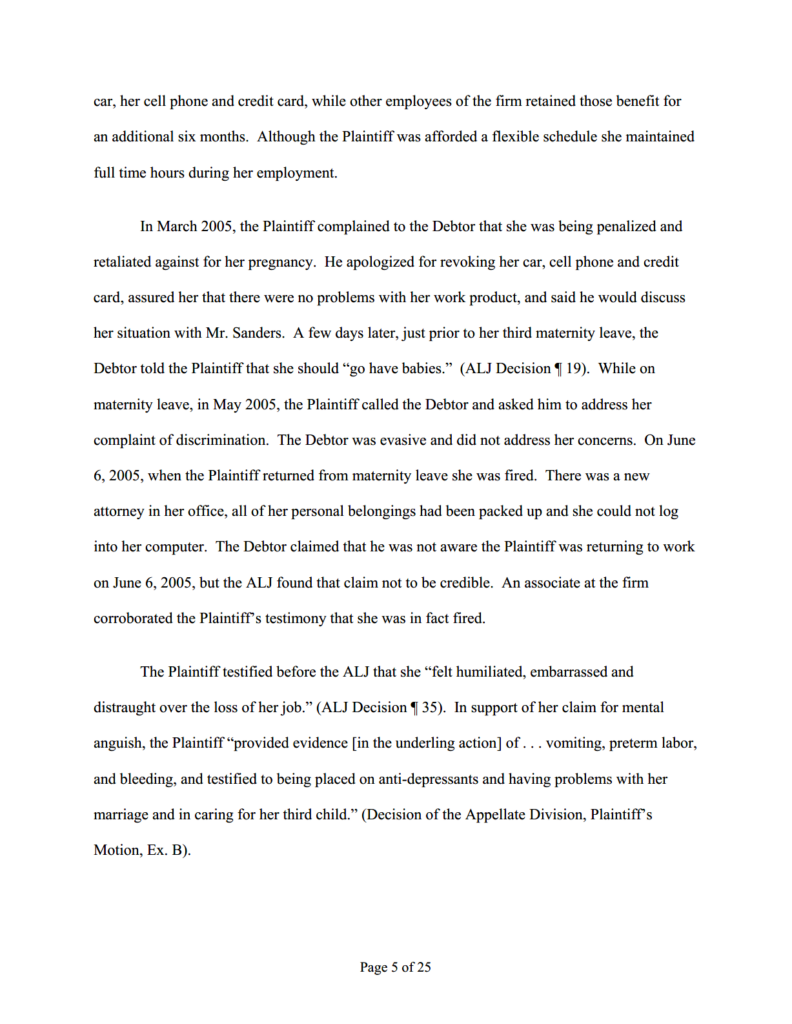
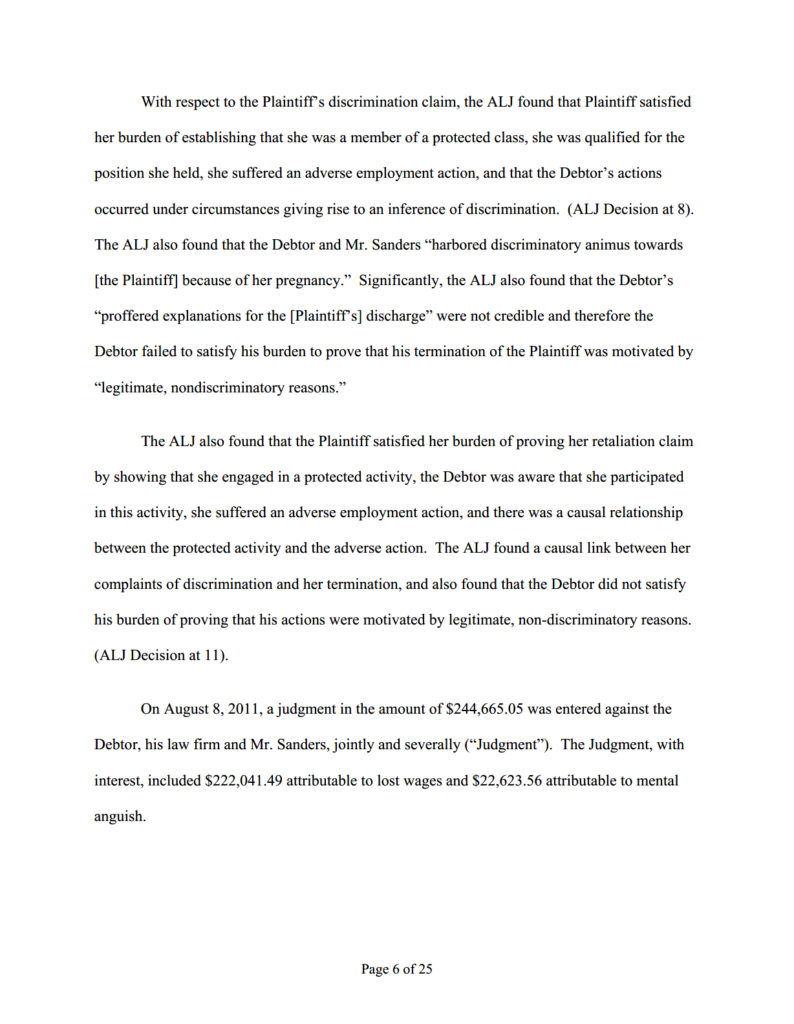
The reported facts are ugly. The state Division of Human Rights found that Sanders and his partner wrongfully discriminated against Rocco and awarded her $175,000 in 2010. The Post reported that an appellate court upheld the ruling in 2011, but that Rocco still had not been paid by 2013.
Rocco’s attorney described the “terrible irony” of Sanders publicly holding himself out as a civil-rights champion while being found liable for violating his employee’s civil rights.
That is not a footnote. That is a credibility crater.
Sanders was asked to address whether the award was entered, whether it was upheld, whether Rocco was paid, reasons for the delay, whether the contempt order was reversed, and whether the judgment was satisfied. He did not provide answers for publication.
Maddrey Accuser’s Lawyer Exposed: Arrest, Bankruptcy, Contempt, And The Unanswered Questions
The Sanders issue is not merely that he once had a bad employment case. It is the reported sequence that makes the matter newsworthy. A former employee wins a discrimination award. The award is reportedly upheld. Collection efforts follow. Sanders reportedly files for bankruptcy. A federal bankruptcy judge reportedly orders him jailed on civil contempt until payment is made.
That sequence collides violently with Sanders’ public brand.
The Post reported that after Sanders boasted to a newspaper about securing a $500,000 settlement in another matter, Rocco’s attorney moved to seize Sanders’ portion. Sanders then filed for bankruptcy, claiming he could not pay despite reported law-firm income and an NYPD pension.

U.S. Bankruptcy Judge Dorothy Eisenberg reportedly ordered him jailed on civil contempt until he paid $181,666, with interest still owed to Rocco. He was held in jail for six days for noncompliance with court orders.
Those facts are directly relevant to the public’s assessment of Sanders’ role in the Epps case.
A lawyer who has reportedly been jailed on civil contempt over an unpaid discrimination award does not get to stroll into a sex-harassment controversy wearing an untouched civil-rights cape.
A lawyer who reportedly filed bankruptcy while a former employee chased a pregnancy-discrimination judgment does not get automatic moral authority when he calls another institution abusive.
A lawyer who builds his business suing over discrimination and retaliation must expect scrutiny when an adverse discrimination-and-retaliation history surfaces in his own file.
If Sanders contends the bankruptcy was merely a legal strategy, that still does not end the inquiry. The public question is whether the filing delayed or frustrated collection of a civil-rights award owed to a former employee. A strategic bankruptcy can still be newsworthy when the strategist is a civil-rights lawyer whose own former employee was chasing a discrimination judgment.
Moreover, if Sanders later points to the absence of attorney-discipline sanctions, that does not erase the public-record issue. A grievance committee decision declining professional discipline is not the same as a finding that the underlying events never happened.
It does not vacate a discrimination award. It does not reverse a contempt order. It does not answer whether Rocco was paid promptly. It means only that the disciplinary body did not impose lawyer discipline.
Sanders was asked whether he disputes the Post’s reporting, whether the bankruptcy filing followed collection efforts, whether the contempt order was vacated, and whether the Rocco judgment was ultimately satisfied. He did not answer for publication.
That omission does not prove guilt beyond the record. But it leaves the public-record questions standing.
Maddrey Accuser’s Lawyer Exposed: Sanders’ Own NYPD Discipline Also Belongs In The File
The Rocco matter is the largest Sanders credibility problem, but it is not the only one. Sanders also has confirmed NYPD discipline in his past.
In Matter of Sanders v. Safir, the Appellate Division, First Department confirmed an NYPD disciplinary determination against Sanders, then a police officer. The charge was discourtesy to a police sergeant. The penalty was forfeiture of 15 vacation days. The appellate court found substantial evidence supported the determination, including corroborating testimony from police officers, and held that the penalty did not shock the court’s sense of fairness.
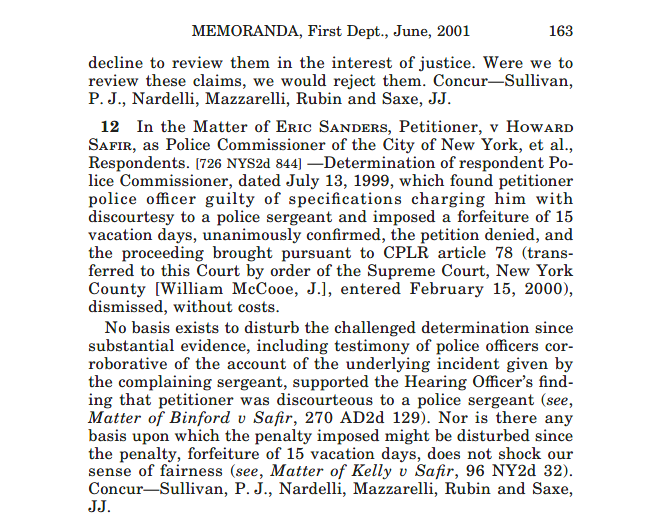
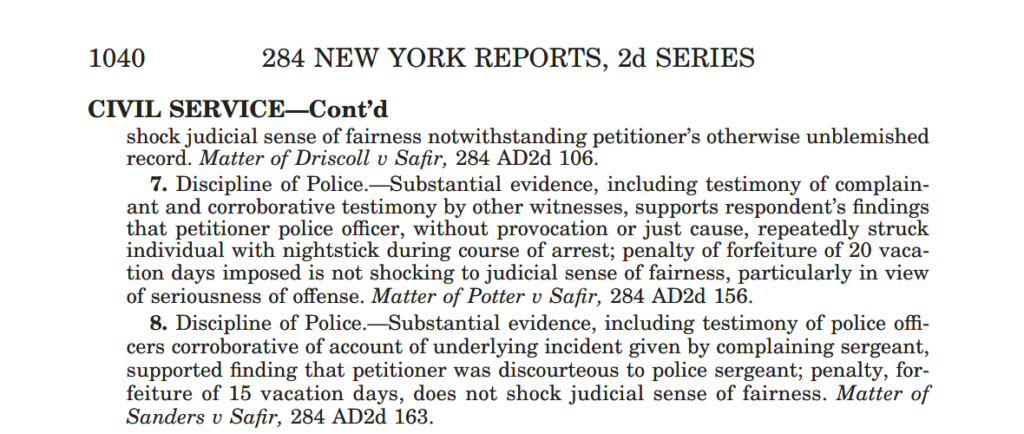
That is not anonymous gossip. It is not a whisper from police headquarters. It is an appellate decision confirming an NYPD internal disciplinary finding.
Is discourtesy to a sergeant the worst misconduct ever committed by a police officer? Of course not. But the issue is not severity in isolation. The issue is credibility and public posture.
Sanders sells his NYPD background as part of his authority. He presents himself as a man who understands the department, its discipline machinery, its power structure, and its retaliation culture. Fine. Then the full record comes in, not just the flattering pieces.
Before Sanders became a professional critic of NYPD discipline, he had his own NYPD discipline affirmed by the courts. That does not disqualify him from representing Epps. It does not make Maddrey innocent. It does not prove Epps wrong. But it does complicate the righteous posture Sanders now assumes in public.
Sanders was asked whether he disputes that the case concerned him and whether he contends the disciplinary finding was wrong. He did not provide a response for inclusion.
Again, the silence leaves the court record to speak for itself.
Maddrey Accuser’s Lawyer Exposed: Sanders Fails to Respond
Attorney Sanders was given an opportunity to respond to detailed questions about these issues before publication. He did not provide a response for inclusion. Here is what we asked:
From: Rick LaRivière <RickLaRiviere@proton.me>
Date: On Monday, June 29th, 2026 at 1:40 PM
Subject: Media Inquiry: Eric Sanders, Quathisha Epps, Jeffrey Maddrey, and Prior Adverse Records
To: esanders@thesandersfirmpc.com <esanders@thesandersfirmpc.com>
CC: RALafontaine@protonmail.com, ralafontaine@protonmail.com, frankparlato@gmail.com, frankiepressman@protonmail.com, mvolpe998@gmail.com, mthomasnast@protonmail.com, richard.luthmann@protonmail.com, richard@nynewspress.com, rluthmann@flgulfnews.com, Joey@YourDaddyJoey.news, joey@yourdaddyjoey.news, joey@joeycamp2020.com, joeycamp2020@gmail.com
Attorney Sanders,
We are independent journalists preparing a news article for publication concerning your representation of former NYPD Lt. Quathisha Epps in connection with her allegations against former NYPD Chief of Department Jeffrey Maddrey, the related NYPD overtime controversy, and the federal investigation that has followed.
Because this story involves serious public allegations, substantial public money, the leadership of the NYPD, and your public role as counsel for Lt. Epps, we are giving you a full and fair opportunity to respond before publication.
The working premise of the article is straightforward: the lawyer publicly advancing the claims of a troubled and heavily scrutinized NYPD complainant has his own significant history of adverse public records, including NYPD discipline, a pregnancy-discrimination/retaliation matter involving a former employee, bankruptcy proceedings, contempt, and arrest reporting.
We invite your response to the following.
First, your client, Quathisha Epps, was publicly reported as the NYPD’s highest-paid employee in fiscal year 2024, earning more than $400,000, including more than $200,000 in overtime, while working in an administrative role in Chief Maddrey’s office. The reporting further states that she was under Internal Affairs scrutiny over her overtime, was suspended without pay, retired early, and that the NYPD later sought to claw back more than $231,000 in overtime.
Please state your position on whether Lt. Epps actually worked all overtime hours for which she was paid. If you contend she did, please provide any records, timesheets, assignments, supervisor approvals, electronic access logs, calendar records, or other documentation supporting that position.
Second, please explain the timing of Lt. Epps’ sexual-harassment and retaliation claims in relation to the NYPD’s scrutiny of her overtime. Did Lt. Epps make any formal internal complaint against Chief Maddrey before the overtime investigation began? If so, please identify when, to whom, and in what form. If not, please explain why the public should not view the allegations as intertwined with the overtime investigation and potential clawback exposure.
Third, Chief Maddrey has reportedly denied coercion and characterized the relationship with Lt. Epps as consensual. Please state whether your client denies any consensual romantic or sexual relationship with Chief Maddrey. If she alleges that any relationship was coerced, please identify when the coercion began, when she first documented it, and whether she continued receiving overtime approvals during the alleged period of coercion.
Fourth, we are also examining your own public credibility as a central figure in the story.
In Matter of Sanders v. Safir, reported at 726 N.Y.S.2d 844, the Appellate Division, First Department confirmed an NYPD disciplinary determination finding you guilty of discourtesy to a police sergeant and upholding a penalty of forfeiture of 15 vacation days. Do you dispute that this case concerned you? Do you contend the disciplinary finding was wrong? Please provide any explanation you wish to include.
Fifth, the New York Post reported on October 15, 2013, in an article by Larry Celona and Selim Algar titled “Lawyer representing DC crash mom arrested,” that you were arrested at your Melville, Long Island home after a federal bankruptcy judge held you in civil contempt in connection with failure to make mandated payments to former employee Mary Rocco.
The Post reported that Rocco had prevailed in a pregnancy-discrimination and retaliation matter against you and your partner, that the New York State Division of Human Rights awarded her $175,000 in 2010, that an appellate court upheld the ruling in 2011, and that she still had not been paid at the time of the article.
Please state whether you dispute any portion of that reporting.
Sixth, the same Post report quoted Rocco’s attorney, Tracey Bernstein, as saying: “The terrible irony here is that Sanders holds himself out publicly as a champion of civil rights and yet was found liable for violating my client’s civil rights and has refused to honor the judgment against him.”
Please provide your response to that statement.
Seventh, the Post further reported that after you allegedly boasted to a newspaper about scoring a $500,000 settlement in another case, Bernstein moved to seize your portion of that settlement, and that you then filed for bankruptcy while claiming that, despite a reported NYPD pension and monthly law-firm income, you were unable to pay Rocco. Please state whether that reporting is accurate. If you dispute it, please provide the specific correction.
Eighth, the Post reported that U.S. Bankruptcy Judge Dorothy Eisenberg ordered that you remain jailed on civil contempt until you paid $181,666 with interest still owed to Rocco. Please state whether you were jailed on civil contempt, whether the amount reported was accurate, and whether the Rocco judgment was ultimately satisfied. If satisfied, please state when and under what terms.
Ninth, because you now represent Lt. Epps in a matter involving allegations of workplace sexual misconduct, retaliation, abuse of power, and institutional accountability, please explain why your own reported history involving workplace pregnancy discrimination, retaliation, bankruptcy, contempt, and arrest should not be considered relevant to the public’s assessment of your credibility and role in this matter.
Tenth, please identify any legal filings, public records, orders, transcripts, appellate decisions, settlement documents, or other materials you believe fairly rebut, contextualize, or correct the above issues.
Our coverage will distinguish allegations, media reporting, court-confirmed facts, and disputed claims. It will also include your response in substance, and where appropriate.
Please provide any response as soon as possible so it may be considered before publication. If you respond after press time, we will incorporate your comments into a follow-up.
Thanks,
Rick LaRivière
Independent Journalist
Sanders had a chance to answer the hard questions before publication. He did not. If Sanders later provides documentation or a substantive response, a follow-up report will update the readership.
That leaves the record: Quathisha Epps was under a massive overtime cloud; Jeffrey Maddrey denies coercion; the NYPD reportedly sought to claw back more than $231,000; federal agents recently searched Maddrey’s home in an investigation that has been ongoing since December 2024; and Sanders, the lawyer selling the public on Epps’ victim narrative, carries his own troubled file. NYPD discipline. Arrest. Contempt. Bankruptcy. Pregnancy-discrimination and retaliation award.
This is not a clean hero-villain tale. This is One Police Plaza with all the lights turned on.
The Media Should Stop Sanitizing This Scandal
The Maddrey affair is a credibility knife fight inside a payroll scandal wrapped in sex-harassment allegations and dragged through federal law enforcement. Epps has issues. Sanders has issues. The NYPD has issues. The press has issues. Maddrey draws the witch hunt.
That is the story. The public should reject the cartoon version.
In the cartoon, Epps is only a victim, Maddrey is only a monster, Sanders is only a heroic civil-rights lawyer, and the overtime scandal is only retaliation.

Real life is harder. Epps was the highest-paid employee in the NYPD while holding an administrative post in Maddrey’s office. The department reportedly sought to claw back a staggering amount of overtime. Maddrey has denied coercion and misconduct. Epps alleges abuse and retaliation. Federal agents searched Maddrey’s home. Sanders is carrying his own adverse record while driving the public legal narrative. Some critics wonder whether he’s “driving the ambulance.”
All of that matters.
This is not an attack on a lawyer because critics cannot answer the facts. Sanders’ record is one of the facts. When an attorney becomes a public spokesman in a case involving sex, power, public payroll, retaliation, and institutional credibility, the attorney’s own history with workplace discrimination claims, contempt, bankruptcy, arrest reporting, and police discipline becomes newsworthy.
No one is entitled to a sanitized file. Epps’ claims deserve investigation. Maddrey’s denials deserve reporting. The NYPD’s overtime records deserve forensic scrutiny.
Sanders’ advocacy deserves to be heard. But his history deserves inspection too.
The lawyer for the troubled accuser in the Maddrey witch-hunt has his own troubled file. That does not make Maddrey innocent. It does not make Epps a liar.
It makes the story bigger, darker, and far less suitable for the one-sided media morality play currently being sold to the public.
About The Author
