

NHL investors helped bankroll Ken Jowdy’s Mexican golf dream. Then they went to court demanding answers about millions, jets, salaries, and missing development.
LUTHMANN NOTE: This is another chapter in our continuing investigation of Phillip Kenner, Ken Jowdy, the disputed millions that flowed into Mexican golf development, and the federal case that eventually sent Kenner to prison while Jowdy emerged atop a luxury resort empire. This installment matters because the revolt came from Jowdy’s own circle. NHL players whose money and celebrity helped validate the dream eventually carried their complaints into court. Jowdy denied wrongdoing, and Diamante ultimately became a spectacular success. But success cannot retroactively audit the early money. The resort survived. The financial questions survived with it. This piece is “The Hockey Players Revolt.”

By Richard Luthmann
The Celebrity Shield
Ken Jowdy understood the commercial power of proximity. His developments were not marketed as ordinary parcels of Mexican dirt. They were sold inside a constellation of famous athletes, elite golf designers, private aircraft, luxury parties, and the suggestion that powerful men had already inspected the dream and approved it.
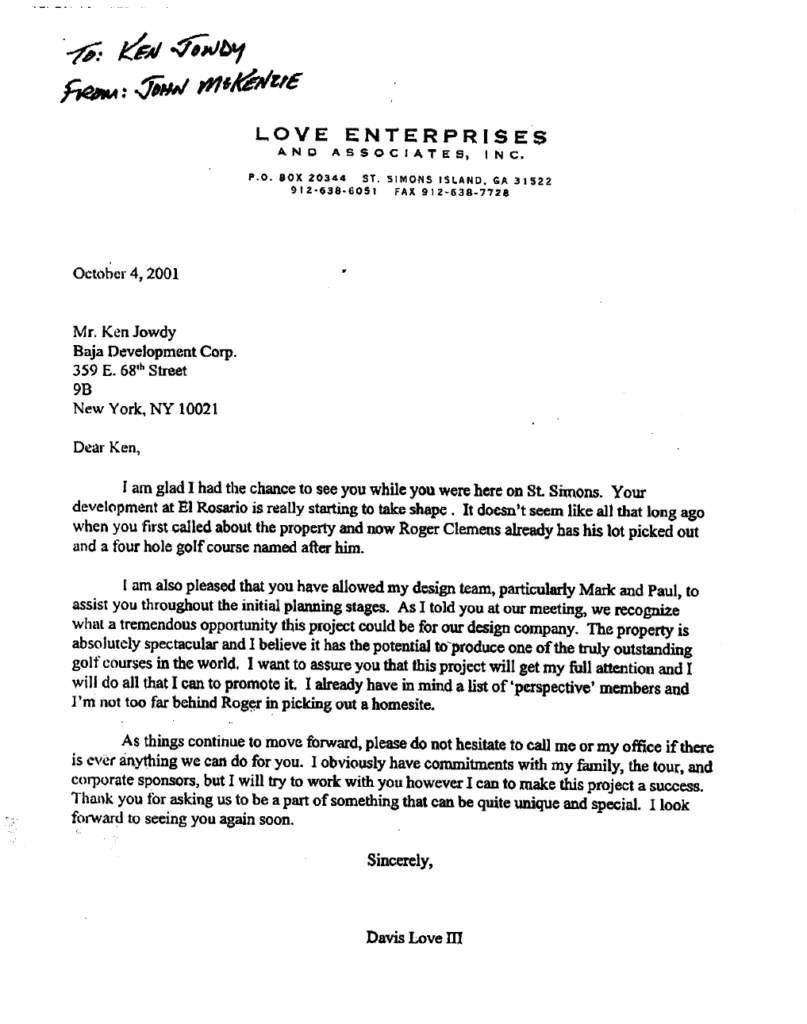
Over time, Jowdy’s public orbit included Davis Love III, Tiger Woods, and a resort that ultimately hosted a PGA Tour event. Diamante now advertises world-class golf, beachfront living, and the full luxury machine.
The World Wide Technology Championship promotes El Cardonal as its tournament venue, sealing the transformation of Jowdy’s project into a polished institution.
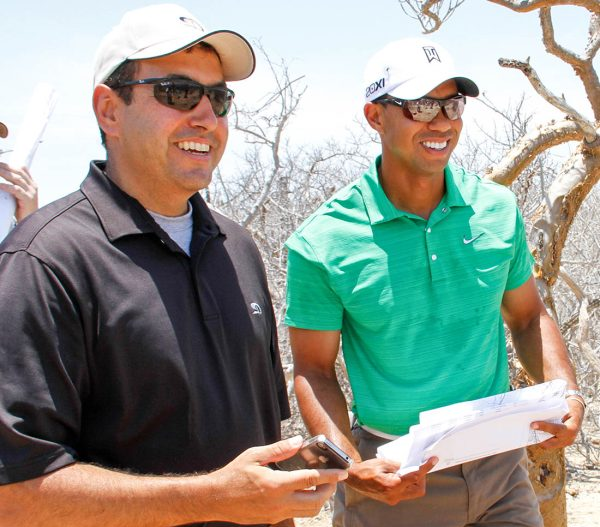
That legitimacy is real. The golf courses exist. Tiger Woods’ El Cardonal opened. The Dunes Course earned acclaim. Buyers built homes. The finished resort cannot be dismissed as vapor.
But success is not an eraser.
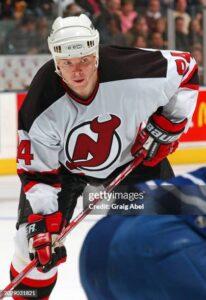
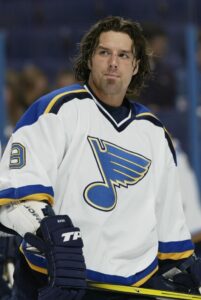
In June 2009, a group of current and former NHL players sued Jowdy in Los Angeles Superior Court. Contemporary coverage said the players accused him of mishandling approximately $25 million intended for Mexican resort projects. Golf Digest reported that nearly two dozen hockey players were seeking the return of the money and additional damages.
Jowdy denied the accusations, calling the lawsuit meritless and asserting that it contained no factual basis.
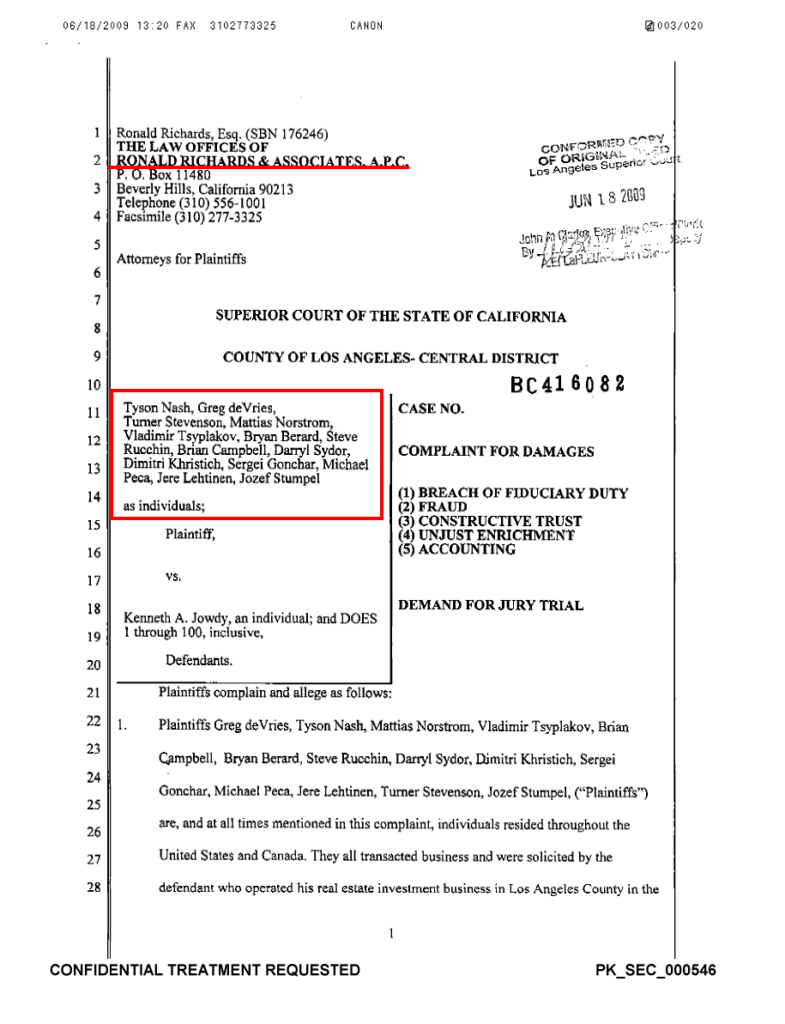
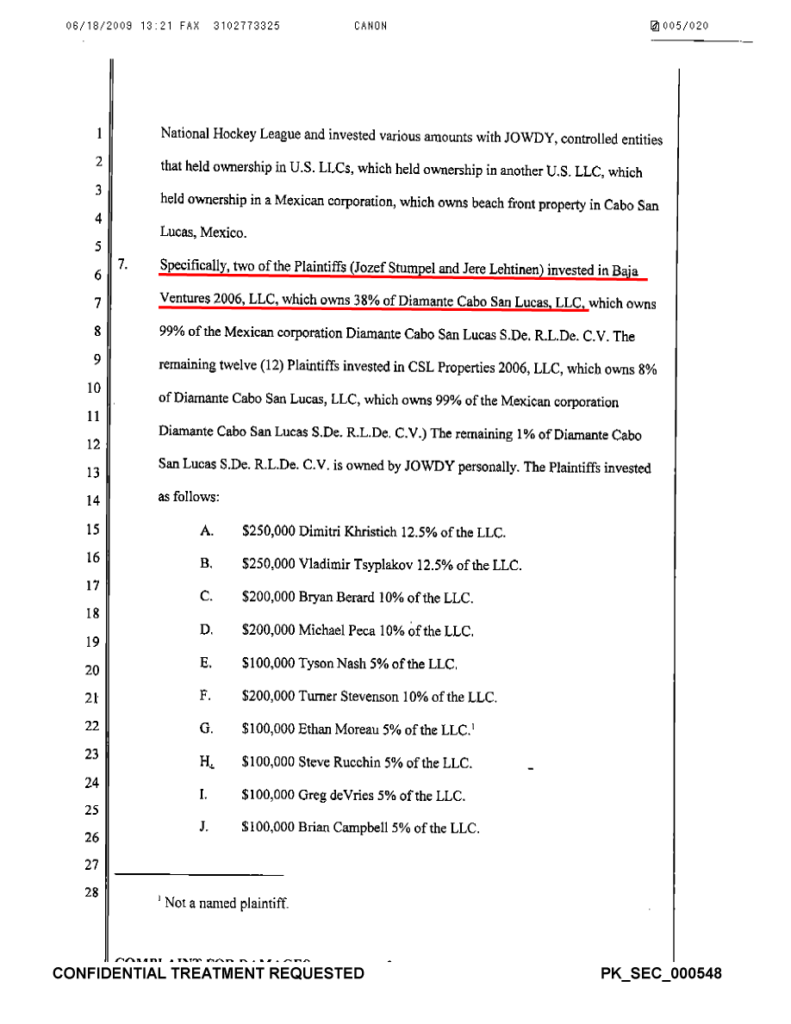
The complaint itself named players including Tyson Nash, Turner Stevenson, Bryan Berard, Darryl Sydor, Sergei Gonchar, Michael Peca, Jere Lehtinen and Jozef Stumpel. It pleaded breach of fiduciary duty, fraud, constructive trust, unjust enrichment and accounting.
Again, those are allegations, not convictions. But this was no isolated grudge. It was a revolt by the very athlete-investors whose money and credibility had helped animate Jowdy’s development machine.
The Hockey Players Revolt: The First Mexican Dream Died on a Runway
The companion California complaint concerning Diamante Del Mar attacked Jowdy’s developer mythology at its weakest point: execution. The plaintiffs alleged that numerous hockey players invested approximately $500,000 each in a proposed development near El Rosario. Jowdy was allegedly paid a $350,000 annual salary plus travel and entertainment expenses to steward the project.
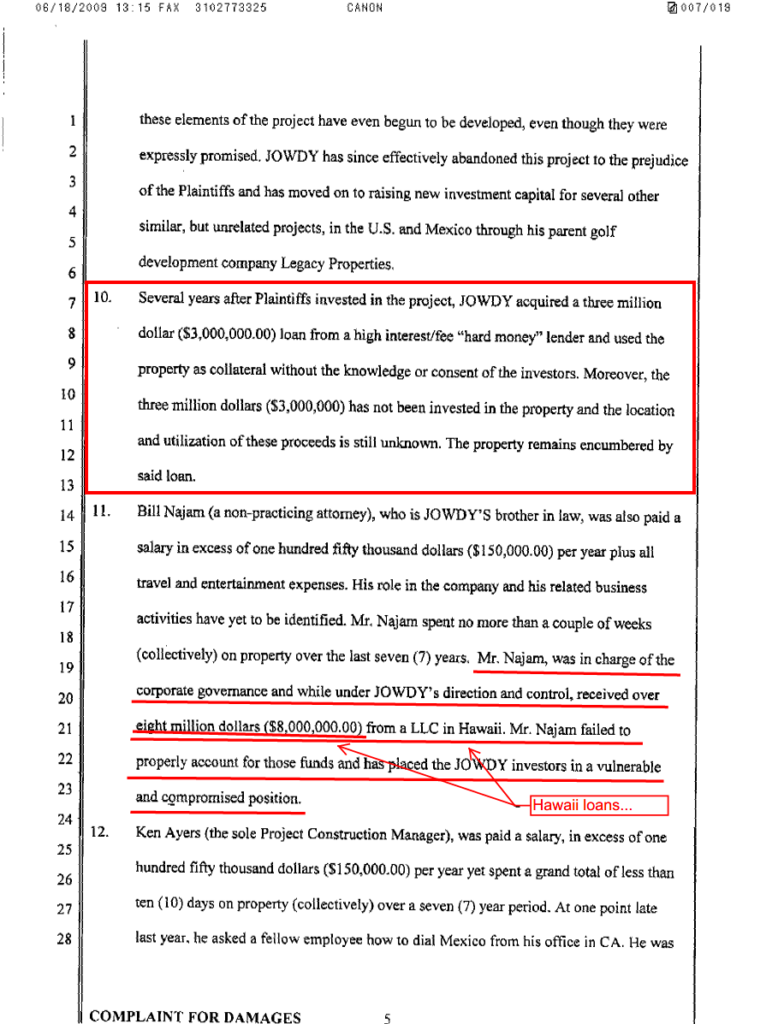
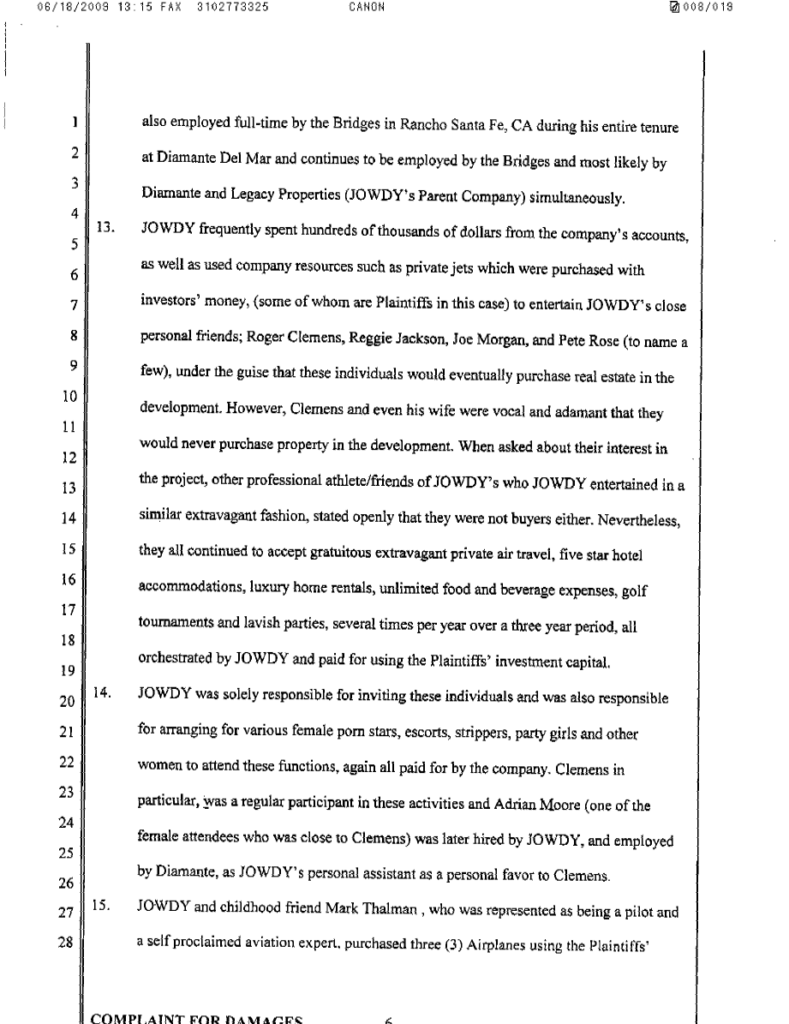
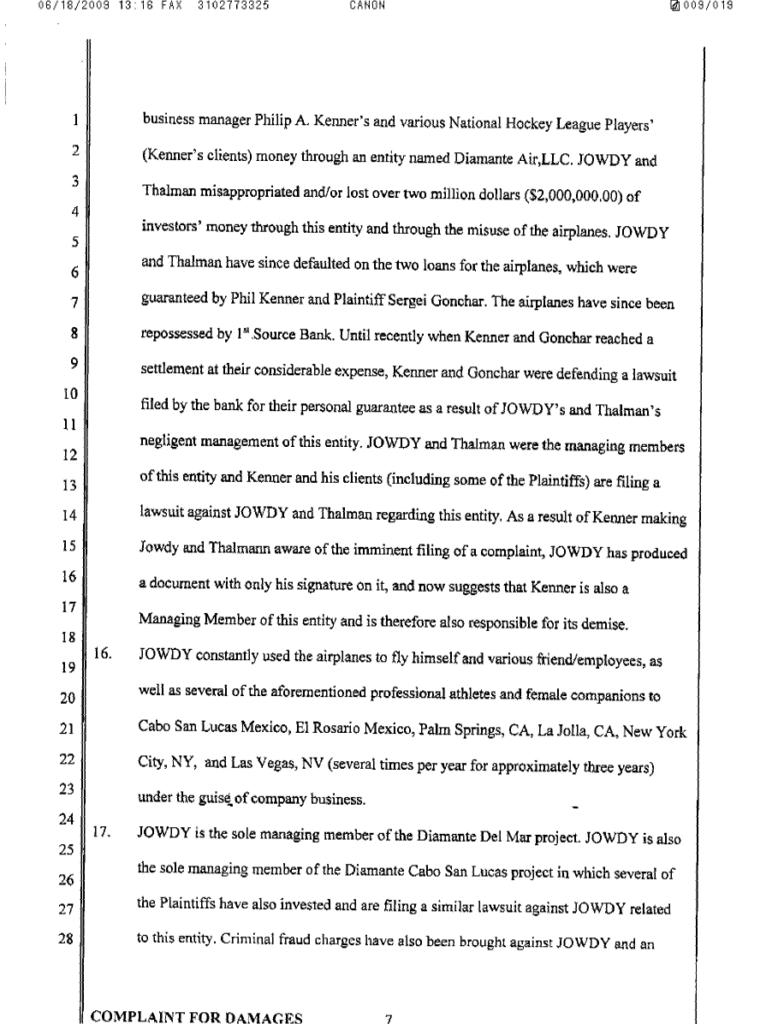
The complaint alleged that over seven years, approximately $10 million was spent while the development failed to produce the promised golf courses, residences, or meaningful infrastructure.
The one improvement highlighted in the pleading was a 6,000-foot runway. According to the complaint, the runway was built to land Diamante-branded aircraft and impress prospective investors. If accurate, it was a perfect symbol of the enterprise: the project allegedly built the entrance for arriving money before building the resort the money was supposed to finance. The runway provided spectacle. The golf courses remained promises.
The complaint further alleged that Jowdy later borrowed $3 million from a hard-money lender and put the project property at risk without the investors’ knowledge or consent. It claimed the proceeds were not invested in the property and remained unaccounted for. It also alleged that corporate governance responsibilities were assigned to Jowdy’s brother-in-law, Bill Najam, while substantial funds from a Hawaii LLC flowed into the broader operation.
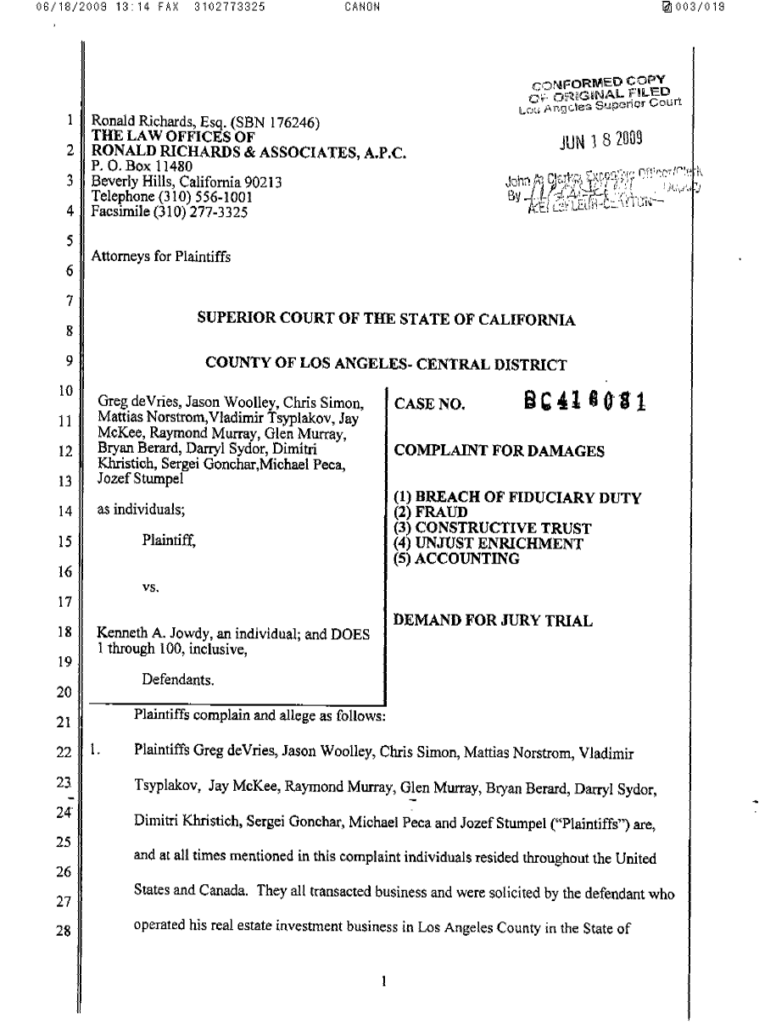
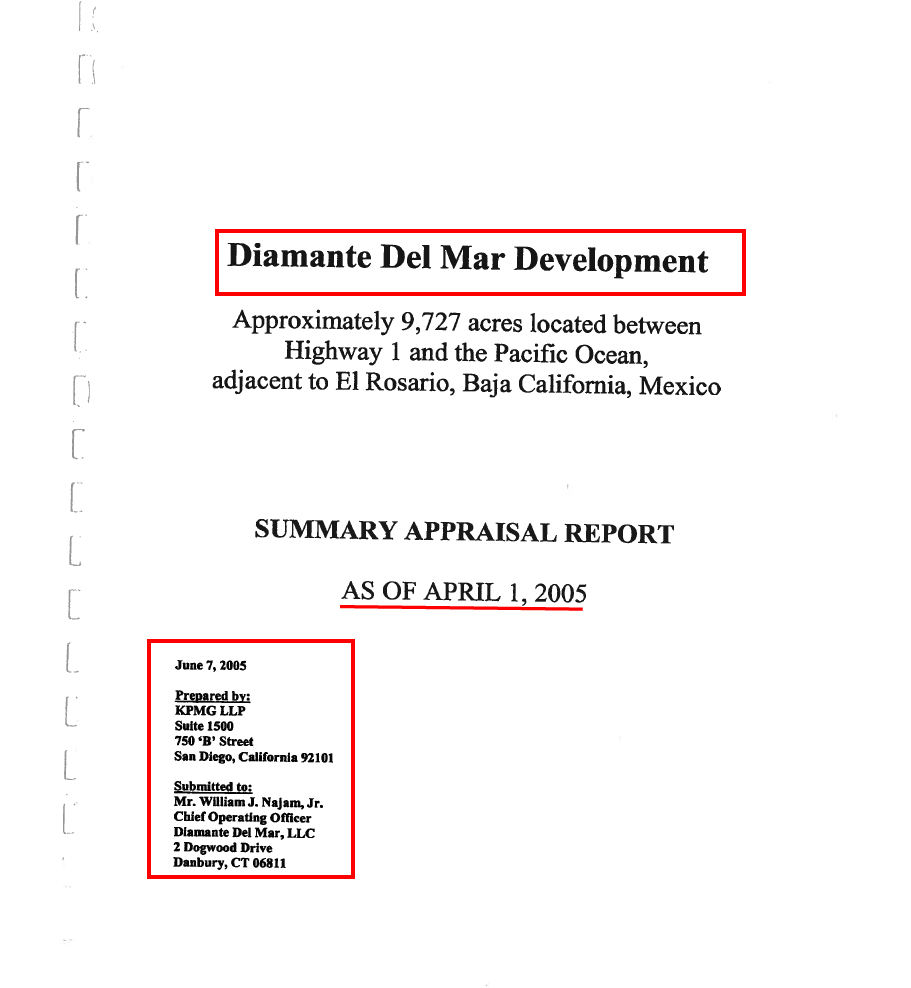
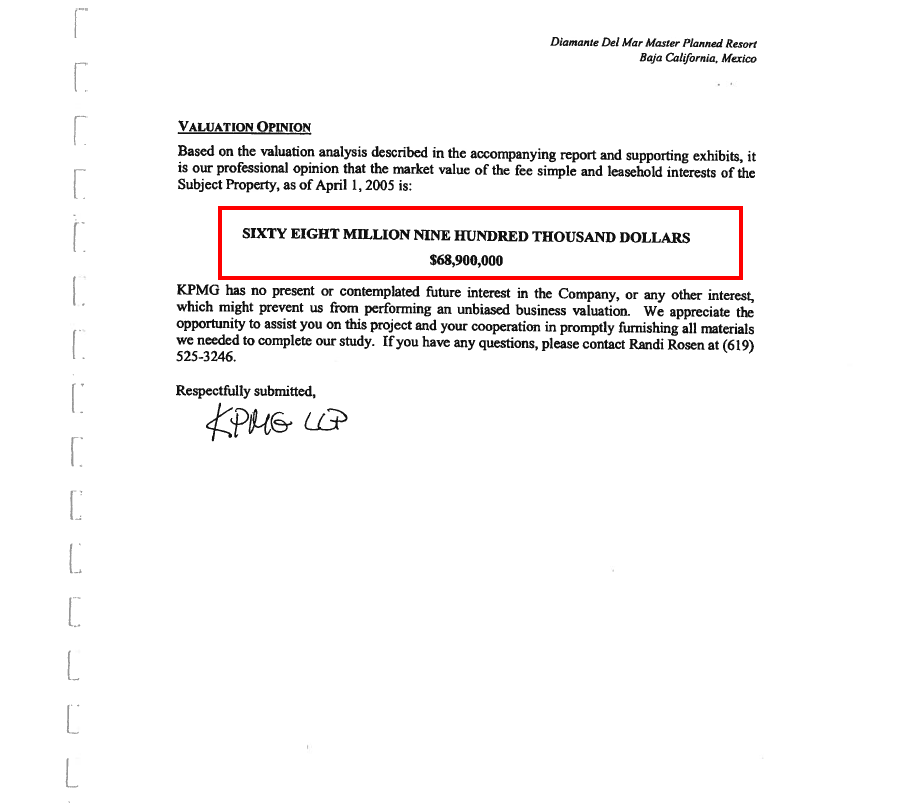
These claims were never a judicial declaration that Jowdy stole the money. They were accusations demanding an accounting. Yet they align with other documents: the original investor account shows rapid transfers; Harvey’s 2002 letter promised property liens; the 2005 appraisal valued the land at $68.9 million; and the later complaint alleged that the property was burdened by new debt without the investors receiving what they had been promised.
The grand developer’s first Baja project, according to his investors, became a valuable tract with a runway, debt, and missing answers.
The Hockey Players Revolt: Salaries, Jets, and a $35 Million Bonfire
The Diamante Cabo San Lucas complaint was even more explosive. It alleged that Jowdy received a $480,000 annual salary, plus travel and entertainment expenses, while acting as the sole developer and manager. The plaintiffs claimed that approximately $35 million was spent over three years without producing basic elements of the promised master development.
They alleged that childhood friends and associates received lucrative positions despite limited development experience, and that salaries, travel, entertainment, and promotional spending consumed substantial investor funds.

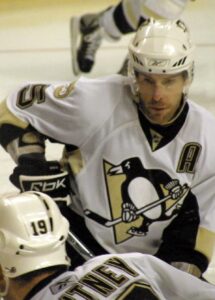
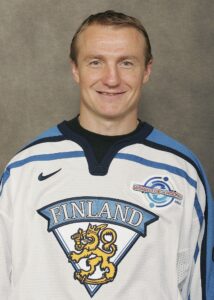
The complaint alleged that company aircraft carried Jowdy, employees, athletes, and guests to and from Cabo, Las Vegas, New York, Southern California, and other destinations. It described lavish accommodations, parties, and golf events allegedly funded by investor capital. It also accused Jowdy and an associate of losing or misusing more than $2 million through an aircraft entity, leaving guarantors exposed when the planes were repossessed.
The investors accused Jowdy of using the theater of celebrity to consume capital while development obligations went unmet.
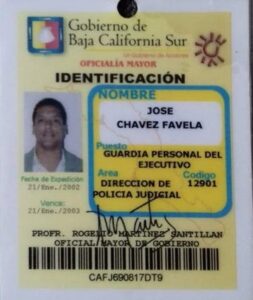
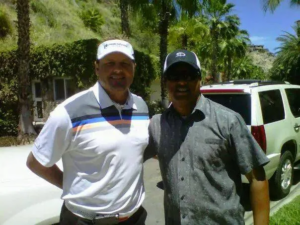
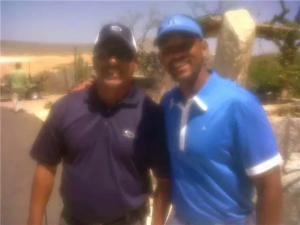
The lynchpin in the investigation is the “Star Athletes Concierge” at Diamante, a man named Jose Chavez Favela, answering directly to Jowdy. His job was to provide pro sports icons with anything they wanted – usually booze and girls.

The complaint also alleged that Jowdy contributed no personal capital to the project while obtaining a substantial equity position and borrowing the investment capital used on his behalf. It alleged that loans exceeding $8 million were outstanding to Kenner and hockey-player investors. The pleading further alleged that Jowdy misled lenders and restricted investors’ access to the property and related information.
This was not merely “we dislike management.” It identified salaries, aircraft, project entities, ownership percentages, alleged loan amounts, and specific categories of spending.
The resort later succeeded. That does not answer whether the people who funded its dangerous early years were dealt with honestly.
The Hockey Players Revolt: The Connections Were the Product
Jowdy’s famous associations were not incidental to the business. They were part of the value proposition. A development linked to Davis Love III carried credibility. A resort with Tiger Woods’ first completed course became global golf news. The PGA Tour’s arrival made Diamante look less like a risky land venture and more like an established institution.
Those accomplishments are formidable, but they also create a dangerous psychological shortcut: the belief that reputable people surrounding a businessman make the businessman reputable by osmosis.


They do not.
Tiger Woods’ design firm was hired to design golf courses. Davis Love III designed the Dunes. The PGA Tour selected a tournament venue. None of those relationships independently answers what happened to the earliest investor funds, whether promised liens were perfected, whether bridge loans were repaid, whether corporate accounts were properly separated, or whether investor complaints were truthful. Great golf architecture is not a forensic audit.
The articles reporting the 2009 litigation captured the split-screen even then. Golf Digest described a major Mexican golf resort project clouded by a lawsuit accusing Jowdy of stealing investor money. The Hockey News reported allegations that NHL players had been deceived out of approximately $25 million. Jowdy denied wrongdoing.
The finished Diamante may be magnificent. That is precisely why the second Jowdy story is crucial. The empire did not rise despite the disputed millions; the court filings allege it rose through structures financed by them. Some investors received a golf kingdom. Others received lawsuits, repayment fights, and years of unanswered questions.
Ken Jowdy’s defense may ultimately be that the successful resort proves the wisdom of his methods. It proves only that the resort survived.
It does not tell us who paid the price. We now know that Philip Kenner got the cage.
Related posts:
STATEN ISLAND GOES SOVIET: DA WANTS FLORIDA JOURNALIST EXTRADITED FOR REPORTING AND FACEBOOK SATIRE
The Road To East Rutherford
Publish or I Die: Accuser vs. Former DA in Erie County Maze
Framed and Forgotten By McMahon
A Peculiar Substitution of Judge in New York Supreme Court, and the Administrative Judge Quickly Act…
LAWFARE ON STATEN ISLAND: COUNCILWOMAN HANKS WANTS JUDGE, NOT VOTERS, TO DECIDE ELECTION
About The Author

Leave a Reply