


Can Compassionate Release Save Philip Kenner’s Life?
LUTHMANN NOTE: Philip Kenner’s case is not just another compassionate-release motion. It is a federal prison Pandora’s Box. According to the filings, Kenner endured years of cancer-related delay, a near bleed-out emergency, interrupted treatment protocols, and bureaucratic control over his ability to pursue realistic medical options outside the Bureau of Prisons. The government’s position seems brutally simple: because he is still alive, the system must be working. That is not justice. That is bureaucratic barbarism. The First Step Act was created for precisely this kind of failure. If courts cannot intervene here, compassionate release is just deathbed paperwork. This piece is “Federal Prison Pandora’s Box.”


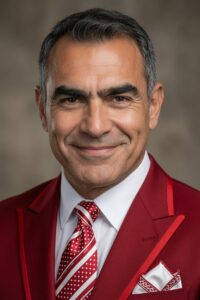
By Rick LaRivière, Richard Luthmann, and Fernando Jiménez Burke
(CENTRAL ISLIP, NEW YORK) – The Eastern District of New York may soon face a compassionate release determination for someone who has already over-served his Congressional sentence. The decision reaches far beyond an ordinary prisoner medical request, and invites arguments of mythical proportions.

At the center of the case is federal inmate Philip Kenner, whose current medical filings now frame the issue as forced bureaucratic barbarism thwarting his efforts to simply survive.
Kenner is a former whistleblower against major players, including a Lehman Brothers fraud scheme, multiple bogus billion-dollar golf redevelopment frauds, and a former US government official “pay-to-play” protection racket. Many in the long-standing bureaucratic elite (including an infamous former FBI Director) would just as well see Kenner and his plight simply “disappear.”
Now, Kenner’s case may amount to one of the clearest examples of “extraordinary and compelling reasons” for relief under 18 U.S.C. § 3582(c)(1)(A): a documented four-and-one-half-year delay in diagnosing cancer while under Bureau of Prisons custody is just the beginning of this torrid tale.
More than a decade after a surreal, misconduct-filled, 10-week trial, those who prosecuted Kenner based on projection and misdirection- clear retaliation for his whistleblowing are afraid of the far-reaching tentacles that a new judicial referee should be willing to oversee: Judge Nusrat Choudhury.
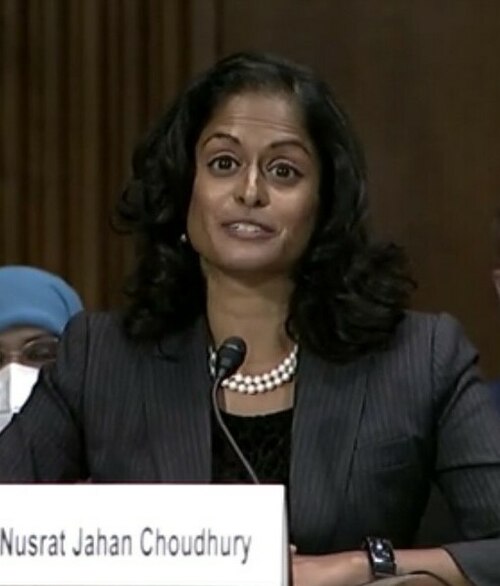
Perhaps, Kenner’s new bench referee will correct clear and prior judicial error – leading to reopening bigger justice, exposing the two-decade-plus cover-up, protecting those acting above the law. Pay-for-play: Dick Clark’s “payola” style??
If justice prevails in the underlying compassion motion, Kenner will finally be free of draconian medical oversight, allowing him to pursue realistic medical solutions outside the bureaucracy. It will leave those responsible for the two decades of coverups and misdirections powerless to control Kenner’s medical destiny. Perhaps, finally facing justice at the hands of the US Attorney’s offices in New York and Utah, where their cover-ups and continuing RICO-like crimes have not exhausted the statute.
According to medical filings before the court, Kenner repeatedly presented escalating symptoms and medical concerns at multiple BOP facilities for years before meaningful diagnostics were ever performed. Most alarming, after suffering a near bleed-out emergency requiring outside ER hospital intervention in 2022, the BOP delayed cancer-related specialty diagnostics and follow-up evaluation for another six months. By the time meaningful intervention occurred, the disease had already substantially progressed.
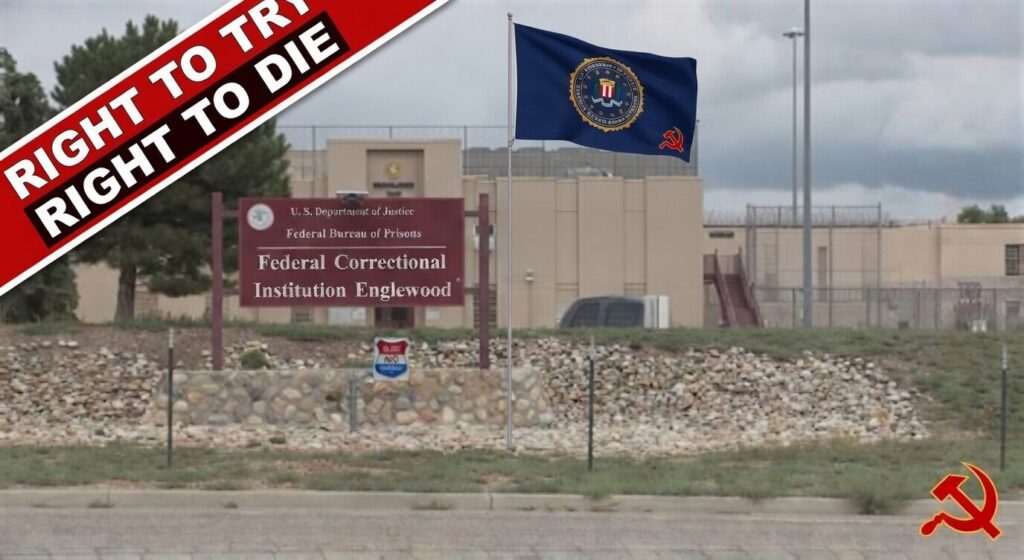
Former FCI Englewood Comodanté, Warden Williams, presided over medical staff who allowed two deaths in 2025 under circumstances of medical neglect; contemporaneous to allowing Kenner’s over-incarceration, deliberate medical indifference, and BOP custodial mismanagement.
But the medical controversy does not stop with delayed diagnosis.
Kenner’s filings further allege that once certain cancer-treatment protocols finally began producing responsive and medically positive results, the BOP dismantled those protocols during 2024 by ignoring Congressional statute, BOP-codified regulations, and by implementing transfer-related cancellations, treatment interruptions, and administrative decisions that deliberately eliminated continuity of care. According to the motions, treatment plans that had already shown efficacy were removed, leaving Kenner with what the defense describes as a “take it or leave it” organ-removal surgery after years of delayed diagnostics and interrupted oncology oversight.
Critics argue the contrast becomes even sharper when compared against the government’s continued opposition to compassionate release. According to the defense, prosecutors have effectively argued that because Kenner remains alive, the BOP must necessarily be providing constitutionally adequate care. Kenner’s filings counter that compassionate release was never intended to require prisoners to wait for imminent death before courts intervene to prevent avoidable suffering and medically deficient confinement.
Yet the medical controversy may be only one part of a far broader and more explosive narrative emerging from the case, based on recent civil filings alleging real estate fraud against a former FBI prosecuting agent and his star witness.
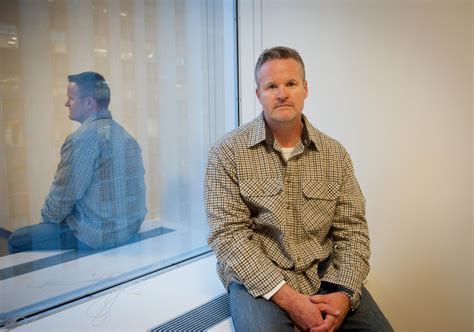
Cottone’s Utah allegations assert that the prosecution’s principal cooperating witness in the highly controversial Kenner prosecution, former Long Island and NYPD cop John Kaiser, and former NHL player Bryan Berard, were both later found civilly liable in Arizona litigation involving alleged financial misconduct for fraud defrauding Kenner and several NHL players, resulting in judgments exceeding $500,000– – long before his current Utah real estate frauds. More Long Island doctor victims are popping up—including Anesthesiologist Dr. Tom Cattone—alongside former disgraced FBI case agent Matt Galioto.
A contemporaneous million-dollar fraud in Sag Harbor, New York, by Kaiser and Berard escaped judicial rulings after they assisted FBI agent Galioto’s arrest of Kenner, stopping Kenner’s litigious pursuit of Kaiser, Berard, and their former Boss: FBI records verified real estate fraudster—Ken Jowdy.
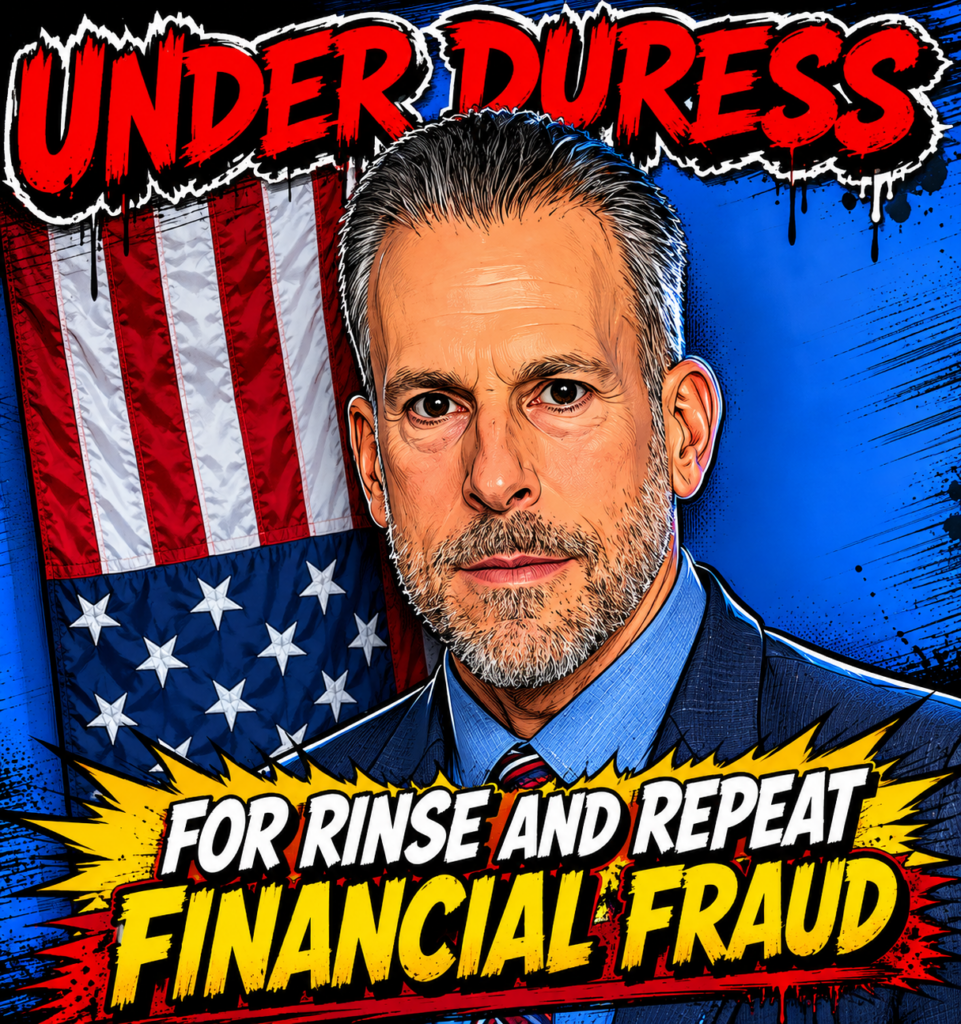
Kenner’s filings further document that the FBI agent Galioto, assigned to his prosecution and hand-picked by former FBI Director Louis Freeh, was ordered to shield or minimize evidence showing that the government’s key witnesses, Kaiser and Berard, had engaged in additional financial misconduct involving multiple investors and vulnerable individuals.
These frauds occurred while working high-paying, pay-for-play jobs under Jowdy in Mexico, Galioto, Kaiser, and Berard collectively defrauding dozens of former NHL players—including Jere Lehtinen, Darryl Sydor, Bill Ranford, Mike Peca, etc.—before Jowdy fired them post-trial.
Government-subpoenaed bank records and FBI interview notes (slangy referred to as 302s) document specific financial losses at Kaiser in Berard’s hands. The Kaiser/Berard frauds, protected by Galioto, were suffered by NY doctors, elderly individuals, members of Kaiser’s own family, and even Long Island 9/11-related first responders tied to associated investment activity. The filings report that critical portions of exculpatory material were excluded by the court from Kenner’s 2015 trial to preserve the credibility of the government’s star witnesses, on Jowdy’s payroll.
Kenner’s filings now characterize those events as only “the beginning” of a much larger alleged pattern involving former FBI personnel, currently libelous real-estate development ventures in Utah, and overlapping and corrupt financial relationships extending back decades.

These same prosecutorial villains are currently defendants in civil proceedings tied to the Wohali resort development. Kaiser, Berard, Galioto and associates have decades-long ties to former FBI Director Louis Freeh. Freeh’s reported professional associations include the Utah defendants (developer Ken Jowdy’s former paid-for lynch men in the Kenner prosecution). The U.S. Attorney’s Office in Utah should get involved: former Utah Attorney General Brett Tolman would have prosecuted criminally.
Legally, Galioto’s cabal acting under Louis Freeh’s direction diverted attention from the actual criminal recipient, Jowdy, as exposed by the government’s own 2015–16 forensic accounting. Kenner’s diversion prosecution allowed former Lehman Brothers lender Masood Bhatti, and broader collective claims of financial misconduct by Freeh’s associates. The cover-up involved hundreds of millions of dollars in investor losses and the diversion of bank debt. According to the government’s own post-trial forensic accounting, none of the actual fraud or losses occurred at the hands of Kenner.
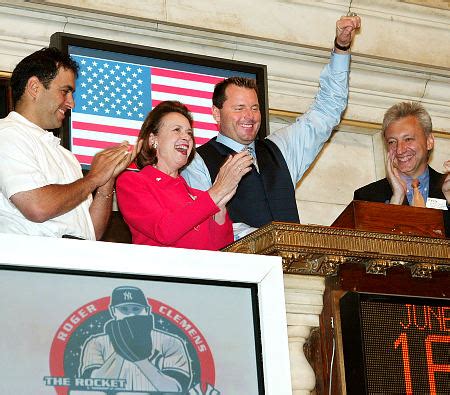
Clemens and Jowdy (left): At the New York Stock Exchange opening contemporaneous with Jowdy’s surreptitious payments to McNamee, Clemens, and Mindy McCready – all from Jowdy’s accounts and stolen from Kenner and Kenner’s investors
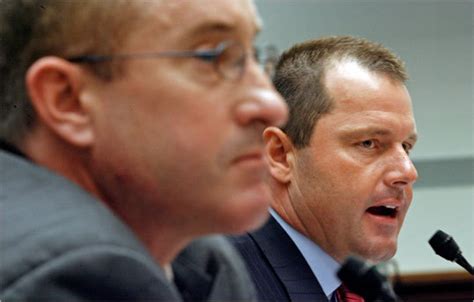
The submissions also connect portions of the broader narrative to prior public controversies involving the Senator Mitchell MLB steroid investigation, Brian McNamee’s whistleblowing and payoffs from Jowdy’s stolen project funds, and allegations surrounding former MLB pitcher Roger Clemens and the late country singer Mindy McCready (died: February 2013).
None of those allegations have been adjudicated within the compassionate release proceedings themselves. Nevertheless, they form part of the broader backdrop now confronting the Eastern District, why whistleblower Kenner was a target in the first instance.
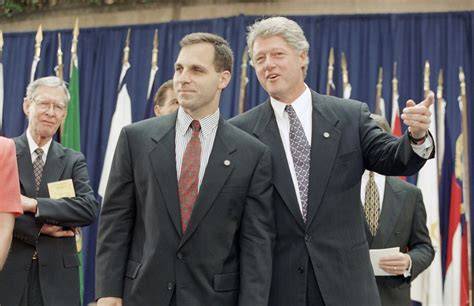
“Unum immolare ut multa servetur”. (Latin: sacrifice one to save the many”)

Kenner’s life-or-death medical anomaly is left in the balance before any of the residual crimes the coverups have perpetuated are investigated or prosecuted by various US attorneys’ offices.
For now, the court’s jurisdiction extends to evaluate whether Kenner’s continued incarceration and disgraceful, bureaucratic medical oversight remain equitable under the First Step Act.
Still, the immediate issue before the court may ultimately remain much simpler: whether continued confinement is morally and legally defensible after years of cancer-related medical indifference, prolonged diagnostic delay, deliberate removal of responsive treatment protocols, and ongoing custodial interference with independent healthcare access; in opposition to the government’s claim that the BOP is providing adequate care required under statute by Congress.
For the Eastern District, the case may become more than a routine compassionate release request. It may become a test of whether federal courts are willing to fully confront allegations of medically defective confinement and disputed prosecutorial narratives when the consequences are no longer theoretical, but measured in pain, deterioration, and time.
These are the issues the First Step Act directly addressed to correct failures in judicial and bureaucratic oversight; exactly like here.
About The Author
