
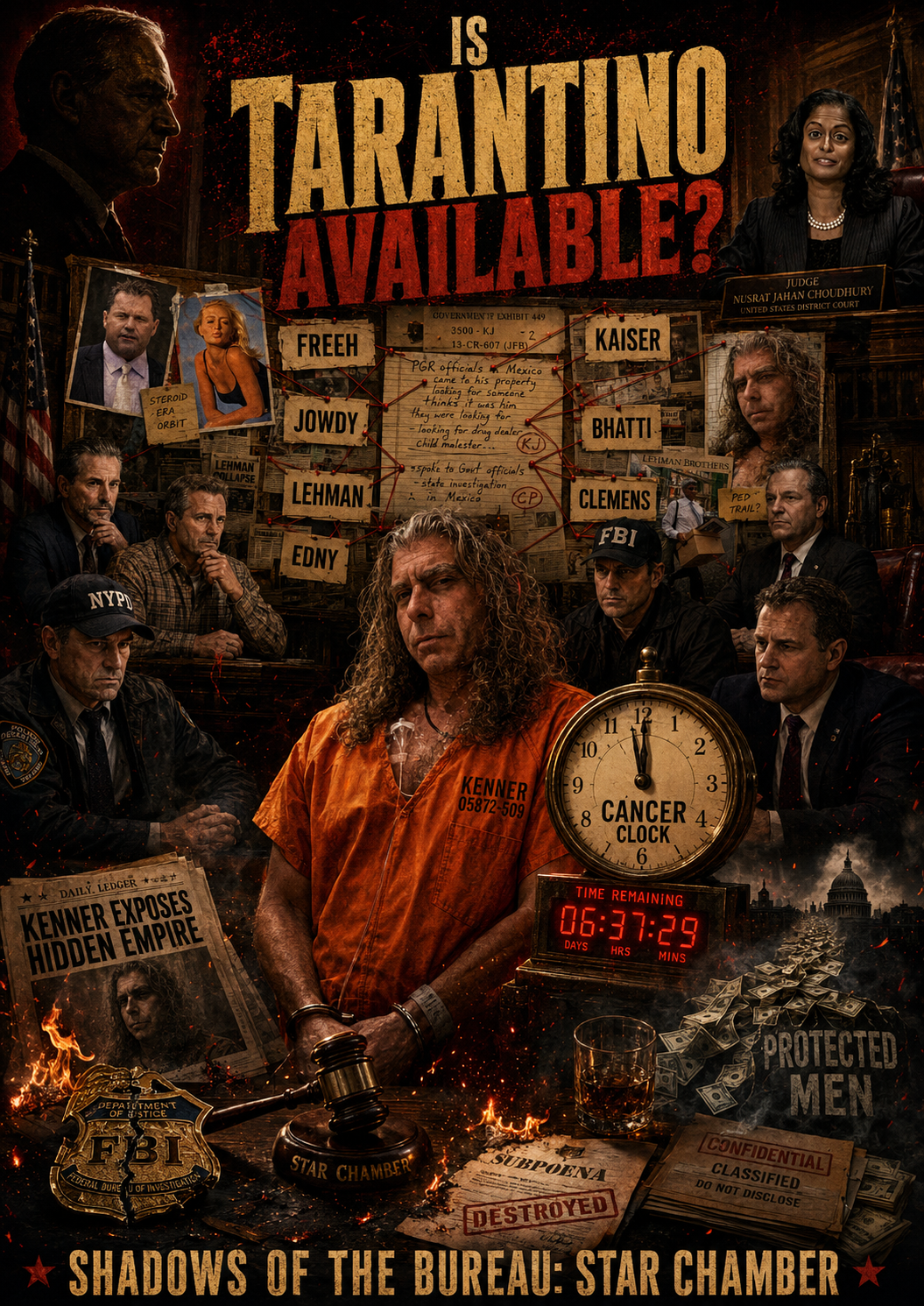
Why did crooked cops and protected insiders get fog while one man got prison?
LUTHMANN NOTE: Philip Kenner got the cage. The protected men got the fog. That is the through-line of this entire series. The first installment does not pretend to prove every buried document in one swing. It frames the battlefield: Freeh, Galioto, Kaiser, Jowdy, Bhatti, Clemens-world pressure, steroid-era media, EDNY narrowing, and the Bureau of Prisons cancer clock. The public was handed a villain. Now it deserves the machinery behind the villain-making. If federal power was used to protect insiders and bury the full money trail, then this is not old news. It is unfinished business. This piece is “Kenner Got The Cage: Is Tarantino Available?”

By Richard Luthmann and Fernando Jiménez Burke
The Movie They Never Wanted Made
(EAST ISLIP, NEW YORK) – Some stories do not belong in sterile government press releases, sealed exhibits, or sanitized appellate footnotes. Some stories belong on a Tarantino set, where the blood on the floor cannot be airbrushed, the crooked cops do not get flattering lighting, and every man who thought the badge made him bulletproof eventually has to sit across the table from the truth.
The Philip Kenner story is one of those stories. It has athletes, bankers, lawyers, dead-end prosecutions, government protection, media cutouts, missing money, dying defendants, and enough federal shadow play to make a Star Chamber look like traffic court.
This is not the cartoon version of the case sold to the public through selective leaks and favored scribes. This is not the government-friendly morality play where prosecutors are always noble, federal agents are always clean, and the defendant is always the beginning and end of the crime. This is the darker version, the version buried under court records, financial trails, investor files, Bureau of Prisons medical history, and two decades of narrative manipulation.
This is the version that asks why Philip Kenner became the face of the fraud while other men with badges, power, access, and documented proximity to the money kept walking around like extras in somebody else’s indictment.
At the center of this story sit former FBI Director Louis Freeh, former FBI Special Agent Matthew Galioto, former NYPD figure John R. Kaiser, financial strawman Ken Jowdy, Lehman Brothers commercial lender Masood Bhatti, and a constellation of sports-world, media-world, and legal-world operators who helped transform a financial wreck into a federal narrative war. Kenner became the cage. The others became the fog. Now the fog is starting to lift.
Kenner Got The Cage: The Star Chamber Above The Law
In the shadowed corridors of power, originating from the upper reaches of the Hoover Building, justice was supposed to reign. Instead, according to the Kenner record and the allegations now demanding public review, a quiet corruption festered like an undetected wound. Under Freeh’s polished image of institutional virtue, the storyline was not merely investigated. It was managed. Narratives were changed. Diversions were set. Targets were selected. Media slander and defamation campaigns were deployed like tactical weapons. And the ordinary expectations of judicial oversight were treated like obstacles to be routed around, not safeguards to be honored.
This is the Star Chamber at the heart of the Kenner saga: federal power operating in the dark, protected actors receiving “above the law” favors, and inconvenient evidence being redirected, minimized, or buried while the chosen villain was marched into the spotlight. The Bureau, once sold to the American people as a beacon of integrity, became in this telling a weapon for those who understood a simple rule of modern power: control the storyline, and you control reality. Control reality long enough, and you can decide who goes to prison, who gets protected, and who gets erased.
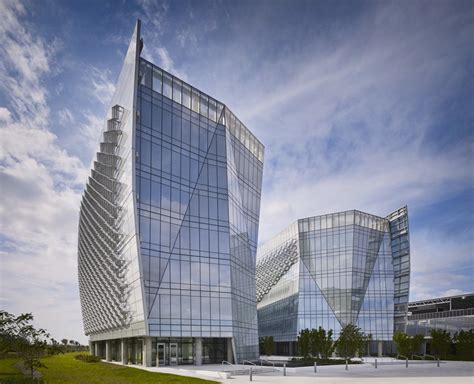
America can only pray that a new FBI headquarters brings something more important than new concrete, glass, and ribbon-cutting speeches. It must bring honor back into the bloodstream of federal law enforcement. Buildings do not clean agencies. Press releases do not restore trust. Only truth does that. If the Kenner file proves anything, it is that the public should never confuse institutional prestige with institutional honesty. The badge is not a sacrament. The badge is a trust. And when that trust is sold, weaponized, or used to protect a cabal, the public has every right to demand names, dates, documents, and consequences.
Kenner Got The Cage: Galioto, Kaiser, And The Street-Level Machine
Central to this machinery was former FBI Special Agent Matthew Galioto, cast in the Kenner narrative as an operator moving with unusual autonomy, unusual access, and far too little meaningful oversight. Galioto was not some paper-pushing bureaucrat lost in the file room. He was the institutional muscle, the man with the federal gloss, the one whose presence could make weak facts look official and private pressure look like law enforcement. In the wrong hands, that kind of authority is not investigation. It is narrative manufacture with a badge clipped to the belt.

Beside him, according to the allegations, stood John R. Kaiser, a former NYPD figure with street knowledge, old contacts, financial desperation, and a willingness to cross lines that honest cops are supposed to die before crossing. Kaiser provided the ground game. Galioto provided the federal canopy. Together, they formed the practical machinery of pressure, intimidation, and narrative discipline. This was not just a financial case. This was a campaign. It targeted investors, dissidents, skeptics, and anyone threatening to look past the approved script and ask who really touched the money.
The mission, according to Kenner’s side of the story, was to protect Ken Jowdy, the strawman placed near massive flows of investor money, sports money, and development money. Jowdy’s role was not incidental. It was central. The money trail runs through names and projects that are too important to wave away: Diamanté Cabo San Lucas, Laurel Cove in Tennessee, Boot Ranch in Texas, Lehman Brothers, Masood Bhatti, Roger Clemens, Brian McNamee, Mindy McCready, Bryan Berard, NHL investors, Manhattan lawyers, favored reporters, and federal contacts. The allegation is not merely that money vanished. The allegation is that the system protected the wrong men after it vanished.
Kenner Got The Cage: Lehman, Bhatti, And Financial Resurrection
In September 2008, as Lehman Brothers collapsed into the ash heap of American financial arrogance, Masood Bhatti became one of the many faces leaving the wreckage. To the casual observer, it was another image from the great banking implosion. To anyone following the Kenner file, it reads differently. Bhatti, a Lehman Brothers commercial lender, has been identified in the Kenner narrative as a critical financial actor connected to diverted funds from the Diamanté Cabo San Lucas, Laurel Cove, and Boot Ranch projects between 2006 and 2008. That does not make him scenery. It makes him part of the map.
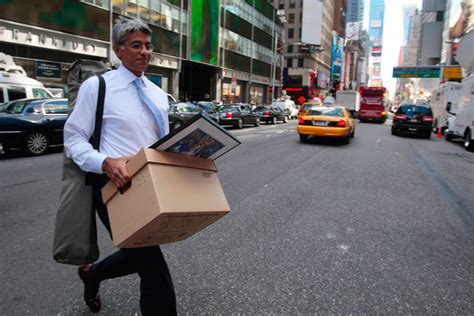
The Kenner camp’s allegation is that Bhatti was valuable precisely because he understood the banking architecture, the loan channels, the paper trails, and the resurrection tricks available to connected insiders after collapse. When ordinary Americans lose money, they get foreclosure notices, ruined credit, and lectures about personal responsibility. When protected insiders lose or move money inside an elite network, the story changes. Files disappear into complexity. Blame gets outsourced. The public is handed a villain. The connected players are handed time.
That is where this case leaves the ordinary world of fraud and enters something uglier. A private financial dispute can be litigated. A corporate collapse can be investigated. But when money vanishes inside an ecosystem of federal access, sports celebrity, media leverage, law-enforcement protection, and carefully curated public scandal, the result is not simply a case. It is a controlled demolition. According to Kenner’s side, that demolition had a target. His name was Philip Kenner. The real question now is whether he was the architect of the wreckage or the man selected to stand inside it when the charges came down.
Kenner Got The Cage: Media As Weapon And Shield
The public version of Philip Kenner did not appear from thin air. It was built, brick by brick, leak by leak, headline by headline. Selective information was fed to friendly outlets. Anonymous sources were treated like gospel. Sensational accusations were amplified while inconvenient financial questions were left in the dark. Media lanterns were lit and pointed exactly where the operators wanted the public to look. Investors, regulators, and the public were left chasing phantoms while the deeper money trail slid beneath the surface.
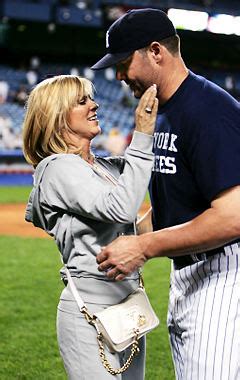
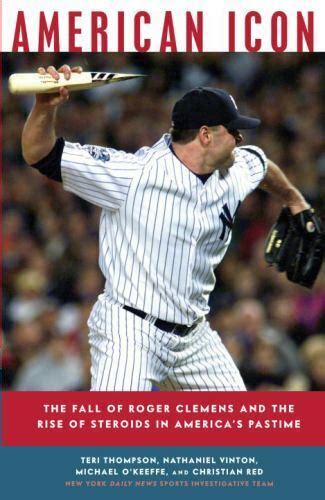
This is where the steroid-era press machine becomes central. New York Daily News writers, already embedded in the Roger Clemens, Brian McNamee, Ken Jowdy, and Tom Harvey universe, were not outsiders to the power web. Their work around American Icon opened a window into the Clemens-McNamee-Jowdy-Harvey orbit, including the pressure, manipulation, congressional drama, and narrative warfare that surrounded the Mitchell Report and Clemens’s later perjury trial. But the Kenner allegation goes further. It claims that after gaining insight into that world, those same media channels helped circulate narratives that protected the cabal while burying the government-documented misconduct of better-connected actors.
That is how media becomes both weapon and shield. As weapon, it destroys the target’s reputation before a jury ever sees evidence. As shield, it protects the operators who fed the story in the first place. Kenner was not merely prosecuted in court. He was prosecuted in print, by insinuation, leak, smear, and repetition. The public was told where to look. The public was not told what to see. And when the press becomes stenography for protected power, it stops being the Fourth Estate and becomes the public-relations division of the Star Chamber.
The Clemens-Jowdy Orbit
The Roger Clemens orbit matters because power always protects itself first. Ken Jowdy was not a random name on a stray ledger. He was tied to Clemens. He was near Brian McNamee. He was near Mindy McCready. He was near attorney Tom Harvey. He was near the steroid-era earthquake that shook Major League Baseball, Congress, the Mitchell Report, and the federal courthouse in Washington. That orbit had money, fame, secrets, panic, and motive. It also had powerful incentives to control any story that threatened to drag financial misconduct into the steroid scandal’s public glare.
According to the Kenner side, stolen investor money was used to keep people quiet, maintain alliances, and keep Jowdy away from deeper criminal scrutiny. Payments, favors, narrative discipline, and selective protection functioned as the glue holding the operation together. Roger Clemens survived his perjury trial. Jowdy avoided the full force of scrutiny Kenner’s camp says he deserved. The media had its storyline. The government had its defendant. Philip Kenner had the cage.
That should bother anyone who still believes justice is supposed to follow evidence, not influence. The question is not whether the Clemens orbit was famous. Fame is irrelevant. The question is whether fame distorted the investigation. The question is whether federal actors ignored documented misconduct because the wrong names were attached to it. The question is whether Kenner was turned into the useful villain because he lacked the same protective architecture. If that is what happened, then this was not law enforcement. It was narrative laundering with a federal case number.
Berard, Kaiser, And Visible Muscle
Every operation needs a public face. Every pressure campaign needs men willing to carry the message. In the Kenner narrative, John Kaiser supplied one form of visible muscle. Former NHL player Bryan Berard supplied another. Berard was no ordinary sports-world figure. He was an NHL name and the only American hockey player suspended by the U.S. Olympic Committee for steroid use. That history matters because this story sits at the crossroads of sports celebrity, steroid-era scandal, investor money, reputational fear, and federal leverage.
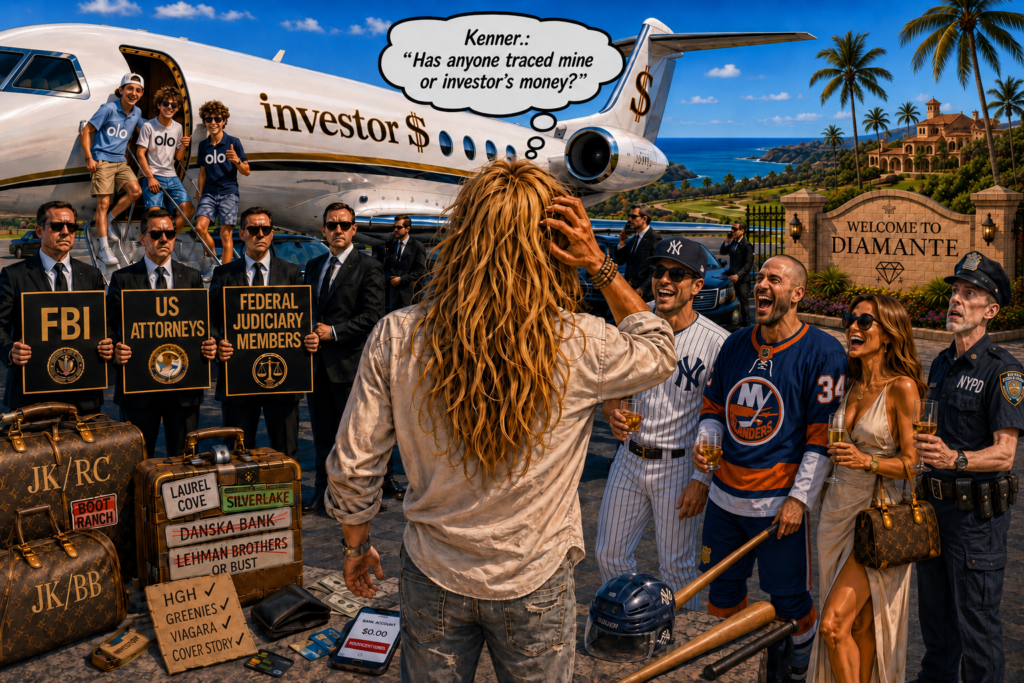
According to allegations from the Kenner side, Berard and Kaiser helped pressure investors and skeptics who refused to accept the approved version of events. The message was blunt: side with the cabal, or risk criminal consequences. In that kind of environment, truth does not need to be defeated on the merits. It only needs to be made expensive, dangerous, and lonely. People with families, jobs, reputations, and limited resources often retreat when powerful men start waving criminal threats around like baseball bats.
Galioto provided the institutional cover. Kaiser provided the street-level pressure. Berard supplied sports-world credibility and intimidation value. Freeh ensured that the broader machinery continued to hum. And Jowdy, the strawman, remained strangely insulated while Kenner absorbed the punishment. This is why the case smells wrong. It does not smell like a clean prosecution. It smells like choreography. It smells like men protecting their own. It smells like a case where the visible defendant may not have been the deepest villain, only the most convenient body to drag before the cameras.
Kenner Got The Cage: EDNY And The Judicial Fog
When the case reached the Eastern District of New York, the government had a duty to follow the money wherever it led. Not halfway. Not selectively. Not only until the trail reached protected names. The public was owed a full accounting of the financial flows, the development projects, the sports-world payments, the Lehman connections, the Jowdy role, the Bhatti role, and the law-enforcement interference. Instead, according to Kenner’s side, prosecutors adopted the already-scripted version of reality and pushed the case through the federal machinery.
The courtroom then became another narrative-control venue. Evidence was framed. History was narrowed. Blame was concentrated. Larger money trails were minimized or pushed offstage. A complicated financial and institutional scandal was reduced to a defendant-centered morality play. That is how federal prosecutions can become dangerous. Not because juries are evil. Not because judges are evil. But because once the government controls the frame, ordinary people inside the system may never see what has been excluded from view.
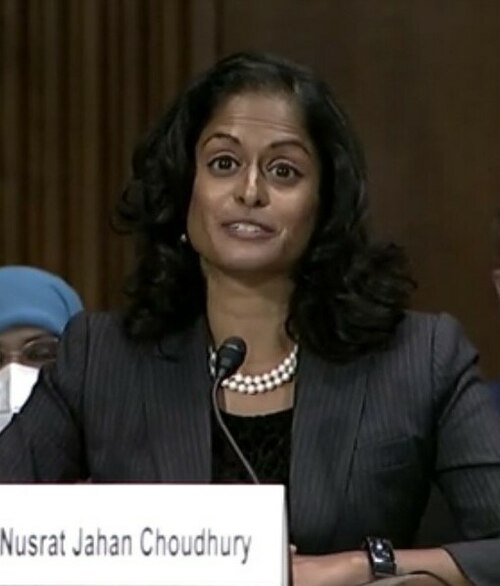
Now, after more than a decade of litigation and a two-decade war over the truth, the file is not dead. U.S. District Judge Nusrat Choudhury now sits in a position to examine what earlier actors would not. Her oversight may finally force daylight into a case that has spent too long inside institutional shadow. The question is not whether Philip Kenner was perfect. That is a child’s question and a prosecutor’s favorite distraction. The adult question is whether the government told the whole truth. If it did not, then the public deserves to know who narrowed the frame, who benefited, and who paid the price.
Kenner Got The Cage: The Cancer Clock Behind Bars
The Philip Kenner story became more urgent because federal custody eventually became something worse than punishment. It became a cancer clock. His medical filings and related narrative have described a brutal struggle with serious illness inside the Bureau of Prisons, where delay, transfer, cancellation, administrative exhaustion, and bureaucratic indifference can become their own form of sentence. A man fighting cancer does not have the luxury of waiting for government systems to rediscover humanity at their preferred pace. Every missed appointment matters. Every delayed scan matters. Every ignored request matters. Time itself becomes evidence.
That is why the compassionate-release and medical-care dimension cannot be separated from the larger scandal. If Kenner was simply another convicted defendant, the government still owed him lawful custody and adequate medical care. If he was also the selected fall guy in a larger protected-money operation, then the moral stakes become far higher. It means the same system that narrowed the case may now be slow-walking the life of the man who can expose the buried record. That is not merely harsh. That is obscene.
Kenner is not asking history to pretend he was never convicted. He is asking history to look at the whole machine. His case forces a basic question: What happens when the government destroys a man’s public name, buries disputed evidence, protects better-connected figures, and then warehouses the target through life-threatening illness? At that point, the system is not just broken. It is weaponized. The cancer clock is not a side issue. It is the ticking sound beneath the entire story.
Bring Out The Gimp
So yes, maybe this story needs Tarantino. Not because it is fiction, but because the truth is too grotesque for polite institutional language. A crooked-cop epic. A federal Star Chamber. A financial strawman. A steroid-era sports scandal. A dead country singer. A fallen investment bank. A cancer patient in a federal cage. A former FBI Director’s shadow. A former FBI agent’s fingerprints. A former NYPD operator’s pressure tactics. A courthouse file that refuses to stay buried. This is not a subplot. This is the movie they prayed nobody would finance.
The formerly protected cabal may feel safe for now. They may still believe the old shields are intact: federal prestige, media relationships, legal complexity, public fatigue, and the assumption that nobody will spend twenty years pulling thread from the same rotten sweater. But the facts in evidence continue to surface publicly. The deep-state protection that once insulated these men may not hold forever. The lawfare-media cartel is not as strong as it once was. The public has learned too much about selective prosecution, institutional lying, narrative control, and the permanent political class’s favorite trick: accuse the target of everything the machine itself is doing.
On a Tarantino set, destruction, theft, death, and departure can be exposed in the proper medium. In federal court, crooked cops may finally see a defense table. Men who spent years shaping stories may have to answer questions under oath. Men who hid behind badges may have to explain the money. Men who fed headlines may have to face documents. Justice may have been blind for decades, but the lantern is swinging now. And when it lands on the right faces, somebody may finally have to answer.
Bring out the gimp.
About The Author
