

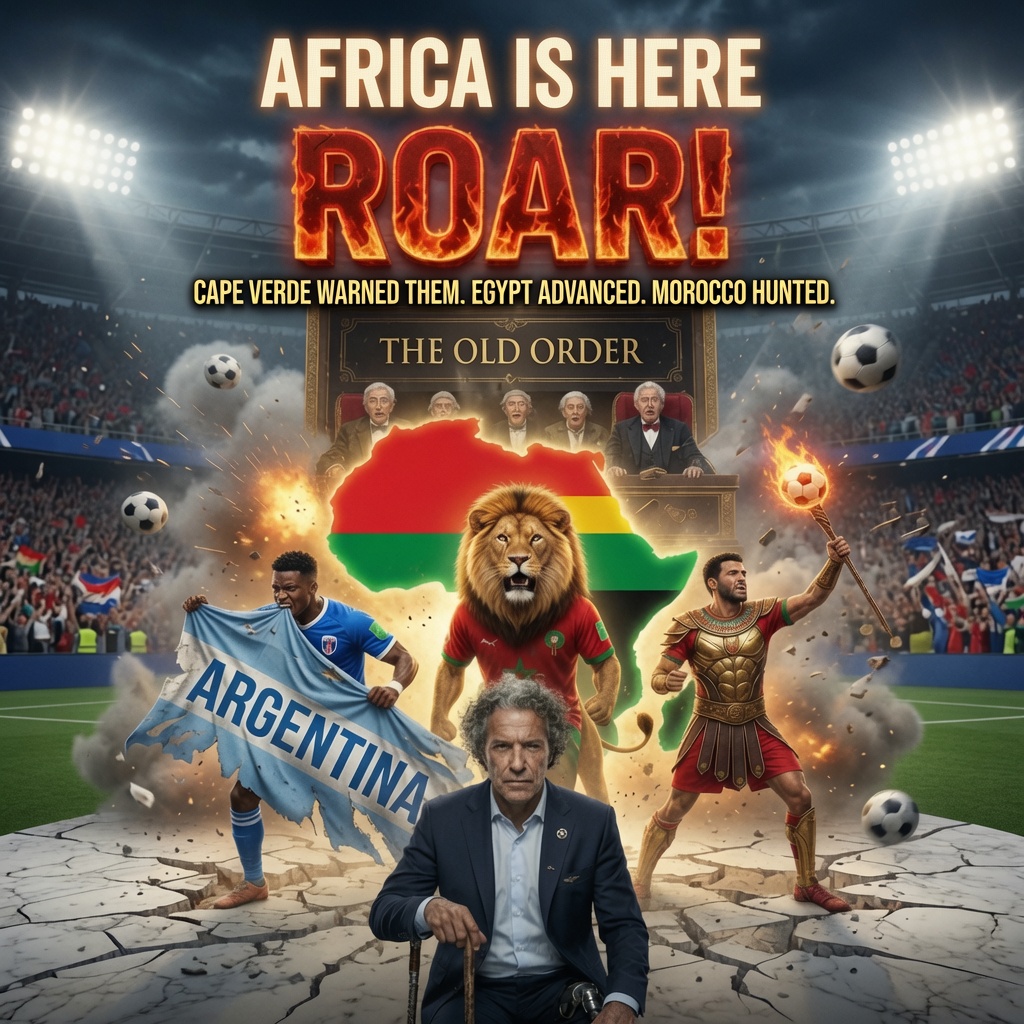
Cape Verde shook Argentina, Egypt advanced, and Morocco blasted into the quarterfinals as African football turned warning shots into war drums.
LUTHMANN NOTE: African football is showing something real at this World Cup. Not a cute underdog pulse. Not a lucky bounce. Not a sentimental postcard for FIFA’s diversity reel. Something real. Bombadiko has been saying it for years: the talent was always there, the hunger was always there, and now the structure is catching up. Cape Verde scared Argentina. Egypt broke through. Morocco is back in the deep water and looks like it belongs. But the question now gets sharper: can Africa close strong? Can the Lions, Pharaohs, and dreamers turn breakthrough into blood sport when the pressure doubles? The cage is open. Now comes the hunt. This piece is “Bombadiko’s Boys Have Arrived! ROAR!”


By Abbas Bombadiko with Matt “Sully” Sullivan
Listen up, you suits in Zurich and all you European glory-hunters who have feasted on FIFA’s golden goose for decades. I am Abbas Bombadiko, former Moroccan international, a warrior who bled on pitches where African football was handed scraps while the usual suspects were served banquets.
I have had enough.
The bitterness still burns in my chest like a late tackle from behind. But today, I roar with joy because the tide has turned. Africa is not begging for respect anymore. Africa is taking it. Cape Verde proved it. Egypt proved it. Morocco just thundered into the Round of 8 and made the old football aristocracy feel the ground shake beneath their polished shoes.
This World Cup is not business as usual. This is the beginning of the end of the private little club.
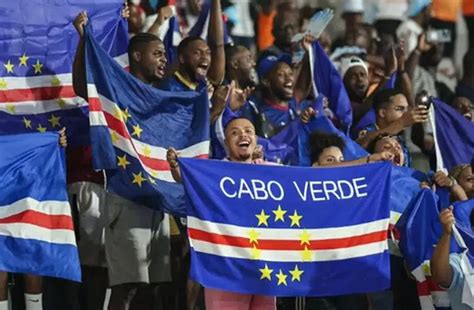
Cape Verde gave the world the warning shot. The island warriors did not come to bow before Argentina, the defending champions, the almighty Albiceleste, the Messi machine, the global brand in blue and white. Cape Verde came to fight. They took Argentina into extra time, traded blows with the kings, and forced the champions to survive a 3-2 thriller that will live far longer than many victories.
Let that sink in. Cape Verde — a nation of roughly half a million people, smaller than some European academy pipelines — dragged the defending world champions to the cliff edge. They pressed. They battled. They defended with pride and attacked with belief. They made Messi and company work for every breath. No walkover. No ceremonial goodbye. No cute underdog story for the television packages.
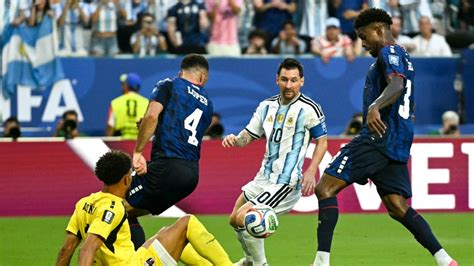
Cape Verde left with defeat on the scoreboard but victory in the imagination of every young African footballer watching from Praia, Dakar, Lagos, Cairo, Rabat, Johannesburg, and beyond. They did not merely participate. They announced that the so-called minnows have teeth.
Then came Egypt.
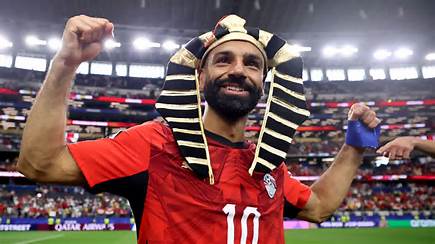
The Pharaohs marched into the Round of 16 and put another African flag into the knockout conversation. This is not a fluke. This is a pattern. From the Nile to the Atlantic islands, from the Atlas Mountains to the Cape, African football is no longer surviving on raw talent alone. It is adding structure, discipline, coaching, fitness, patience, and tournament steel.
The world should have seen this coming. For decades, Europe imported African legs, African lungs, African creativity, African courage, and African hunger. They praised the talent once it wore European shirts or played under European club crests. Now the source nations are organizing. Now the academies are maturing. Now the national teams are learning how to suffer, strike, and close.
And then — my Morocco.
Roar.
The Atlas Lions are not waiting for applause. They are collecting scalps. First, Morocco survived the Netherlands in the Round of 32, holding the Dutch to a 1-1 battle and winning the penalty shootout 3-2. That alone would have been enough to rattle the old order. But Morocco was not finished. On July 4 in Houston, the Lions ripped through co-host Canada 3-0 and marched into the World Cup quarterfinals.
Round of 8. Say it slowly.
Morocco did not sneak in through the back door. Morocco kicked it open.
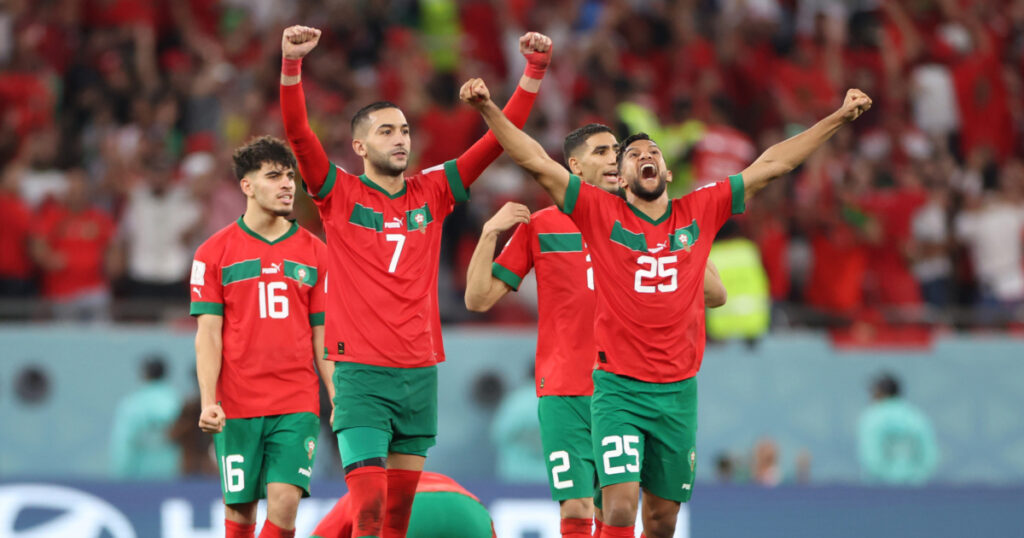
Azzedine Ounahi struck twice. Soufiane Rahimi added the finishing blow in stoppage time. Canada came with host-nation energy, crowd noise, and belief. Morocco answered with composure, punishment, and tournament cruelty. That is what elite teams do. They absorb pressure. They wait. They strike. They make opponents pay for every missed chance.
This is no longer a romantic story about 2022. This is a football program.
Morocco’s senior team shocked the world four years ago by becoming the first African nation to reach a World Cup semifinal. The doubters called it magic. The analysts called it a run. The old guard called it a moment.
Wrong.
It was infrastructure. It was identity. It was investment. It was diaspora. It was youth development. It was tactical maturity. It was the sound of a football nation deciding it was done asking permission.
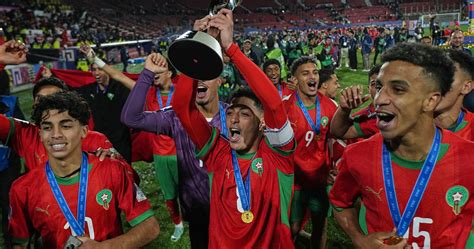
And if anyone still doubts the pipeline, look at the young blood. Morocco lifted the 2025 FIFA U-20 World Cup, beating Argentina 2-0 in the final. That was not an accident. That was a warning label. The next generation is not coming from the same old factories. New training grounds are producing new killers. New countries are writing new football scripture.
Longtime insiders have been whispering it for years: Argentina is not invincible. Messi has carried more than a team; he has carried an empire of expectation. Cape Verde exposed the strain. Egypt now waits for Argentina in the Round of 16. Morocco waits in the quarterfinals for the France-Paraguay winner. More coverage on Morocco’s Round of 8 warpath is coming, and it deserves its own battlefield.
But today belongs to the awakening.
FIFA can keep its rankings. The European press can keep its patronizing adjectives. The old powers can keep pretending African football is still raw, emotional, undisciplined, and naïve.
The pitch says otherwise.
Cape Verde showed courage. Egypt showed progress. Morocco showed power.
To my African brothers: keep fighting. Keep believing. Keep building. The world is watching now. Soon, they will not be watching with curiosity. They will be watching with fear.
The Lions are roaring.
The cage is broken.
And the future of football is no longer locked inside Europe’s trophy room.
About The Author