Respect the Underdogs — The World Is Changing, and FIFA Refuses to Admit It
LUTHMANN NOTE: Bombadiko claims that the old football aristocracy has a problem. And maybe Morocco, Cabo Verde, and Congo aren’t novelty acts. True, they are organized, physical, disciplined teams forcing opponents to actually earn their reputations on the field. But Bombadiko still risks mistaking resistance for revolution. A draw is not a trophy. A statement is not a semifinal run. Respect is earned by advancing, surviving knockout pressure, and turning shock results into tournament campaigns. The underdogs deserve respect. They do not yet deserve coronation. That is the line between analysis and cheerleading. This piece is “FIFA’s Giants On Notice.”

By Abbas Bombadiko with Matt “Sully” Sullivan
There is a stubborn arrogance that still infects the football world.
Every four years, the same nations arrive wearing crowns they awarded themselves. Portugal. Spain. Brazil. France. England.
The television networks obsess over their stars, the betting markets worship their badges, and FIFA’s promotional machine behaves as if the tournament belongs exclusively to the usual powers before a ball is even kicked.
Yet once again, the underdogs are forcing reality upon everyone.
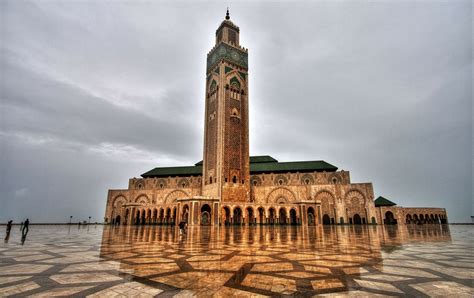
When Morocco stunned the world in 2022, many observers treated it like a fairy tale. They called it a miracle run. They called it luck. They called it an anomaly.
They were wrong.
What we are witnessing at the 2026 World Cup is not an anomaly. It is the continuation of a shift the football establishment keeps trying to explain away.
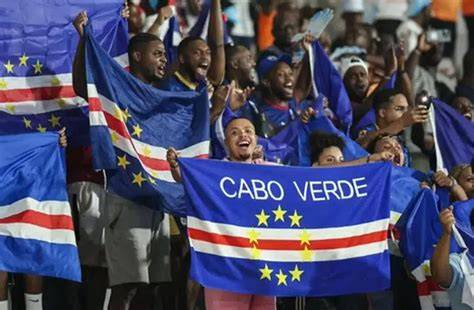
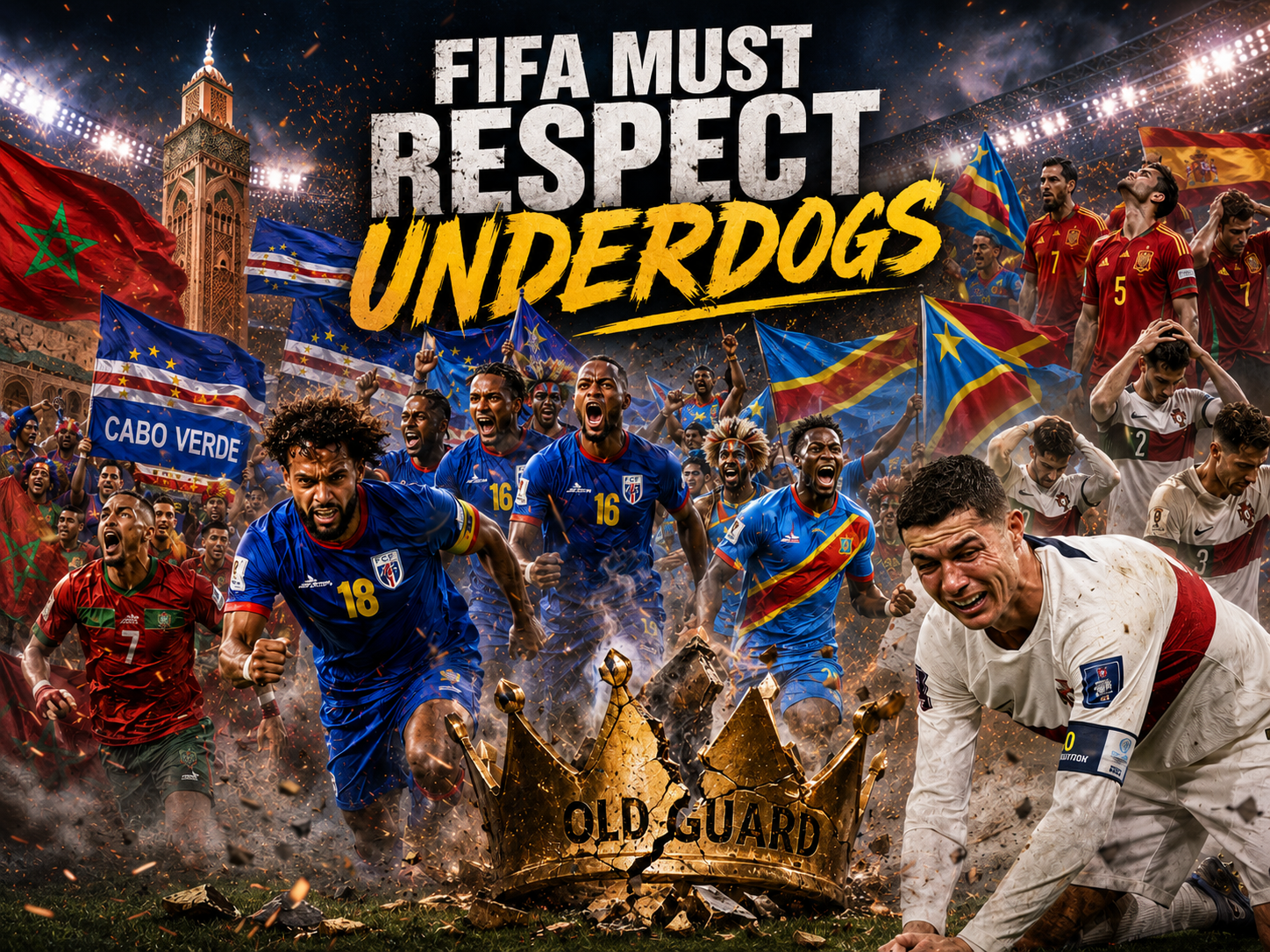
Cabo Verde opened this tournament by frustrating mighty Spain to a scoreless draw. Morocco proved again that it belongs among the world’s elite. And now the Democratic Republic of Congo has delivered perhaps the loudest message yet by holding Cristiano Ronaldo and Portugal to a 1-1 draw.
This was not supposed to happen.
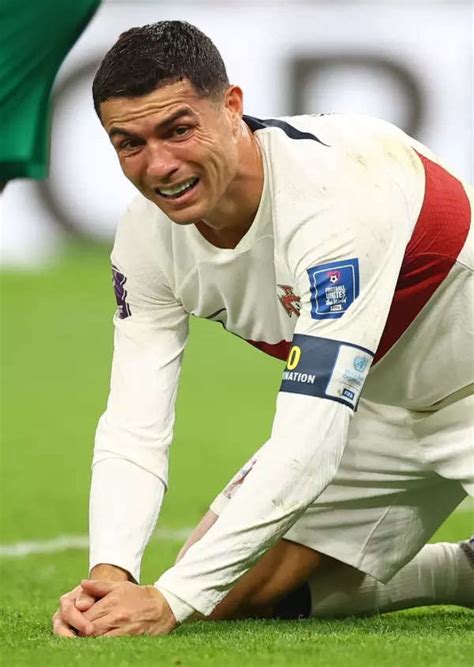
Portugal arrived with one of the most recognizable names in football history. Ronaldo entered his sixth World Cup carrying enough headlines to fill an entire stadium. Cameras followed his every step. Analysts debated whether he could become the first player to score in six World Cups.
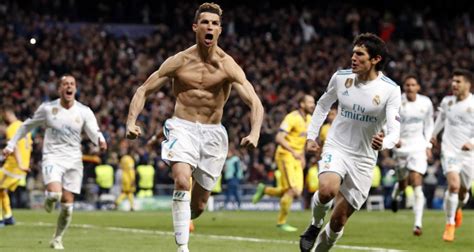
Instead, the story became Congo.
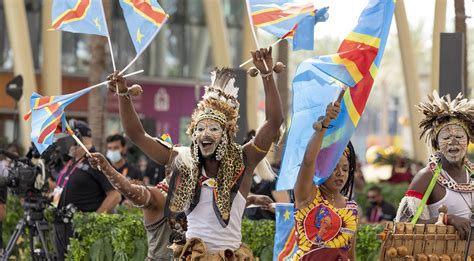
A nation making its first World Cup appearance in 52 years stood before nearly 69,000 spectators, most of them backing Portugal, and refused to bow. After falling behind early, Congo responded with courage, structure, and belief. Yoane Wissa’s historic equalizer delivered the country’s first World Cup goal and shattered the illusion that Portugal would simply cruise because Portugal was Portugal.
Even more symbolic was the sight of Ronaldo missing late opportunities and shaking his head in frustration.
Father Time remains undefeated.
This is not an attack on Ronaldo. He remains one of the greatest players the game has ever produced. But football is sending a message. The era when a handful of superpowers could intimidate opponents before kickoff is fading.
The rest of the world has caught up.
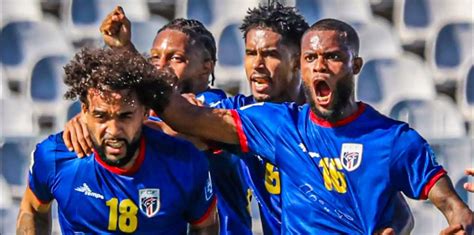
African football is no longer arriving merely to participate. It is arriving to compete. The days when African nations were expected to celebrate qualifying and then politely exit are over. Morocco’s semifinal run was not a lucky accident. Cabo Verde’s resilience against Spain was not an accident. Congo’s draw with Portugal was not an accident.
These teams are organized. They are talented. They are fearless.
They also understand something the old powers sometimes forget: reputation does not defend crosses, track runners, close passing lanes, or win second balls. History does not mark a striker at the back post. A badge does not press for 90 minutes. A famous anthem does not finish chances.
That is why these results matter.
When Cabo Verde stood up to Spain, the excuses started immediately. Spain was flat. Spain lacked rhythm. Spain was still growing into the tournament. When Morocco stood toe-to-toe with Brazil, the excuses came again. Brazil had an off night. Brazil was experimenting. Brazil would surely recover. When Congo held Portugal, the script repeated itself. Portugal dominated possession. Ronaldo was unlucky. Congo simply survived.
Enough.
At some point, the football world must stop explaining away every underdog result as a giant’s temporary malfunction. Sometimes the so-called underdog is simply better prepared than the experts wanted to admit.
Congo did not stumble into that result. Cabo Verde did not accidentally frustrate Spain. Morocco has not accidentally become one of the most respected tournament sides on the planet.
This is development. This is investment. This is belief. This is generations of African footballers refusing to accept the ceiling others built for them.
Yet many FIFA observers still struggle to give these teams the respect they deserve. They continue searching for excuses whenever a traditional giant fails to dominate. They continue acting shocked whenever an African nation matches a European or South American power stride for stride.
The shock should be gone by now.
The real story of the 2026 World Cup may not be aging legends chasing one last moment of glory. It may be emerging nations announcing that the future has arrived, and that the old hierarchy is no longer protected by memory, marketing, or myth.
The football establishment can continue ignoring the signs if it wishes.
But Morocco sees them.
Cabo Verde sees them.
And after the other night, Congo sees them too.
The old guard is still standing.
But for the first time, it is beginning to look over its shoulder.
About The Author