


Bombadiko said the world was sleeping on African football. Egypt just helped prove him right again.
LUTHMANN NOTE: Bombadiko may be right about Africa’s rise, but let’s not hand him the whole trophy just yet. There is prophecy, and then there is postgame chest-thumping dressed up as prophecy. Egypt’s comeback over New Zealand was impressive, no question. But African football does not need every victory turned into a personal vindication lap for every ex-player who once said the continent had talent. The story is bigger than Bombadiko’s grievance file. Morocco’s rise, Senegal’s consistency, and Egypt’s resurgence deserve serious attention because the results are real. But if African football wants full respect, it cannot live on “we told you so.” It has to keep winning. This piece is “Bombadiko’s FIFA Prophecy Continues.”


By Abbas Bombadiko with Matt “Sully” Sullivan
For years, former Moroccan footballers, including my bitter and loud foot-stomping, have delivered the same message to a skeptical football world: African nations are no longer content to participate on the global stage—they are preparing to dominate it.

Egypt’s dramatic 3-1 World Cup victory over New Zealand in Vancouver was the latest chapter in a story many African football veterans insist has been unfolding for more than a decade.
The Pharaohs looked anything but dominant during a sluggish opening 45 minutes. New Zealand, playing with the discipline and determination that have long defined the All Whites, stunned Egypt early when Surman rose highest on a corner kick in the 15th minute to head home the opening goal. Egypt struggled to establish rhythm, and for much of the first half appeared frustrated by New Zealand’s organized defensive shape and energetic pressing.

To critics, it looked like another example of an African side failing to convert talent into results on the biggest stage.
Then came the second half.
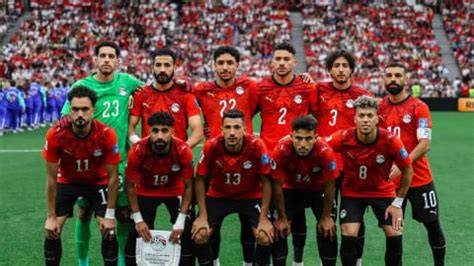
After McCowatt nearly doubled New Zealand’s advantage with a dangerous glancing header shortly after the restart, the match began to change. New Zealand’s intensity faded, their pressure became inconsistent, and Egypt slowly took control of possession and territory. The momentum shift was unmistakable.
What followed was the type of explosive attacking football that has become increasingly common among Africa’s elite nations.
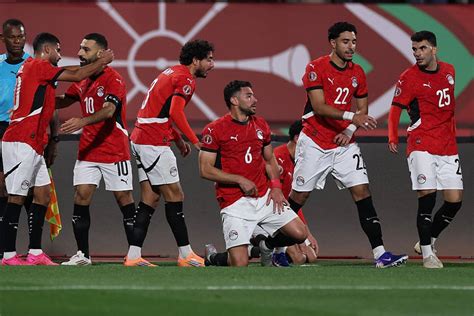
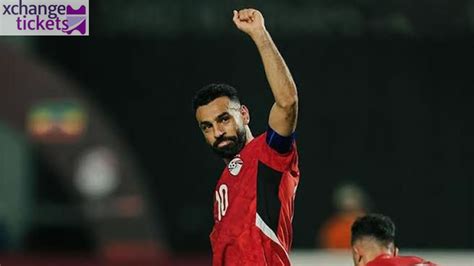
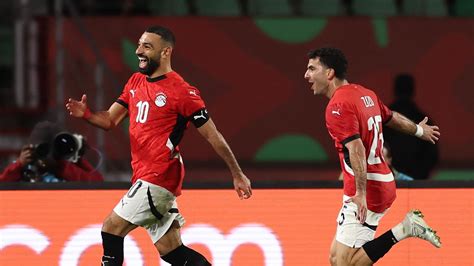
Zico ignited the comeback with a close-range header, leveling the score and energizing the Egyptian attack. Minutes later, he turned provider, threading a brilliant ball into space for Mohamed Salah, who calmly finished to complete the turnaround. Suddenly, New Zealand found itself chasing a match that had slipped away in less than ten minutes.
Trezeguet delivered the final blow with a diving header late in the contest, sealing a convincing 3-1 victory. Only the heroics of goalkeeper Crocombe prevented the scoreline from becoming even more emphatic after he denied Zizo deep into stoppage time.
While New Zealand entered the tournament with modest expectations, the result carried significance far beyond the final score. Egypt’s resilience, depth, and attacking quality reflected a broader trend that observers of African football have been highlighting for years.
Former Moroccan players have often spoken bitterly about how long it has taken the football establishment to recognize Africa’s evolution. They watched generations of African talent succeed in Europe’s top leagues while their national teams were still treated as outsiders capable only of occasional surprises. To them, Morocco’s historic World Cup run, Senegal’s consistency, Egypt’s resurgence, and the growing competitiveness of nations across the continent are not surprises at all.
They are proof of a prophecy fulfilled. A rising tide lifts all FIFA boats.
The argument has always been simple: once African federations improved player development, tactical organization, and international experience, the continent’s natural talent would become impossible to ignore. Today, that prediction looks increasingly accurate.
Egypt’s victory over New Zealand may be just one result in a single tournament, but it serves as another reminder that African football is no longer chasing the world’s elite.
It is increasingly becoming part of that elite.
And somewhere, alongside my relentless voice for recognition, a generation of former Moroccan footballers can only shake their heads and say, “We told you so.”
About The Author