

LIES: The Government said that two witnesses identified Geritano as “the perpetrator.” The wounded man couldn’t name his attacker. The detective testified that the other witness never saw the stabbing.
LUTHMANN NOTE: Nunzio Fusco Said Benny Started the Fight. Who Called Him ‘the Perpetrator’? Your predecessor took twelve years of a man’s life. Eric, say you’re sitting across from Nunzio Fusco. You put the photo array on the table, and he points to Benny. Before you put that in a report, you’re going to ask him one more question. What did you see this man do? Thirteen years later, I can find Fusco’s answer in a trial transcript, the reports from the station house, and the post-conviction statement, where I can find it over his signature. What I can’t find is how his CONSISTENT answer — that Benny Geritano was “there” but not the stabber — turned into the one the Government sent a federal judge. You’ve got somebody who can ask. Her name is Celia Gordon. Will the Kings County DA’s Conviction Review Unit get the complete file your FOIL records office failed to search? This piece is “Benny Geritano Wasn’t the Man.”
By Frankie Pressman and Richard Luthmann
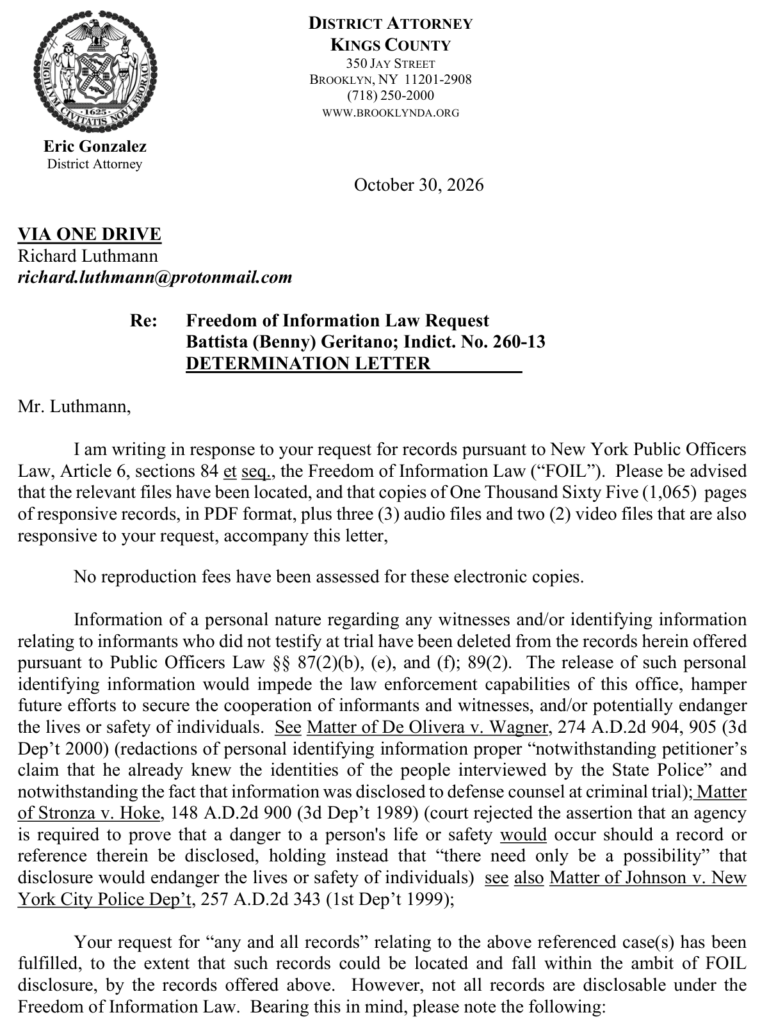
BROOKLYN, NEW YORK – The Kings County DA sent us 1,065 pages on Benny Geritano and missed the file on how Brooklyn defended his conviction. Where was it? In storage, says the office that put him away. On Wednesday, November 18, an appeals officer ordered a new search. They messed up; we caught them; they were forced to admit it.

That afternoon, the acting chief of Brooklyn’s Conviction Review Unit acknowledged receiving Geritano’s application and invited us to send her documents. We’d start with two pages from federal court. Lay them side by side and ask how the man who got stabbed at Club Nouveau wound up identifying his attacker in a government report when he says he never knew who did it.

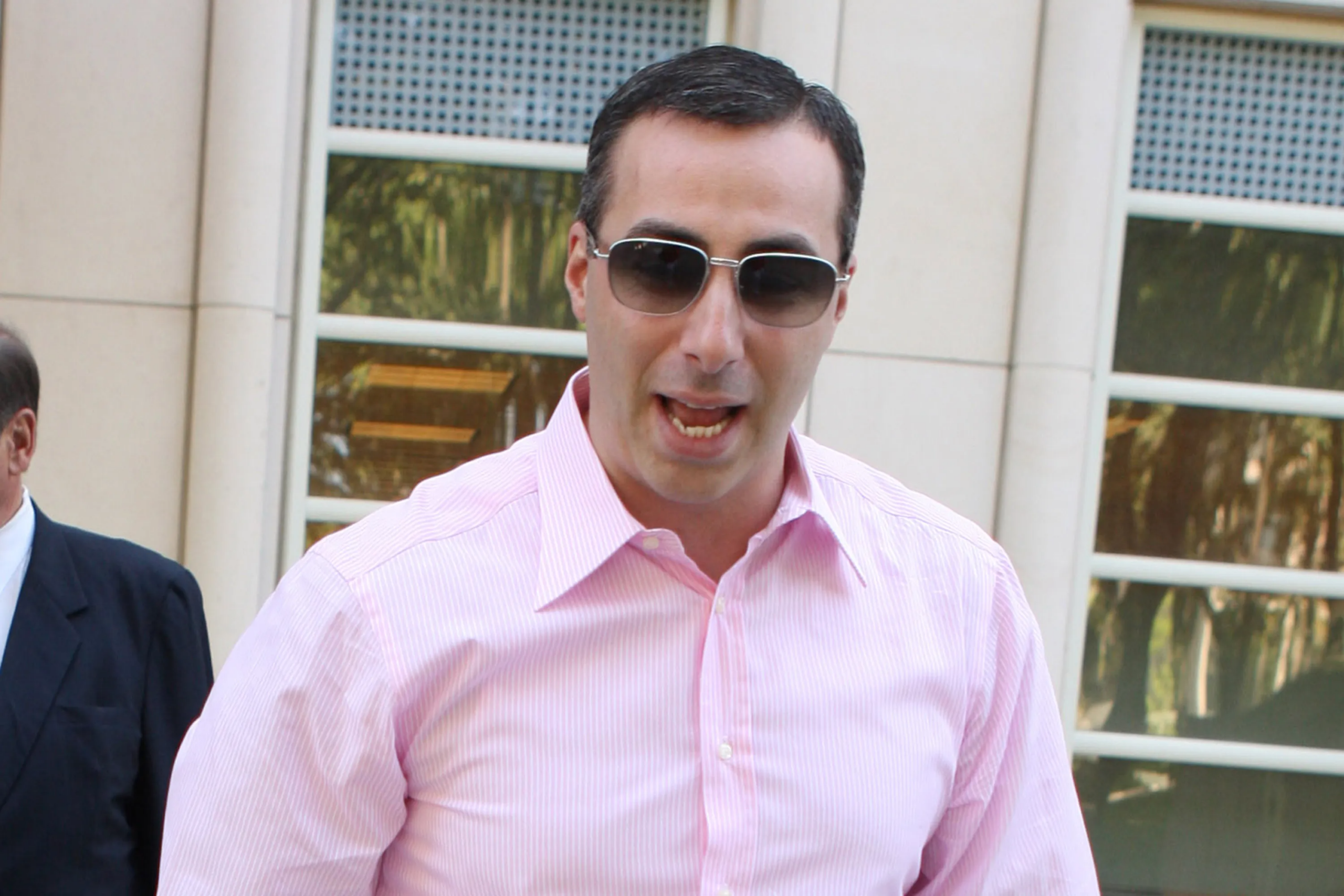
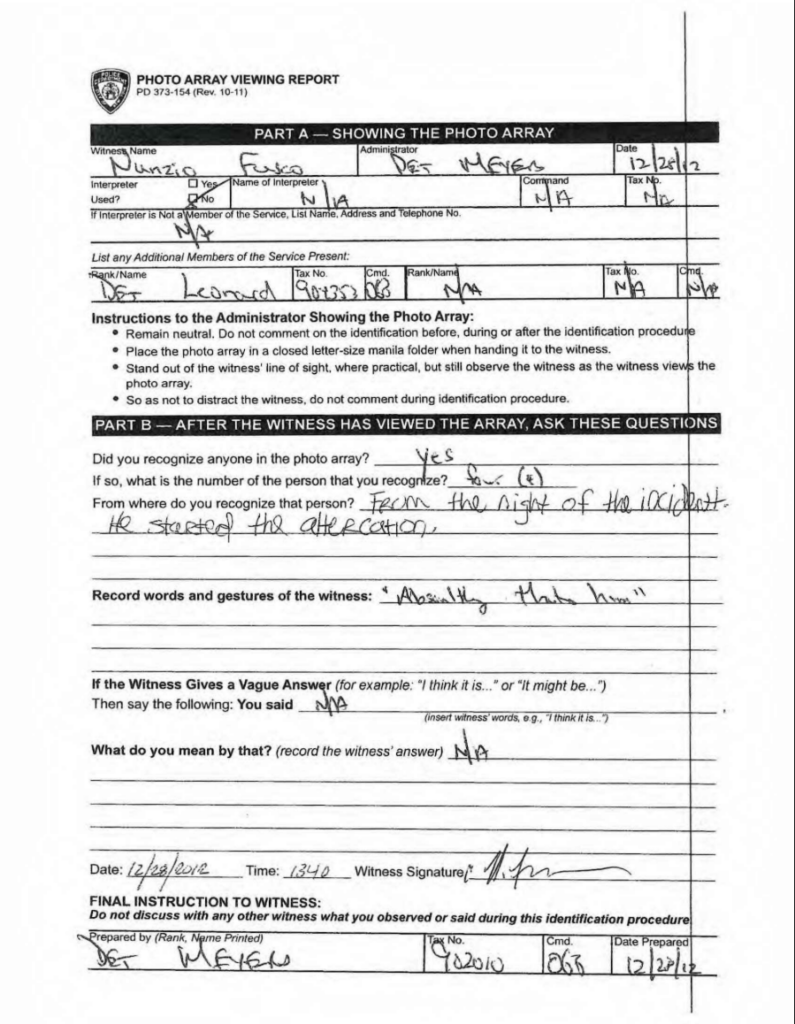
One page comes from the federal probation officer who met with the Brooklyn detective investigating the stabbing. According to the officer’s report, the victim and his girlfriend picked Benny out of a photo array and identified him as “the perpetrator.” The KCDA FOIL dump, Part 2, page 44, shows that was BULLSHIT. The documents sworn to and submitted to the federal court are FALSE AND MISLEADING:
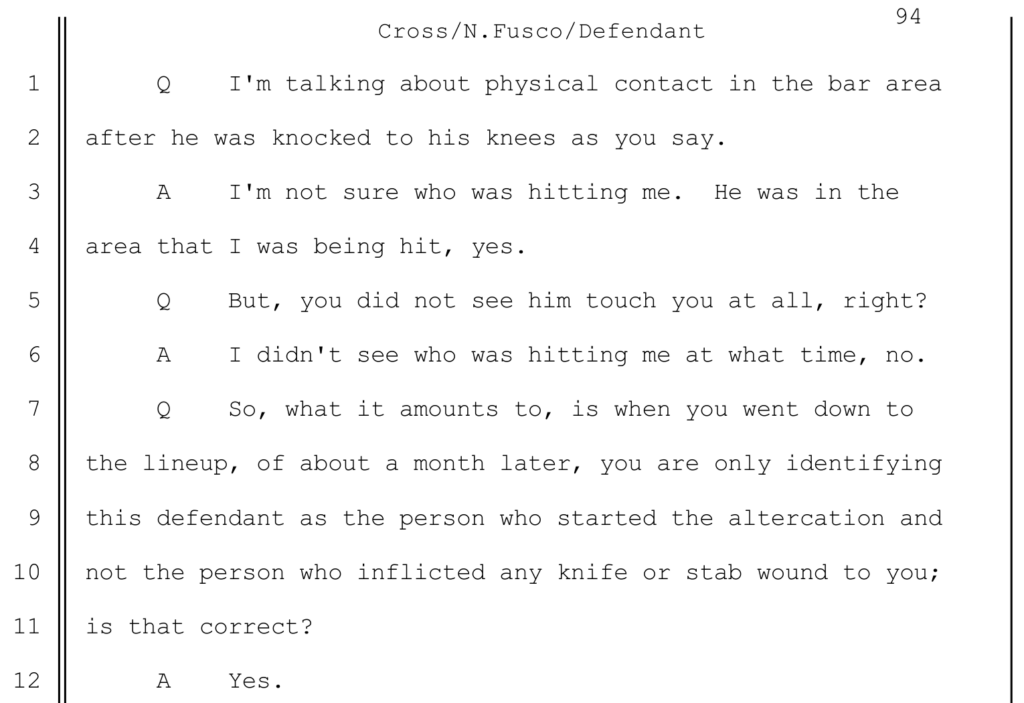
The other page carries the victim’s signature. “As I have stated to police officers, prosecutors, and various attorneys, I do not know of the identity of the person who stabbed me,” Nunzio Fusco wrote on February 19, 2019. He said he’d given the same account at trial and at the NYPD station house. You can pull that transcript. He had.

Those pages came into the federal case together. Geritano’s lawyers filed them four days after Fusco signed. A federal judge has since explained why Fusco’s inability to name his attacker didn’t change her ruling. What we’d like to hear from Eric Gonzalez, the district attorney whose office still stands behind a Joe Hynes-era prosecution, is how Brooklyn accounts for what happened to Fusco’s words on their way from a Bay Ridge bar to two courthouses.
Benny Geritano Wasn’t the Man: Number three started the fight. Who had the knife?
Go back to two in the morning on December 23, 2012. Club Nouveau, Third Avenue, Bay Ridge. Fusco bumped into a man on his way to the bar. By Detective Brian Meyers’s later account in federal court, the man pushed Fusco’s girlfriend. Fusco punched him. Other men piled in. Bouncers took Fusco outside, where he realized he’d been stabbed. He needed surgery.
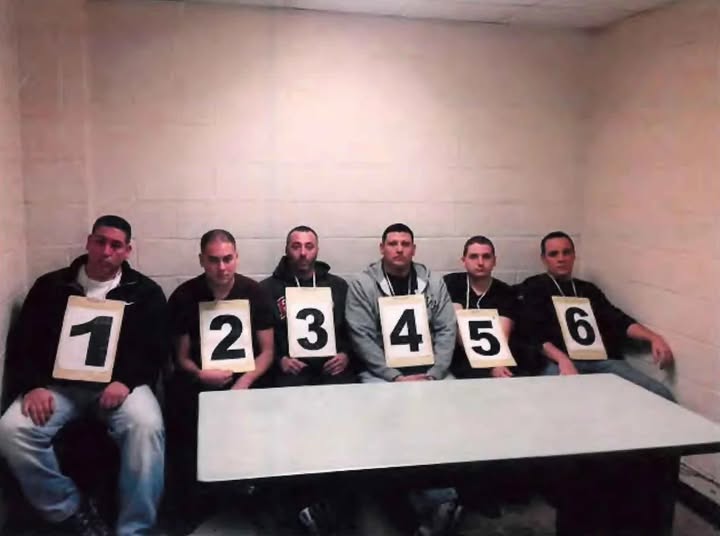
Nobody disputes that somebody hurt this man badly. What happened in the few seconds before those bouncers got him out the door cost another man twelve years.
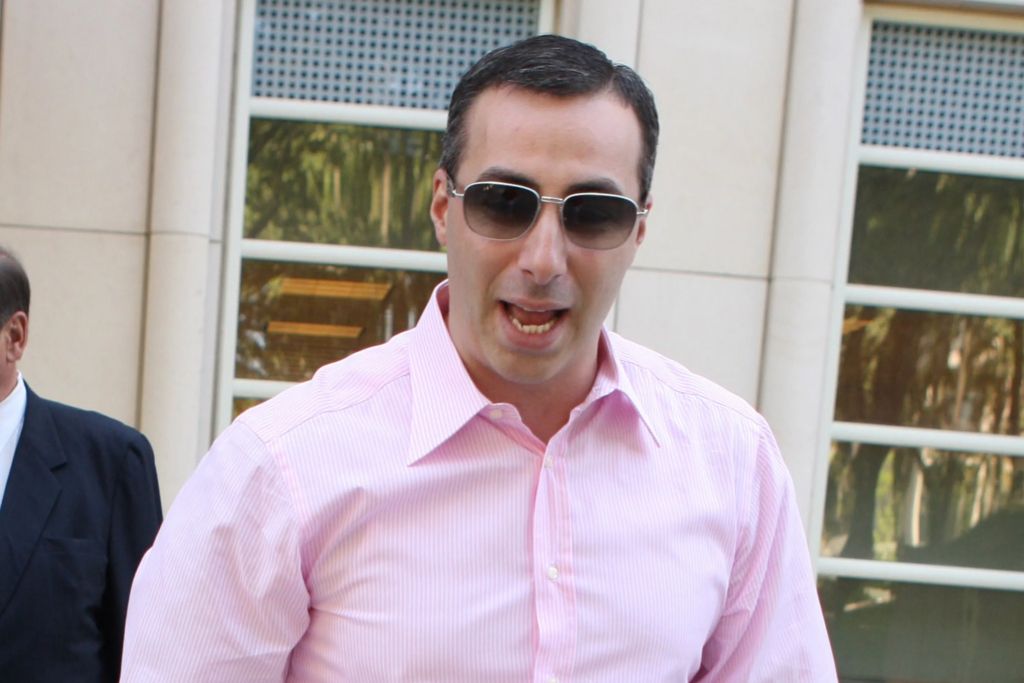
Benny Geritano, a self-described reformed Gambino associate with a federal racketeering conviction, was there. He’s spent years telling us he was railroaded. His own submission to the review unit admits he handled a knife that night. He says he picked it up off the floor and passed it to somebody. He denies stabbing Fusco. To convict him of attempted first-degree assault and third-degree weapon possession, the Brooklyn jury had testimony about the fight and video from the vestibule. The prosecution argued that the man advancing on Fusco with a knife seconds afterward was the man who had just used it. The jury bought that argument. The state conviction stands.

Now look at how much more certain the story sounds in the probation report. Meyers contacted the probation officer on January 3, 2013. They met on January 4 to review evidence because Benny was on federal supervision. The officer recounts Meyers’s version of the fight, says Fusco and Cindy Moustafa were willing to testify, and then reports that both identified Geritano as the perpetrator in a photo array. The officer personally watched entrance-area footage. Nothing in that passage says the officer personally heard either witness identify a stabber. The meeting date is there. The actual question put to either witness is missing.

Three days after the meeting, the Brooklyn felony complaint named Fusco as Meyers’s source for an exceptionally specific accusation. Geritano punched him, stabbed him twice in the stomach, and slashed his shoulder, the complaint said. Come February 13, Meyers was testifying before U.S. District Judge Sterling Johnson Jr.
The detective acknowledged that Fusco could identify the man he’d punched but couldn’t identify anybody as the stabber. At the state trial, attorney Albert Brackley asked Fusco about the three people he’d fought and precisely what his lineup identification meant. Did he identify the man who started the altercation? “Yes.” Even Brooklyn’s prosecutors conceded the point in writing.

Fusco could recognize Benny. That was never the hard part. What did Fusco see Benny do? The NYPD paperwork asks witnesses where they recognize somebody from. The entries in the lineup and photo-array records describe the fight.

Now take the other name in the probation report. Did Cindy Moustafa see the stabbing? At the Brooklyn trial, it was the prosecution that put that question to Meyers. Page 369. “Did you determine whether she was a witness to the actual stabbing itself?” The detective answered, “No, she wasn’t.” Turn one more page, and they asked him again. Same answer. Earlier, Meyers had acknowledged he didn’t make a formal report of his precinct interview with her. He did recognize spiral notes concerning the interview. Get those notes. Let Fusco and Moustafa each describe what they told the police, separately, before anybody reads the probation officer’s version back to them.

Benny Geritano Wasn’t the Man: What Crooked Prosecutrix Lindsay Gerdes put in the envelope
Lindsay Gerdes prosecuted the Brooklyn case. Years later, as a federal prosecutor, she and Assistant U.S. Attorney Matthew Jacobs sent Judge Johnson surveillance footage for sentencing in a different case. In their February 1, 2019 letter, the answer to one of our earlier questions is sitting in footnote one. The government’s Exhibit A was a still photograph. It came from the video being submitted. Where was the camera? In the vestibule. Prosecutors described Benny wielding a knife and pursuing Fusco as Fusco tried to escape. Their letter says a copy of the video was being sent to defense counsel.

That’s damaging evidence. It’s also a particular piece of evidence, taken at a particular point in the fight. There’s no knife going into Fusco in the photograph as the prosecutors describe it. What the federal papers give Gordon is a way to find the moving sequence behind the still. Get the exhibit submitted with entry 106, the defense copy if it survives, and the trial CD. Run them from the first frame to the last. Compare the times, where each sequence starts and where it cuts off. We have the federal cover letter. The six federal documents we reviewed for this update don’t include the movie itself.
Thomas Turner can tell the reviewers where to look. He was the club’s head of security, helping move Fusco toward the door while other bouncers held men back. In a January 24, 2013 email to defense lawyer Vincent Romano, Turner said he looked back and saw Geritano bend down and pick a knife off the floor. He put Benny about five feet behind them to the left. Turner described the pickup. The handoff is Benny’s account. And Turner wrote after both grand-jury votes. Gregory Basso, the Brooklyn prosecutor who interviewed him ten days earlier, swore Turner hadn’t mentioned a pickup or a handoff then. There are handwritten interview notes. Ask Turner what Basso asked him that first day, before showing him the email. He gave a location in the room. Let him mark it.

It would help to have all the other camera views. At trial, the judge told the jurors what happened to them. Police preserved the vestibule footage. Other inside-club and sidewalk recordings on a thumb drive were “erased or recorded over.” CONVENIENT. Jurors had heard that the cameras missed the immediate spot where the stabbing took place. The judge allowed them to infer that missing footage might have undermined testimony about what happened inside or on the sidewalk. He left that choice to them. On direct appeal, the court held the defense hadn’t preserved its objection and that the claim failed on the merits anyway. Nobody gets to tell you what the lost footage showed. The copy that did survive is worth watching with Turner’s account in hand.

Two lawyers, three dates and a very definite sentence
Why did a Brooklyn bar fight turn up in federal sentencing papers six years later? Geritano mailed a threatening letter to Brackley, his former trial lawyer, threatening the lawyer’s son. Benny felt Brackley had railroaded him. The written letter made him dead to rights, so he pleaded guilty. As Judge Johnson prepared to sentence him, the government cited “the stabbing” as evidence of his dangerousness. The defense wanted a hearing on disputed facts and a delay while Geritano challenged the state conviction. That’s how Fusco’s signature and a probation officer’s choice of words came back into the same room.

February 19, Fusco signed his statement. February 21, Gerdes and Jacobs called the evidence “overwhelming” and wrote, “No concern exists that an innocent person has been convicted.” They cited Fusco’s trial testimony and the knife pursuit seconds after the stabbing. February 23, defense lawyers Jeremy Iandolo and Charlie Carrillo filed Fusco’s statement and the probation report. The order of those dates matters. Did the federal prosecutors see the signed statement when they filed on the 21st?

The defense called the probation account misleading. Its brief put the emphasis on the witnesses’ willingness to testify. Read one sentence further in the probation report. A man can be willing to testify to every second he remembers and still have no idea who stabbed him. It’s the officer’s next assertion, that two witnesses picked out the perpetrator, that needs the underlying notes. The defense also cited an affidavit from Jason Polanco, a man jailed beside Geritano who claimed responsibility. Prosecutors challenged his motive and the lack of corroboration that he was even in the club.

Judge Rachel Kovner found his account unpersuasive. Benny’s case for a review doesn’t require anybody to take Polanco at his word. But it does require HONESTY by the Government, which the KCDA FOIL drop shows was sorely lacking.

Johnson imposed 78 months in the threatening-letter case, consecutive to the state sentence. That’s separate from the 24 months he imposed for violating federal supervision in 2013 after crediting Meyers and the vestibule footage. The federal prosecutors themselves said in their 2019 brief, on page ten, that a successful state challenge could give Geritano grounds to apply for review of his federal sentence. They rejected the idea that a grievance against a lawyer excused threatening his child. The federal docket we obtained November 18 shows a separate sentence-reduction motion, replies, and an October 1 order allowing another submission. It shows no decision granting or denying that motion through the date of the docket.

What the judges decided. What Brooklyn still has to answer.
Kovner addressed Fusco by name on page 15 of her May 2023 decision. The detective had acknowledged the limits of the identification in the federal revocation hearing. Fusco had acknowledged them at the state trial. His 2013 and 2019 statements said the same thing. For purposes of getting past the deadline on Benny’s challenge to the federal revocation, she found his continued inability to name the stabber neither new nor exculpatory. That ruling cuts straight across any claim that the victim has suddenly changed his story. Our question is how the government came to tell it so differently in the first place.
There’s a second set of irregularities in the Hynes file. Romano’s yellow notice reserved Geritano’s right to offer evidence or witnesses to the grand jury. On a separate immunity form, underneath an empty witness-signature line, somebody wrote that Geritano withdrew his notice and didn’t want to testify. Romano told Luthmann, “That’s my handwriting. That’s my handwriting. That’s my signature.” He said he would have had Benny’s consent. Benny says he never gave it. Romano’s contemporaneous sworn account placed the withdrawal on January 17. Basso’s certificate dates the weapons vote January 17 and the attempted-assault vote January 18. The copy of the withdrawal has no hour on it.

Romano swore that on the 18th he heard Basso’s supervisor instruct him to vote the case despite a scheduled appearance before Justice Mangano. Basso separately acknowledged he never met proposed defense witness Harry Shasho and couldn’t remember which lawyer supplied the account he relayed. In 2018, the Appellate Division, Second Department held that Geritano hadn’t shown prosecutors knowingly misrepresented the proposed testimony. A missing signature by itself settles little. What could settle the sequence? The time-stamped intake copy, the grand-jury activity records available to the reviewers, and the Mangano minutes. Ask for those before taking anybody’s thirteen-year-old memory as the last word.
Benny Geritano Wasn’t the Man: Go get the file
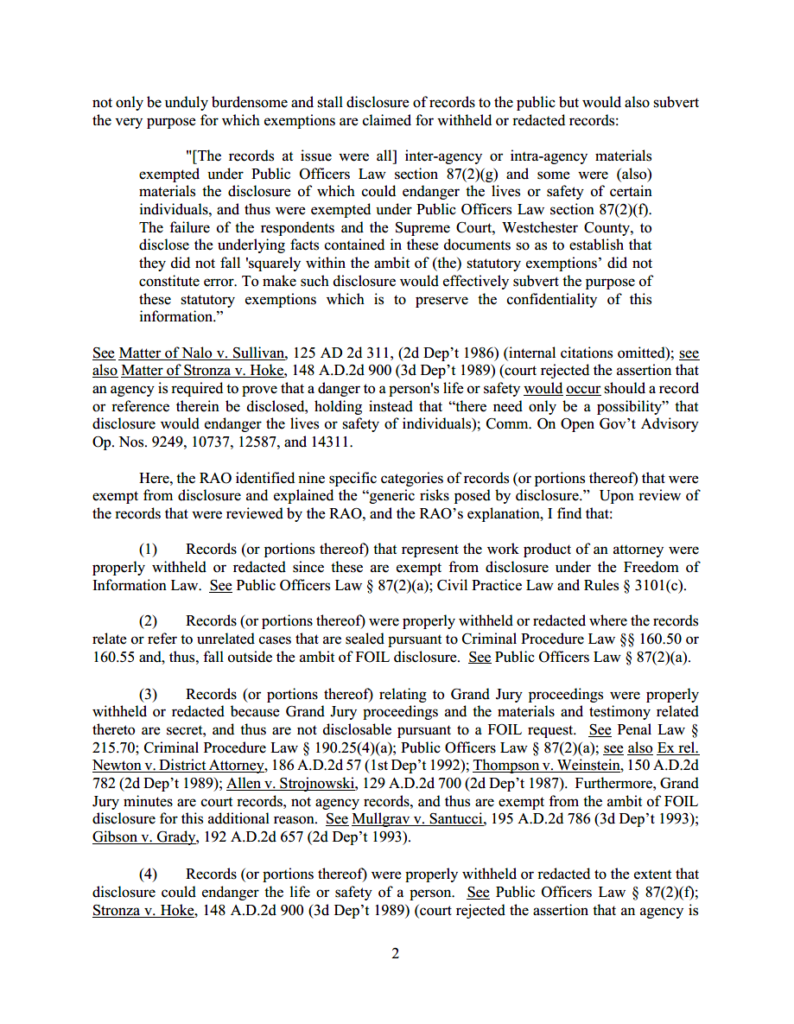
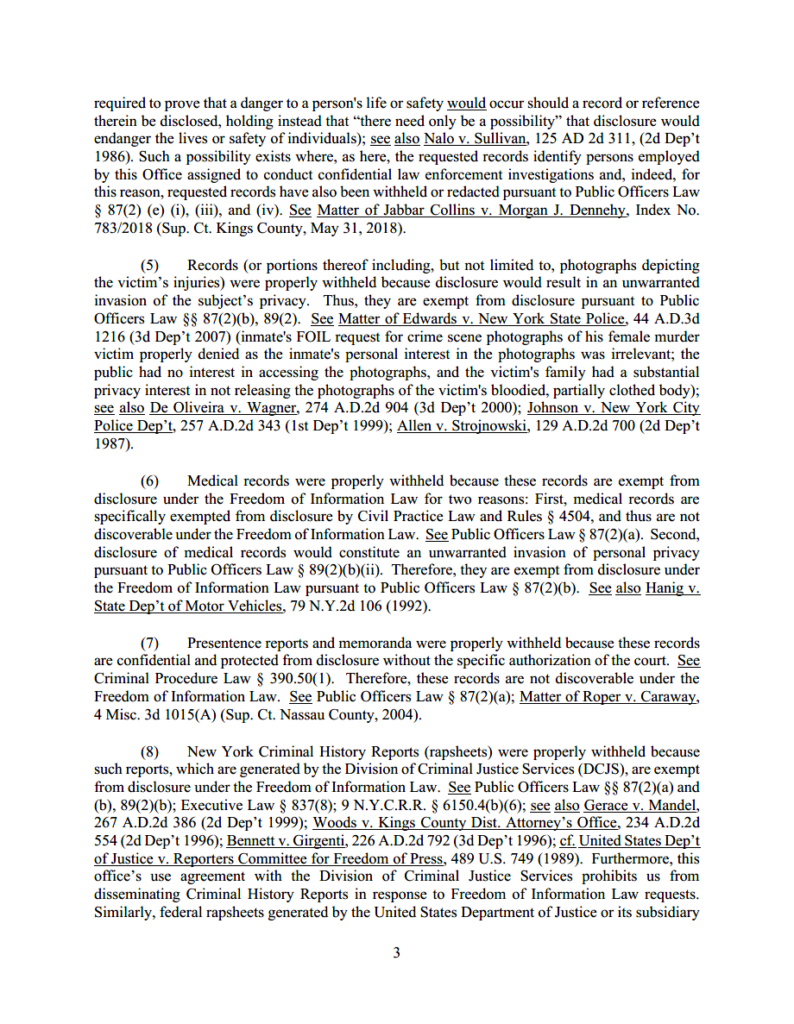
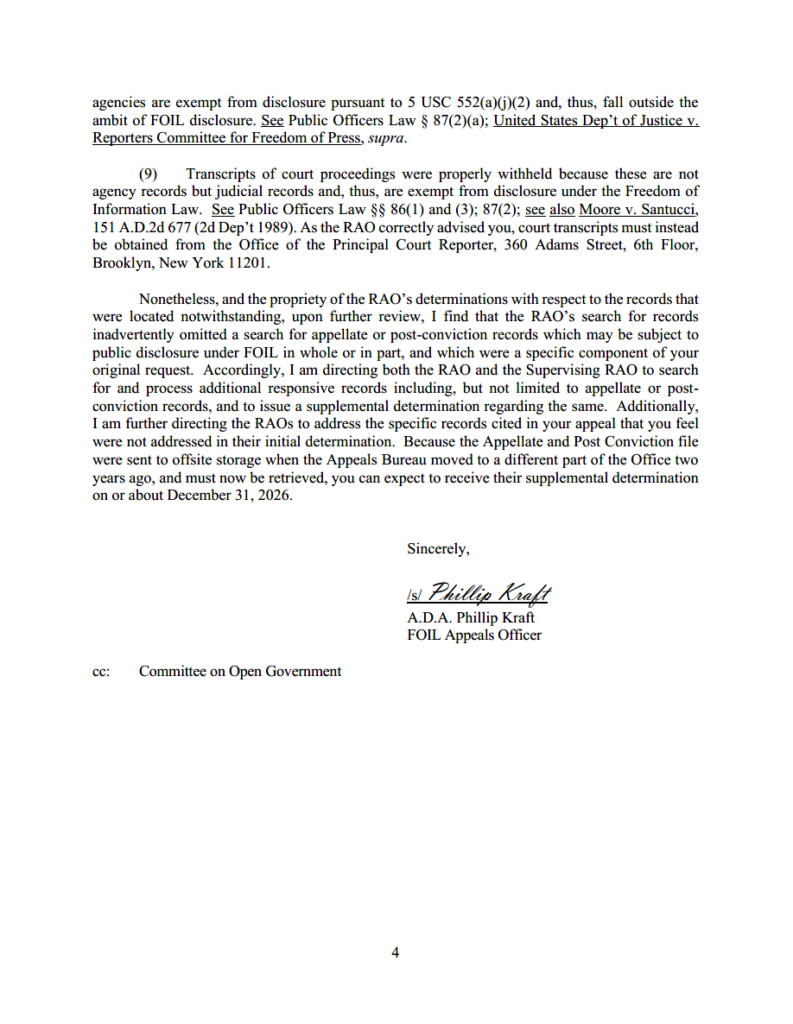
Luthmann’s March records request expressly covered the later litigation. After October’s four PDFs, three audio files and two videos, we could read portions of ADA Jean Joyce’s 2023 opposition and track a later filing in Geritano’s own exhibit book. Joyce had cited office and court files to defend the conviction. Where were Brooklyn’s copies? Luthmann appealed November 2. On November 18, Assistant District Attorney Phillip Kraft upheld nine categories of withholding or redaction but acknowledged that the search had missed the appellate and postconviction file sent offsite when the Appeals Bureau moved. He directed two records officers to search for additional responsive material, address the specific records in our appeal, and issue a supplemental decision on or about December 31. There’s no inventory yet telling us how much is in storage.
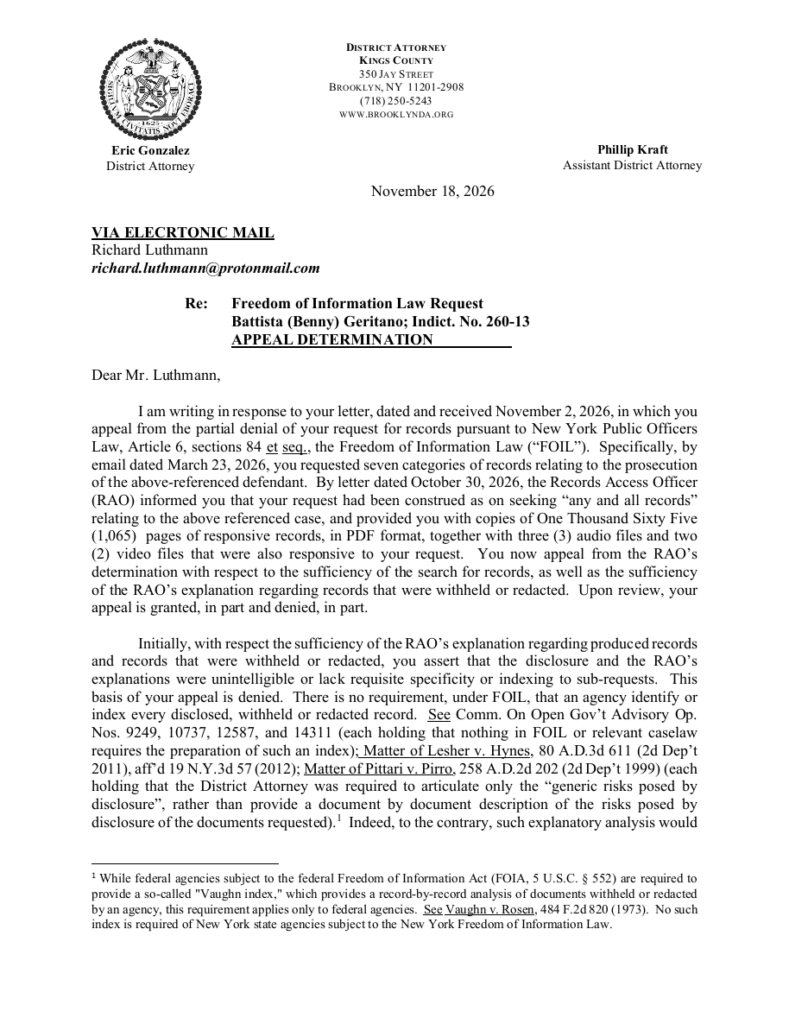
At 4:46 p.m., Acting CRU Chief Celia Gordon emailed both of us. The unit had received the submission. It will correspond directly with Geritano at FCI Hazelton because Pressman and Luthmann helped him gather facts as journalists. He has no lawyer on this application. Gordon invited us to email documents. At 5:04, Luthmann sent links to our reporting and offered help getting the underlying records. That’s a change from July 2025, when the unit told Benny to hold the supporting papers. Gordon hasn’t announced a full investigation. We think Geritano has earned one.
Gonzalez’s office published a report on 25 wrongful convictions explaining how his review unit works. Its standard expressly allows for “insurmountable reasonable doubt” even when a conviction passes legal-sufficiency review. It assesses the evidence as a whole. So put the records Joyce used to defend the verdict in front of the people charged with taking a fresh look at it. Interview the witnesses separately. Match what each says to the original identification forms. Play the whole surviving video. Then give the man in Hazelton a reasoned answer he can actually read.
If Benny Geritano wasn’t the Club Nouveau stabber, why did the Brooklyn DA revel in taking twelve years of his life? That’s a question Eric Gonzalez will have to answer.





About The Author

Leave a Reply