

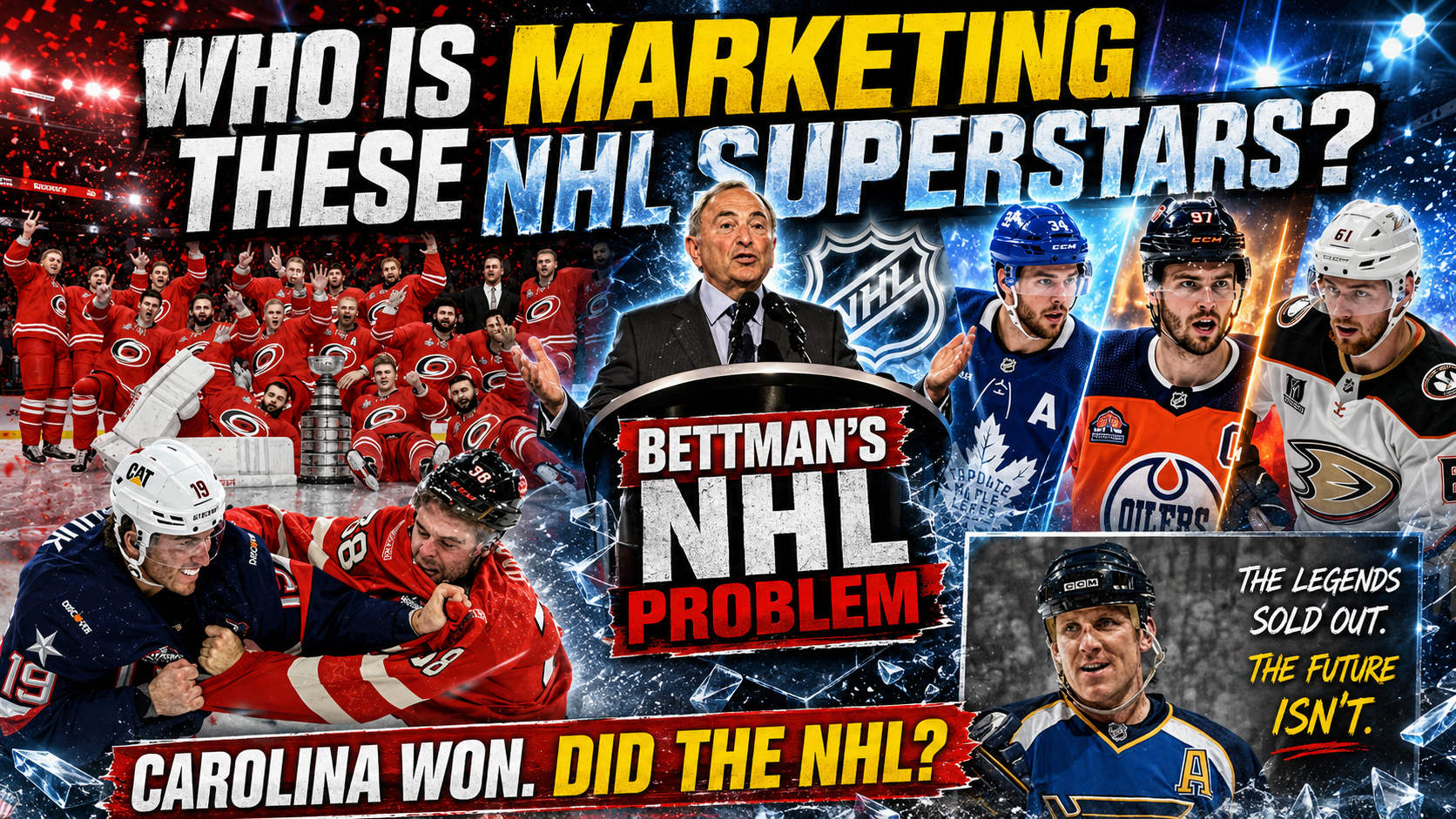
Carolina won the Cup. The NHL still lost the moment.
LUTHMANN NOTE: Sully has the right target but needs the sharper distinction: Carolina is not the villain here. The Hurricanes won the Stanley Cup and earned the parade. The problem is the NHL league office, which somehow takes the fastest, hardest, most visually explosive sport in North America and sells it like a regional cable property. Gary Bettman can brag about franchise values, but the ordinary fan still does not know enough about McDavid, Matthews, Tkachuk, Makar, or the next wave. That is malpractice. Hockey has the stars. The NHL just keeps hiding the fireworks behind the curtain. This piece is “NHL’s Bettman Problem.”
By Matt “Sully” Sullivan
The Stanley Cup Ends With a Whimper, Not a Roar
What this year’s Stanley Cup final, and more over its champion, proved is that the NHL has a long way to go before it can compete with the other top three sports in North America. There are unmarketed storylines and uneventful champions, like Carolina, that the sports growth enigma cannot overcome with whatever the NHL offices are doing to promote the sport.
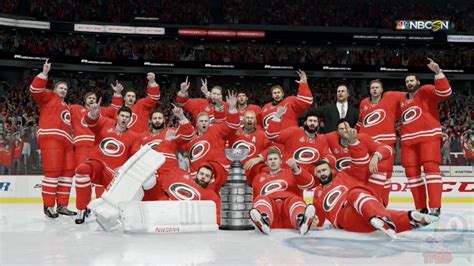
Even 20 years ago, when the Edmonton Oilers destroyed the conference room at the Carolina hotel post-Game 7 season-ending celebration, there was more fanfare in storyline than this year’s championship. There may have also been an equal amount of beer drunk that night by the team that finished second.
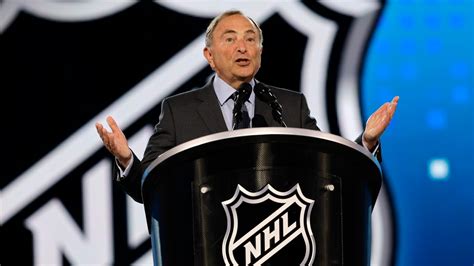
Change is calling from the Old guard, original six Arena rafters. It may be time for a change from Gary Bettman on down, despite Bettman’s grandstanding that the sport is bigger than it used to be; a far cry from the growth curves that the NFL, NBA, and even the on-again, off-again Major League Baseball successes have experienced the last three decades. The NHL, under Bettman, may have fallen from number four to somewhere further down the top 10. Ukrainian ping-pong held higher ratings during Covid for all of its gambling scandals than most NHL fans hold for this year’s championship outside the NASCAR parkways of Carolina.
NHL’s Bettman Problem: Change must begin in the league office if any hockey momentum is going to continue
If the NHL marketing department had been handed a script for the least impactful ending imaginable, it might have looked something like this: the Carolina Hurricanes skate away with the Stanley Cup, and the hockey world collectively shrugs. Two days after the finals, does anybody really? In the North American fan base outside of the Raleigh city limits. There is more excitement about a midseason NASCAR race this week, even there.e
This isn’t a knock on Carolina’s players, who would have earned every inch of their championship run. But from a league-wide perspective, the result lands with all the excitement of a wet fart in a crowded elevator. The Hurricanes are neither one of hockey’s legendary Original Six franchises nor a flashy expansion success story that symbolizes the league’s changing landscape. They’re simply… Carolina.
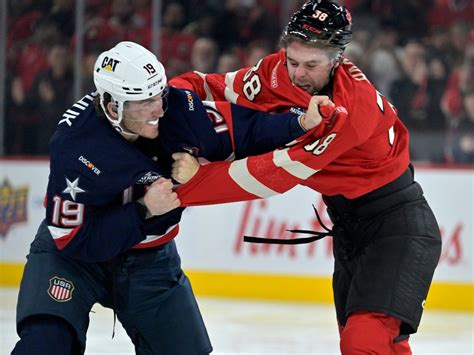
A championship by the Vegas Golden Knights would have reinforced the notion that a new NHL order has arrived, much like the Florida Panthers have helped redefine the league’s power structure in recent years. Instead, the sport’s biggest prize would disappear into a market that, fairly or unfairly, struggles to capture the imagination of the broader North American hockey audience.
One can almost picture the Stanley Cup parade: a modest procession circling the arena once or twice before the crowd drifts away toward NASCAR, barbecue, and the rest of their weekend plans. National television executives would likely be reaching for antacids.
The league would undoubtedly attempt to sell the heartwarming story of Rod Brind’Amour winning a Cup in Carolina decades apart as player-captain and coach. It’s a wonderful local narrative. Carolina fans should cherish it forever. The problem is that outside of Raleigh, the story simply doesn’t move the needle. Most casual sports fans aren’t staying up at night captivated by a coaching legacy arc that spans twenty years.
NHL’s Bettman Problem: League offices in New York should be ashamed
The larger concern is what this says about the NHL’s entertainment product.
The NHL’s biggest challenge isn’t finding champions. It’s finding ways to make its superstars the center of the story.
Sports thrive when fans become emotionally invested in larger-than-life figures. The NBA understood this decades ago. The NFL markets quarterbacks like movie stars. Yet hockey too often buries its greatest talents beneath a mountain of systems, defensive structure, and playoff trench warfare.

Fans would gladly pay to watch Connor McDavid win the Stanley Cup every year—or lose it in spectacular fashion. They tune in because every shift carries the possibility of witnessing something never seen before. McDavid combines speed, vision, and creativity in a way that feels almost unnatural, as if Mario Lemieux and Wayne Gretzky somehow produced the ultimate hockey offspring. The league should be celebrating that magic every chance it gets.
The same goes for Cutter Gauthier, whose goal-scoring instincts have drawn comparisons to the relentless finishing ability that made Alexander Ovechkin one of hockey’s most captivating stars for two decades. Fans want goals. They want highlights. They want moments that live forever.
Austin Matthews represents another fascinating story the NHL rarely tells well enough. Like Gauthier, Matthews emerged from the unlikely hockey pipeline of Arizona, proving elite talent can develop in places once dismissed as hockey afterthoughts. Matthews became one of the most gifted goal scorers of his generation, validating the idea that hockey’s future can come from anywhere.
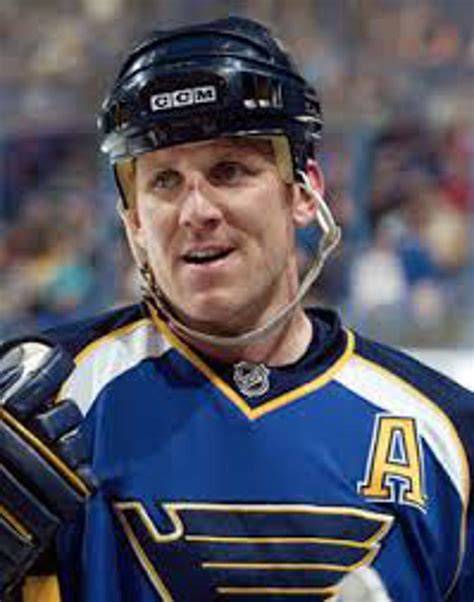
Then there is his son, Matthew Tkachuk, another Arizona-raised hockey prodigy who embodies everything casual sports fans love. He scores. He agitates. He fights. He talks. He embraces pressure. Like his father, Keith Tkachuk, before him, Matthew has redefined what a modern power forward can be. Whether representing his NHL club or wearing the colors of Team USA, he brings electricity to every game and never backs down from anyone lined up across the ice.
Those are the stories that grow the sport. Those are the personalities that fill arenas and drive television ratings. Hockey’s future won’t be built solely on defensive systems and low-event playoff hockey. It will be built on stars who make people stop what they’re doing and watch, wondering what incredible thing they might do next.
Are bold moves, like the one Vegas GM Kelly McCrimmon pulled off this year with unprecedented success, the new trend?

Meanwhile, a more fascinating development may be occurring behind the benches. Hockey’s old coaching fraternity has spent decades recycling the same names from city to city, often arriving with predictable systems and predictable results. If forward-thinking executives begin embracing experienced “hired guns” capable of rescuing struggling contenders late in the season, the league could see a new coaching marketplace emerge. Teams desperate to maximize championship windows may no longer have patience for stagnation.
Unfortunately, the style of hockey increasingly rewarded in the postseason remains a problem.
The NHL spent years mocking soccer’s low-scoring reputation, yet many playoff games have become defensive trench warfare where creativity is sacrificed for structure. Soccer recognized its entertainment challenges and evolved aspects of its presentation and attacking philosophy. Hockey continues to celebrate games where offensive stars spend sixty minutes fighting through neutral-zone traffic jams.
Nothing illustrates this better than elite teams becoming vulnerable when one superstar is unavailable. When a championship-caliber roster can suddenly become ordinary because a player like Cale Makar is absent, questions have to be asked about roster construction, coaching adaptability, and the overall product. Fans tune in to watch stars create magic, not systems designed to suffocate it.
If the NHL wants sustained growth, it must find a balance between rewarding defense and promoting excitement. Championships may be won through structure and discipline, but new fans are created through speed, skill, drama, and unforgettable moments. A future built on cautious, low-event hockey may win trophies, but it won’t necessarily win audiences.
About The Author