The endorsement, transparency questions, and polling behind New York’s gubernatorial debate. Divided public confidence brings an old New York question back into focus: When does familiarity with an incumbent become fatigue?
LUTHMANN NOTE: This examination follows the record from mutual endorsements to questions about governing practice, public communication, and voter confidence. Kathy Hochul’s stated reasons for supporting Zohran Mamdani belong alongside her policy disagreements and her response to disclosure questions. Mamdani owns the social media influencers he’s in bed with, most notably Hasan Piker, who said: “America deserved 9/11.” With elections looming, Piker has apologized for the statement, but the questions remain: Piker is arm in arm with Mamdani, who is arm in arm with a hijab-wearing Hochul. Voters deserve to know where she stands, but she has not been forthcoming with many answers, and New York voters are growing tired. The 1994 Cuomo-Pataki comparison adds historical context about voter fatigue. This piece is “Hochul’s Mamdani Alliance.”
By Richard Luthmann
Hochul Chose the Alliance
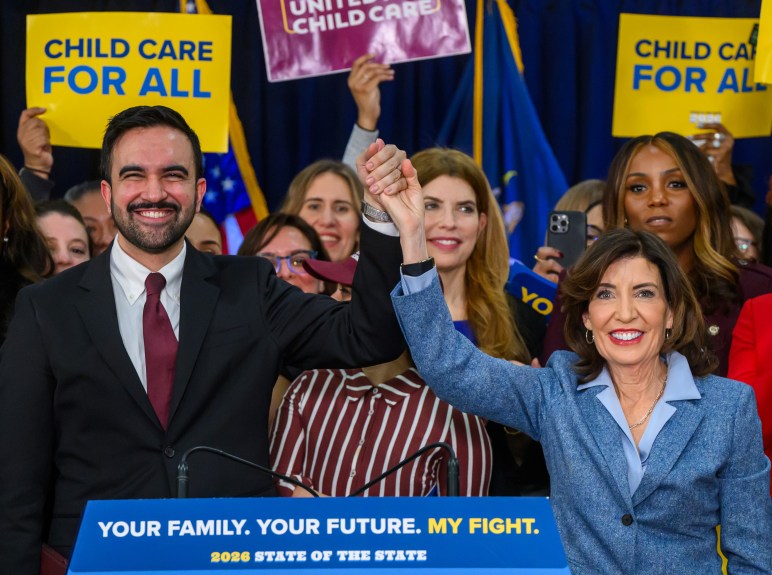
(NEW YORK, NY) – Kathy Hochul put her name behind Zohran Mamdani, and that decision is part of her record. On September 14, 2025, she endorsed the democratic socialist for mayor, invoking affordability, public safety, and his commitment to funding the NYPD. She acknowledged disagreements but made the endorsement anyway. Mamdani returned the favor in February, endorsing Hochul in her gubernatorial run.
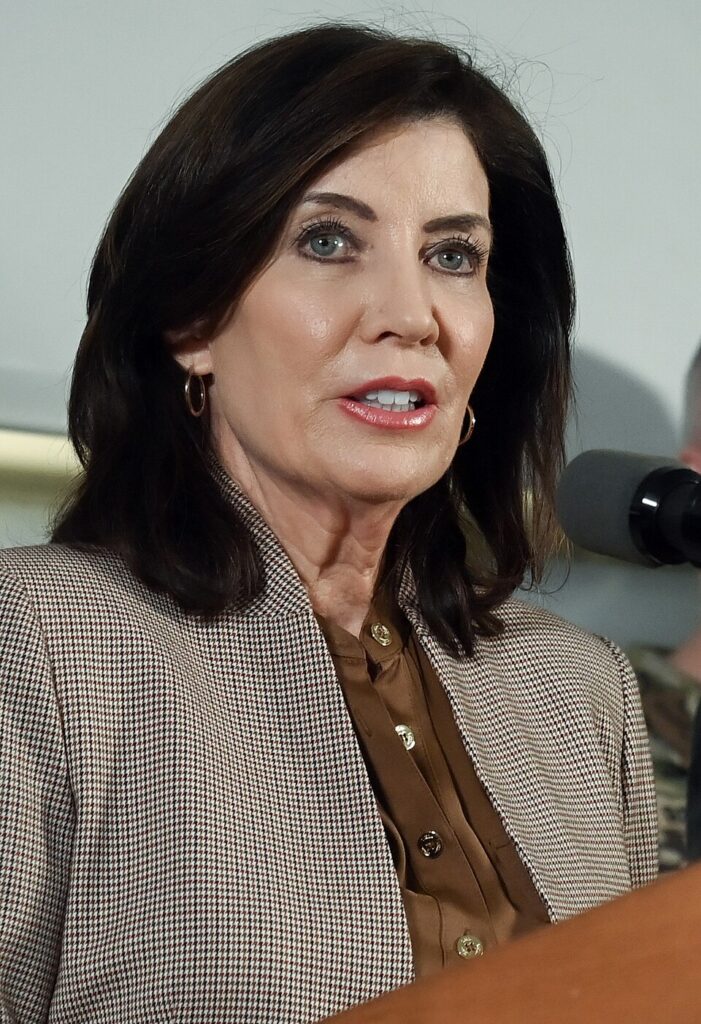
Mamdani’s political identity is clear: NYC-DSA identifies him as a movement leader, and his candidacy placed democratic socialism at the center of New York’s argument over government. Hochul chose to support him while maintaining that their differences could coexist with a working relationship.
The question is how much her alliance with Mamdani will cost her at the ballot box in November when she faces Nassau County Executive Bruce Blakeman.
Hochul’s choice to link arms with Mamdani deserves examination. The public’s view of Mamdani and the DSA is not stellar. Siena’s August survey found the organization at 30% favorable and 47% unfavorable. Democrats viewed it positively; Republicans and independents were predominantly unfavorable.
Those figures describe a divided electorate confronting an alliance between politicians with different ideological identities. They leave Hochul with a straightforward obligation to explain her own decisions: where she agrees with Mamdani, where she draws the line, and what their cooperation has accomplished.
Hochul’s Mamdani Alliance: The Questions Left Unanswered
The accountability issue became more immediate when Hochul faced questions about government relationships with social-media influencers. According to the New York Post’s account of the September 8 exchange, she offered no detailed position on disclosure requirements and said she was unfamiliar with relevant legislative proposals. The questions followed reporting about City Hall’s private communications network.
Her answer left the public without a clear statement of the standards she believes should govern those relationships.
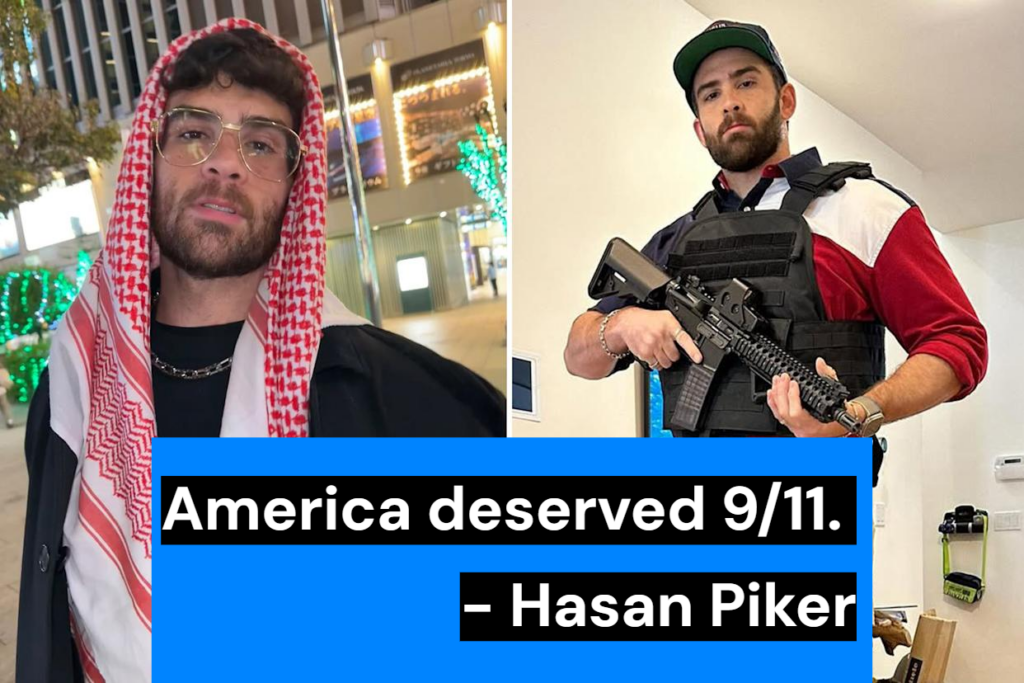
The questions themselves are concrete. Are outside creators compensated? Do their audiences know when a message has been coordinated with government? Which communications are official records, and how are they retained? These are ordinary requirements of public accountability applied to newer methods of communication. The technology may change, but the distinction between independent commentary and government-directed messaging remains consequential.
A governor can support another official’s objectives while insisting that the public understand how that official communicates and spends public resources.
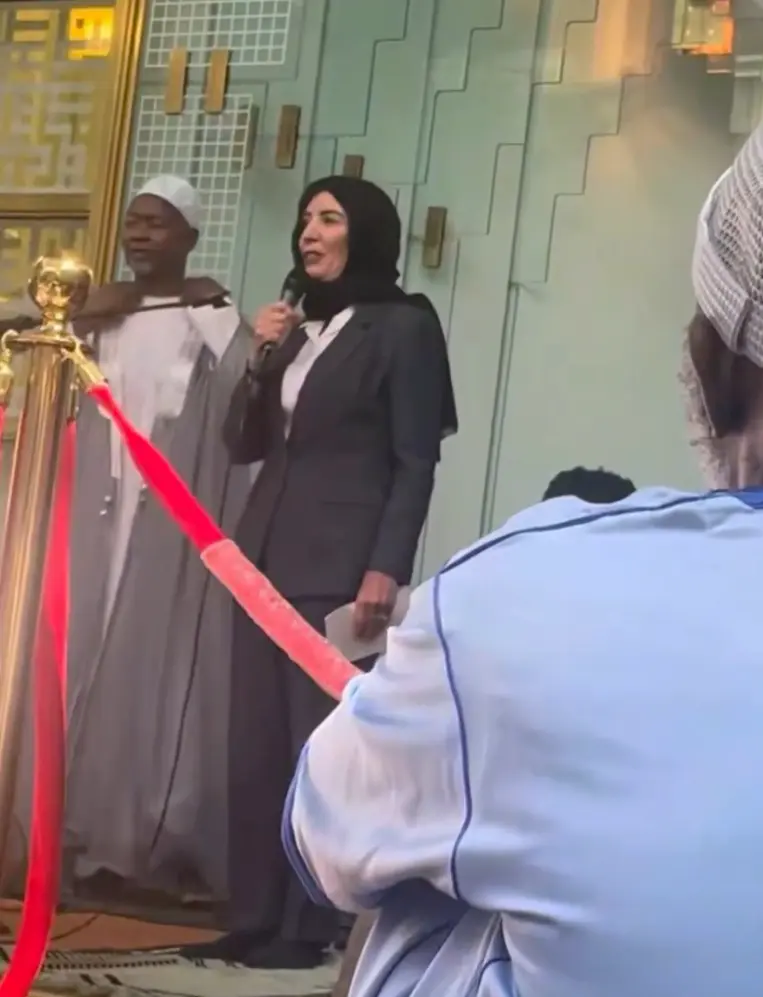
The headscarf controversy produced a louder exchange and a different dispute. Bruce Blakeman called Hochul’s appearance pandering; she defended the covering as respect for Islamic custom and condemned his criticism.
Religious observance supplies no answer to questions about taxation, transit funding, or disclosure. Hochul’s political relationship with Mamdani rests on her endorsement and governing choices, which provide a firmer basis for scrutiny than interpretations assigned to a photograph.
Hochul’s Mamdani Alliance: Confidence Beyond the Horse Race
The polling presents its own record of divided confidence. Siena’s August survey placed Hochul’s favorability at 46% positive and 49% negative, with job approval at 48% approval and 49% disapproval. Those results coexist with a less favorable assessment of her personal qualities: Blakeman received higher net ratings on every trait Siena tested.
The largest difference concerned toughness, where Blakeman registered plus 25 against Hochul’s plus two. On honesty, his plus five compared with her minus two; on getting things done, he scored plus eight against her plus five. A net score subtracts respondents who reject a description from those who accept it. These figures measure perceptions, and the differentials are not head-to-head voting margins.
A McLaughlin & Associates poll commissioned by Blakeman’s campaign reported a closer contest, 49.6%–45.7%. Conducted August 27–31 among 800 likely voters, it also found 56% favoring new leadership and 38% saying Hochul deserved reelection. The central question matters most: respondents were asked directly whether they wanted another term for the incumbent. Dissatisfaction is an issue in the statewide contest.
Hochul’s Mamdani Alliance: Cuomo’s 1994 Reckoning Provides Context
Mario Cuomo entered the 1994 election with nearly 12 years in the governor’s office. George Pataki entered it as a state senator from Peekskill with far less statewide recognition. Their campaign put Cuomo’s accumulated record against Pataki’s proposals for tax reductions, spending cuts, and restoration of the death penalty.
The contest centered on decisions that affected household finances and public safety, with Cuomo defending his tenure and Pataki offering a different direction. A Quinnipiac poll put Pataki 13–14 points behind Cuomo, less than a week before the election.
Pataki won 2,538,702 votes, approximately 48.8%, to Cuomo’s 2,364,904, approximately 45.5%. Tom Golisano received approximately 4.2%. The results reveal the geographic divide: Cuomo took about 70% of New York City’s vote, yet carried only Albany County outside the five boroughs. Pataki won Staten Island and amassed sufficient support elsewhere to overcome the city margin.
Contemporary reporting also identified light city turnout as a factor. Cuomo’s substantial base remained, but it no longer delivered a statewide victory.
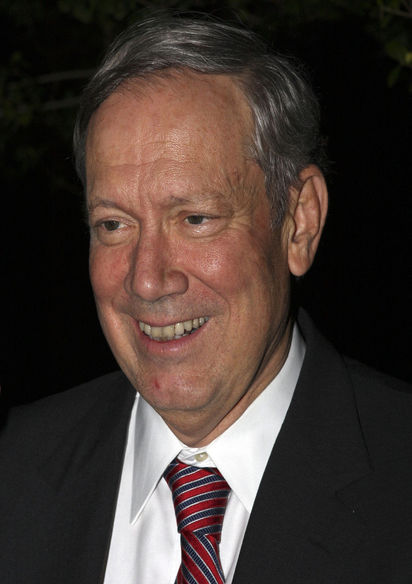
Today’s comparison concerns incumbency, regional divisions, and appetite for change. It requires recognizing the different circumstances: Cuomo was seeking a fourth term, the country was experiencing a Republican electoral wave, and Golisano offered an independent alternative. Hochul assumed office in 2021 and won election in 2022. The present leadership poll records dissatisfaction but does not isolate its causes or establish that the Mamdani endorsement produced it.
The value of looking back is to examine how voters judge an established governor’s record. Hochul’s endorsement, policy disagreements, and unanswered disclosure questions are decisions and responses the public can assess. Her explanation of that record should be equally concrete: what the Mamdani alliance has delivered, what she has refused, and what standards of transparency she will defend.
Hochul’s answers belong in the public record alongside the endorsements and the polling.
Related posts:
KAMILLAH HANKS IN CRISIS
Luthmann Said It First: Epstein Was a Spook, and the Deep State Buried the Truth
WE WANT OUT: TABACCO CALLS FOR NEW JERSEY TO ANNEX STATEN ISLAND
Cross Examining the Judge: Will Luthmann Make Ron Castorina Soil His Trousers?
Luthmann Declares Media War on McMahon and Allies
Bruce Blakeman Trumps Ed Cox
About The Author

Leave a Reply