

Ottawa insults America at the Gordie Howe Bridge—then discovers Trump controls the rink
LUTHMANN NOTE: Canada’s ruling class wants the privileges of American partnership without the discipline of American reciprocity. It wants U.S. consumers, U.S. pipelines, U.S. investment, U.S. military protection and unrestricted entry into the world’s richest market—then throws a tantrum when President Donald Trump puts American workers first. The Gordie Howe Bridge ceremony exposed the fraud. Canada celebrated a bridge to Detroit while excluding Detroit. It invoked Mr. Hockey while insulting the city that made him immortal. Gordie Howe knew how to respond when an opponent crossed the line: score, assist, and drop the gloves. America should do the same. This piece is “Canada Drops the Gloves.”
By Matt “Sully” Sullivan and Dick LaFontaine
Canada’s political class has spent the current trade confrontation whining, posturing and demanding deference from the United States while refusing to confront the basic reality beneath the relationship: America holds the cards.
Ottawa and the provinces speak as though Canada and the United States arrive at the bargaining table as economic equals, each possessing comparable leverage and each equally capable of walking away. They do not.
One is the world’s dominant economic and military power, the center of the North American market and the primary guarantor of continental security. The other built much of its modern prosperity around privileged access to that power’s consumers, infrastructure, capital and financial system.
Canada may be a sovereign nation, but sovereignty does not erase dependency, and patriotic speeches do not repeal arithmetic.
The United States is Canada’s indispensable customer, investment engine, transportation corridor and continental shield. Canada is useful to America in energy, automobiles, minerals, agriculture and defense, but America is essential to Canada on an entirely different scale.
Canadian politicians can call that arrogant. They can call it bullying. They can wrap themselves in maple leaves, summon the cameras and perform wounded nationalism for television audiences. None of that changes the underlying imbalance.
The arithmetic remains undefeated, and no amount of anti-Trump theatrics can disguise the fact that Canada’s economic model depends heavily on access to the American marketplace.
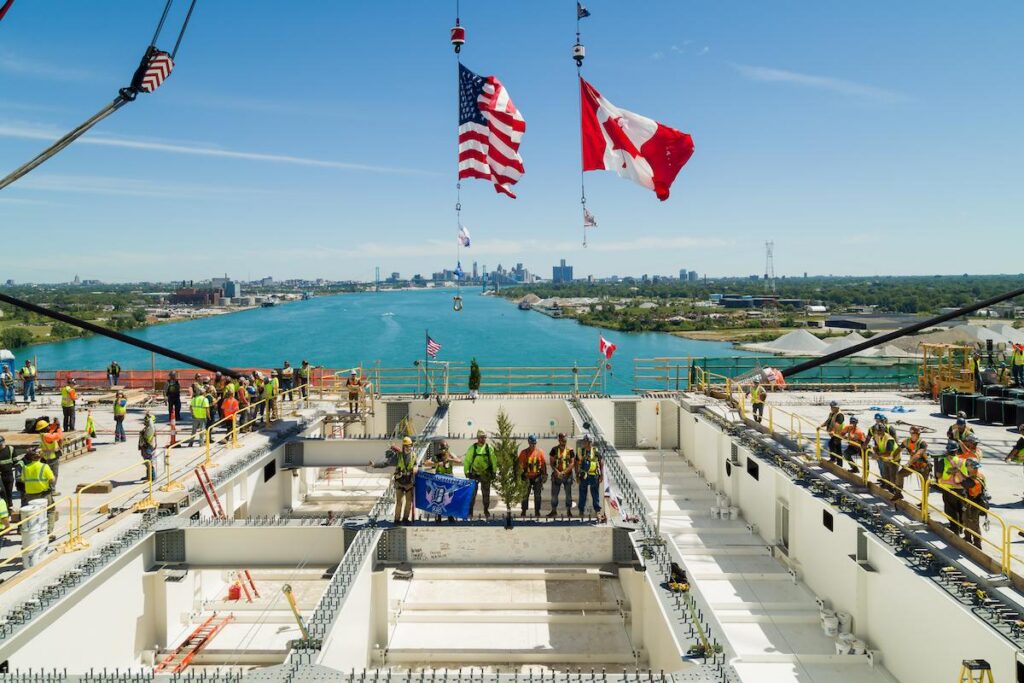
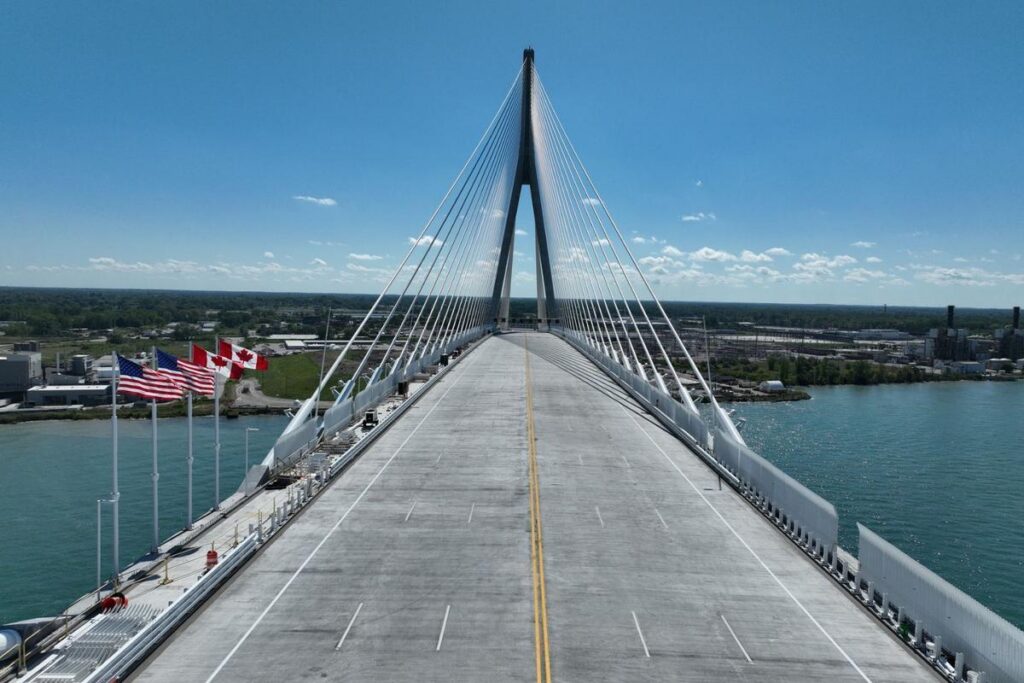
That is why the opening of the Gordie Howe International Bridge became such a perfect monument to Canadian hypocrisy. The bridge connects Windsor, Ontario, with Detroit, Michigan. It was built to accelerate commerce with America, named for a Canadian who became immortal in an American city and justified economically by the enormous market waiting on the Detroit side.
Yet Canadian officials transformed its opening into another exercise in anti-Trump grievance theater. It was built through cooperation, opened with resentment and named for a man who would have had no patience for crybabies.
Canada Drops the Gloves: Canada’s Provincial Temper Tantrum
Canadian governments have not simply objected to American tariffs. They have embraced retaliatory barriers, stripped American products from government-controlled shelves and promoted procurement schemes designed to punish
U.S. businesses. Provincial liquor authorities pulled American wine, beer and spirits. Politicians promoted “Buy Canadian” mandates. Ottawa imposed retaliatory tariffs on American goods. Canadian officials then portrayed their own restrictions as noble acts of patriotic resistance while condemning comparable American measures as economic aggression.
That is not principled free trade. It is Canadian entitlement dressed up as national courage.

For decades, Canada’s political establishment grew comfortable with an arrangement in which American consumers absorbed Canadian exports, American capital supported Canadian industries and American power maintained the security architecture protecting both countries.
The arrangement worked so long as Washington accepted every imbalance, overlooked every restriction and treated Canadian access to the U.S. market as untouchable. Canadian officials learned that they could protect domestic industries, regulate American products, manipulate provincial purchasing systems and still expect Washington to preserve the broader relationship at almost any cost.
That was not a partnership of equals. It was a habit of American accommodation.
Donald Trump changed the terms. President Trump’s MAGA agenda begins with a proposition so simple that the permanent political class pretends not to understand it: the American government should put American workers, manufacturers, farmers and taxpayers first.
Trade policy is not supposed to be a global charity program administered by Washington on behalf of foreign governments. It is supposed to advance the prosperity, security and bargaining power of the American people.
That means trade must be reciprocal. Foreign governments do not get unlimited access to the American market while restricting American goods at home. Allies do not get to build industries around U.S. demand and then lecture Washington when the president finally demands a fair deal.
Canada cannot obstruct American automobiles, alcohol, agricultural products and other goods, then collapse into hysterics when America answers. Reciprocity is not aggression. It is what happens when the adult in the room finally stops subsidizing the tantrum.
More than 70% of Canada’s merchandise exports go to the United States. Canadian factories, farms, mines, pipelines, railroads and ports are structured around the American market. Ottawa may fantasize about replacing America with Europe or Asia, but dreams do not move cargo, and speeches do not relocate geography. Europe is across the Atlantic. Asia is across the Pacific.
America is across the street, and that fact defines the relationship more powerfully than every press conference held in Ottawa.
Canada Drops the Gloves: Mr. Hockey—and Mr. Detroit
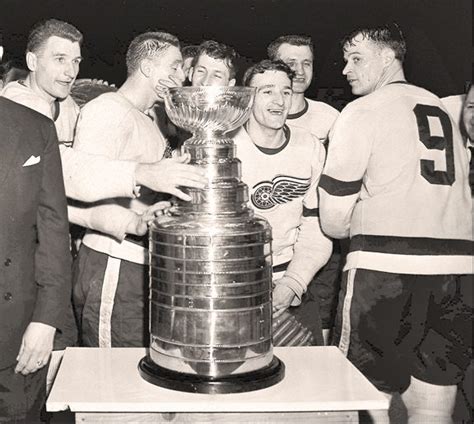
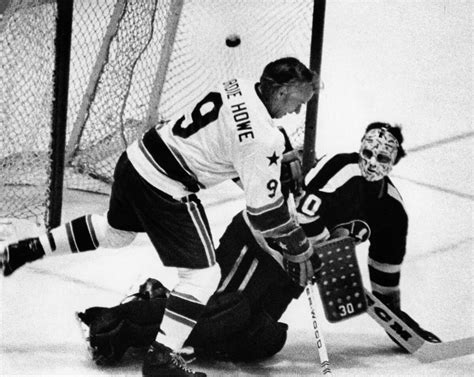
The symbolism of the Gordie Howe International Bridge is almost too perfect. Gordie Howe was born in Saskatchewan, but he became “Mr. Hockey” in Detroit. He spent his first 25 NHL seasons wearing the winged wheel of the Detroit Red Wings. He scored 801 regular-season NHL goals, won four Stanley Cups and became one of the toughest, most respected and most complete athletes in professional sports.
Howe was Canadian by birth and Detroit by destiny, a man whose career embodied what the cross-border relationship could produce when talent, opportunity, grit and loyalty worked together.
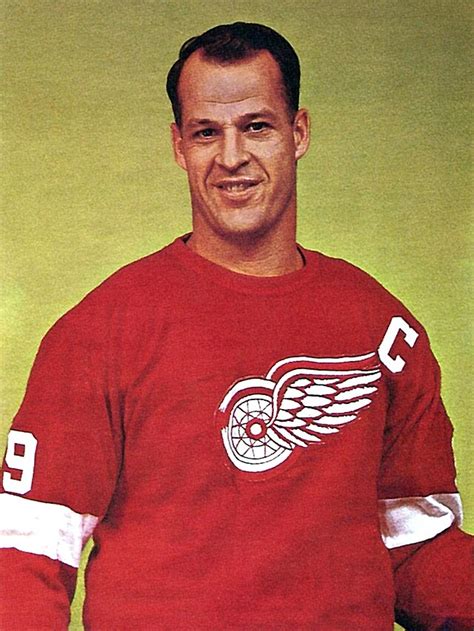
His name belongs on a bridge joining Windsor and Detroit because his life represented the relationship at its best: Canadian talent meeting American opportunity and producing something larger than either side could have created alone.
Howe did not diminish Canada by becoming a Detroit legend, and Detroit did not erase his Canadian roots by embracing him as one of its own. He became a symbol of both countries precisely because he understood strength, loyalty and mutual respect.
Canadian officials dishonored that spirit by turning the bridge’s opening into a political snub. A joint celebration had been planned. After the Trump administration announced new tariffs, Canada canceled the arrangement and staged its own ceremony without American or Michigan officials.
Canada celebrated alone on an international bridge, standing across the river from Detroit while opening a trade artery whose entire purpose is to carry Canadian goods, workers and commerce into the United States.
The absurdity is breathtaking. Canada financed the approximately C$6.4 billion project, and Canadian taxpayers may rightly take pride in that investment. But the bridge has value because America is on the other side. Without Detroit, the structure would be a very expensive pier extending toward the world’s largest consumer market.
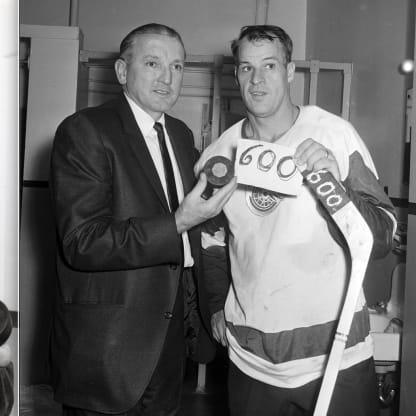
Canadian officials invoked Gordie Howe while excluding representatives of the city that made him a legend. That was not strength. It was smallness. It was not sovereignty. It was spite.
The ceremony did not embarrass Donald Trump. It embarrassed Canada.
Canada Drops the Gloves: America Should Control the Terms
The United States should not respond with more symbolism. It should respond with leverage. America should use every lawful economic tool available to enforce reciprocal market access and make clear that Canadian access to the U.S. economy is not an entitlement. It is a privilege governed by agreements, obligations and the continuing consent of the American people.
Washington should challenge discriminatory provincial liquor systems, demand equal treatment for American automobiles and agricultural products, scrutinize Canadian subsidies and impose targeted tariffs wherever Canadian officials refuse to negotiate fairly.
There should be no more automatic exemptions, no more diplomatic babysitting and no more sacrificing American industries to preserve the feelings of Canadian politicians. The purpose of American trade policy is not to keep Ottawa comfortable. It is to defend American prosperity.
If Canadian leaders want to wage a symbolic economic war through liquor shelves, procurement rules and political speeches, they should understand that the United States possesses vastly more economic firepower and is fully entitled to use it.
Canada’s exposure is enormous. Windsor depends on cross-border automotive trade. Canadian oil and gas producers depend on American pipelines, refineries and customers. Canadian lumber, minerals, farm products and manufactured goods enter the United States on a scale no alternative market can quickly replace.
Canada needs the American marketplace, and that reality should shape every negotiation, tariff schedule and diplomatic exchange.
For too long, Washington behaved as though Canadian dependence created an American responsibility to preserve Canada’s preferred economic arrangements. It does not. The United States government owes duties to the American people, not to Canadian premiers, provincial liquor monopolies, Ottawa bureaucrats or multinational corporations that profit from one-sided trade.
America First means exactly that: the American government no longer apologizes for using American power in defense of American interests.
The strongest nation does not need to scream, bluff or sabotage its own infrastructure. It simply sets the terms and enforces them. Canada may complain. Canada may retaliate. Canada may stage another ceremony and invite nobody but itself.
Then Canada can look south and remember where its customers are, where its largest market remains and which country still possesses the decisive leverage.
The Gordie Howe Hat Trick
A Gordie Howe hat trick consists of a goal, an assist and a fight. That is exactly what American trade policy now requires.
The goal is full reciprocity. The assist goes to American workers, manufacturers, farmers, energy producers and exporters who spent decades competing against foreign governments while their own leaders apologized for defending them.
The fight is against every politician, lobbyist, bureaucrat and multinational interest that grew rich from managed American decline.
Donald Trump understands what Canada’s leadership refuses to accept: respect does not come from surrender. It comes from strength. Canada is sovereign. It can remove American products from its shelves, promote protectionist purchasing policies and stage anti-American political spectacles.
But sovereignty works both ways. The United States is equally sovereign, and it can restrict access, revoke exemptions, impose tariffs and force Canada to decide how much its theatrics are worth.
Partnership does not mean America plays the sucker. Friendship does not mean permanent concessions. Good neighbors do not demand access to your house while blocking your products at the door. For too long, the American ruling class confused politeness with policy and restraint with weakness.
MAGA rejects that confusion. It recognizes that alliances survive not because one side endlessly submits, but because both sides understand the cost of disrespect.
The Gordie Howe International Bridge should stand as a monument to continental commerce, shared prosperity and the possibilities created when two neighboring nations work together. Instead, its opening exposed the weakness, insecurity and pettiness of Canada’s political leadership. Canada celebrated the gateway while insulting the destination. That is the bridge of irony.
Gordie Howe understood how respect was earned. He could score. He could create opportunities for his teammates. And when an opponent crossed the line, he could drop the gloves and settle the matter. America should follow his example.
Score the goal. Make the assist. Then give Canada the Gordie Howe hat trick.
About The Author

Leave a Reply