


Bueller? Bueller? Bednar?
LUTHMANN NOTE: This is what playoff hockey does. It strips away branding, excuses, and regular-season mythology. Without Cale Makar, the Colorado Avalanche are not merely missing a superstar. They are missing a command. They are missing emotional architecture. They are missing the quiet force that tells a bench, “We are still in this.” Jared Bednar has a Stanley Cup on his résumé, and that matters. But the hard question now matters more: is he still leading this team, or has Makar been doing the real leadership work in skates? If Colorado folds when Makar sits, the problem is bigger than an injury. This piece is “Bednar Must Go.”
By Matt “Sully” Sullivan
(DENVER, COLORADO) – The silence around the bench says everything.
Without Cale Makar on the ice, the Colorado Avalanche suddenly looks less like a Stanley Cup contender and more like a talented group searching for direction in the middle of a storm. Passes became hesitant. Defensive rotations lost structure. The emotional edge that once defined Colorado hockey has disappeared shift by shift, exposing a truth the organization may no longer be able to ignore heading into the offseason.

This team desperately misses leadership.
Not just elite talent. Leadership.

For years, Jared Bednar has benefited from one of hockey’s deepest rosters — superstars capable of masking stretches of flat preparation and emotional inconsistency. But with Makar absent, the Avalanche no longer had the on-ice compass that quietly carried the franchise through difficult moments. What remained was a bench that looked reactive instead of commanding, emotional instead of composed.
Makar’s absence revealed how much of Colorado’s identity actually lives within the players themselves — especially him.
The young defenseman has never been the loudest player in the league, but leadership in hockey has never belonged exclusively to the loud. The greatest leaders control the emotional temperature of a game. They settle panic. They create belief. They demand accountability simply through their presence.
That is what Makar does for Colorado.
And in his absence, the Avalanche looked leaderless.
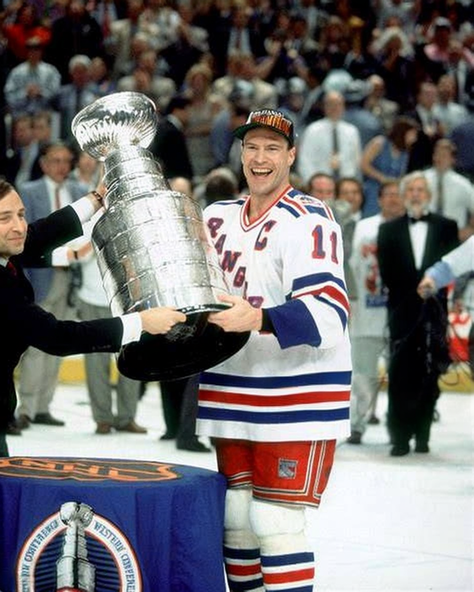
It became impossible not to think of Mark Messier watching Colorado drift through critical moments without urgency or structure. Messier’s greatness was never only about points or championships. It was about force of will. Teams followed him because his presence made chaos feel manageable. He could drag teammates emotionally into battle when systems failed or momentum vanished.
Makar brings a modern version of that same quality.
He stabilizes the Avalanche when games become dangerous. His skating changes the rhythm of the ice. His confidence spreads through the bench. When he jumps over the boards, teammates believe the game can still be controlled. Without him, Colorado appeared emotionally fragile — a shocking reality for a team built to contend for championships every season.
That raises an uncomfortable offseason question for management.
If one missing player completely strips away the emotional identity of a Stanley Cup contender, where exactly is the leadership coming from behind the bench?
The answer lately appears to be nowhere.
Bednar deserves credit for helping guide Colorado to a championship, but dynasties in hockey are sustained by evolution, emotional accountability, and the ability to reawaken a team when adversity hits. This postseason instead exposed a roster that too often looked disconnected, passive, and mentally exhausted the moment momentum turned against them.
Great coaches impose belief during a crisis.
The Avalanche instead looked like they were waiting for Makar to rescue them.
That cannot happen to a franchise with this much talent.

Nathan MacKinnon’s fire remains elite. The skill throughout the lineup is undeniable. But leadership is more than intensity. Championship teams require emotional structure, especially during playoff adversity. Without Makar, Colorado looked like a talented roster searching for a voice.
That reality may ultimately force management to consider whether a new message is needed.
Because what made this collapse so glaring was not simply losing a superstar defenseman. Teams survive injuries every spring. Champions adapt. Contenders respond. Colorado instead appeared hollowed out emotionally, exposing how dependent the franchise has become on one player’s internal leadership.
Makar does not yet wear the legendary aura of Messier. Few players ever will. But his absence revealed something rare: he is not merely Colorado’s best player. He may already be the soul of the organization.
And when the soul disappeared, so did the Avalanche’s identity.
That is not just an injury problem.
That is a leadership problem.
About The Author